
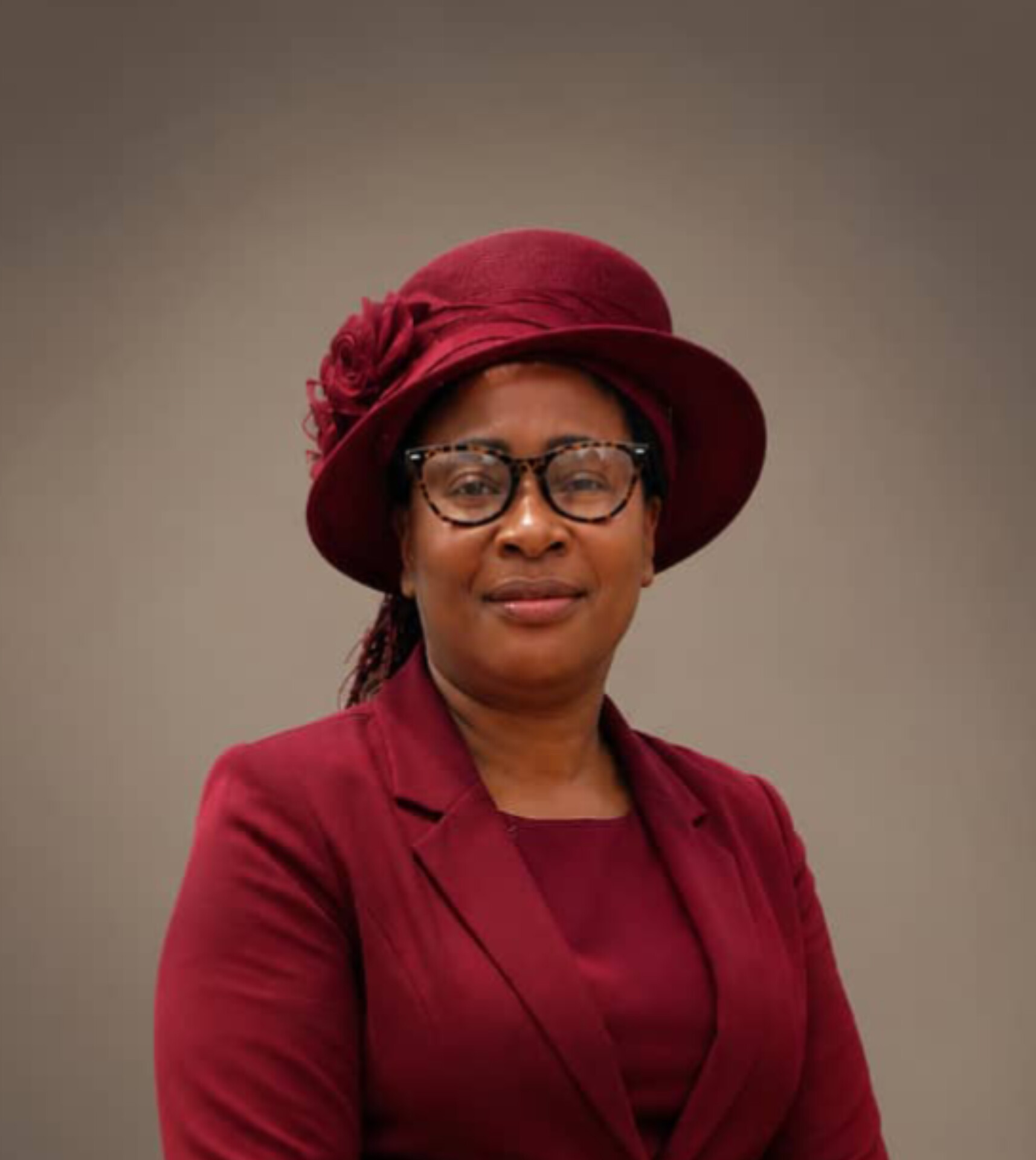

Evangelist (Mrs.) Beauty Nnebuihe Chigozie, Youth Minister of the Seventh-day Adventist Church (SDA), Abuja City Centre, has raised the alarm over what she described as the growing moral, emotional and spiritual crisis confronting Nigerian youths, urging churches to move beyond conventional worship and deliberately equip young people to withstand the pressures of an increasingly complex world.
She warned that unchecked social media influence, peer pressure, identity confusion, broken values and uncertainty about the future are leaving many young people vulnerable, insisting that faith-based mentorship has become more critical than ever.
Speaking in an interview, Beauty said the church must reclaim its role as a place where young people find direction, purpose and hope, rather than merely a venue for weekly worship.

“Young people are passing through one of the most defining periods of their lives,” she said. “They need more than sermons; they need mentors, role models and a safe environment where they can grow spiritually, develop strong character and discover their God-given purpose.”

She explained that her ministry extends beyond organising youth programmes to mentoring young people, leading Bible studies, coordinating outreach initiatives, supporting youth leaders and partnering with parents and church leadership to nurture responsible future leaders.
According to her, many young people are silently battling issues ranging from identity struggles and relationship pressures to academic stress, career uncertainty and the overwhelming influence of digital culture.
“The church must intentionally listen to young people, understand their realities and provide practical biblical guidance that addresses the issues they face every day,” she said.
Beauty also stressed that safeguarding children and young people must remain non-negotiable in every church, insisting that spiritual leadership carries an obligation to protect the vulnerable.
“Every young person deserves dignity, respect and protection. Churches must maintain professional boundaries, follow safeguarding procedures and ensure that concerns are addressed responsibly and promptly,” she stated.
Reflecting on her leadership journey, she dismissed the notion that leadership is about titles or authority, describing it instead as a sacred responsibility anchored on humility, discipline, accountability and service.
“Leadership is measured by the lives you help transform, not by the position you occupy,” she said.
She further challenged churches to embrace innovation without compromising biblical principles, noting that technology and modern communication platforms should be used to engage young people while preserving the core values of the Christian faith.
Expressing optimism about the next generation, Chigozie said her vision is to raise confident, spiritually grounded and purpose-driven youths who will emerge as responsible leaders in the church, their communities and the nation.
She urged young people to remain steadfast in their faith, pursue education with diligence and never allow temporary challenges to define their future.
“They are not merely the leaders of tomorrow,” she said. “They are leaders today. When we intentionally invest in them, we build stronger families, stronger churches and a better society.”
Calling on church leaders, parents and communities to work together, Chigozie said the future of the nation would be shaped by the values instilled in today’s youth, warning that neglecting them would have far-reaching consequences for both the church and society.