
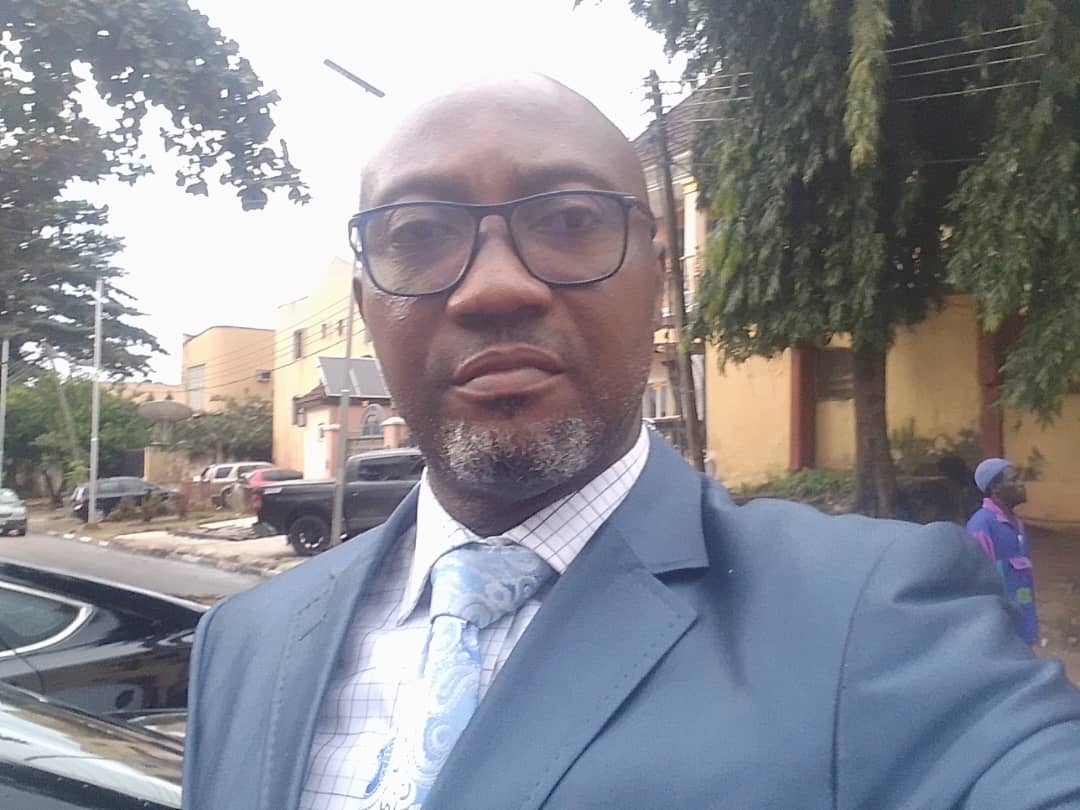
 George Humphrey


Public Affairs Analyst, George Humphrey, has delivered a scathing assessment of Nigeria’s political system, declaring that the nation’s democracy is increasingly being hijacked by wealthy political actors while competence, integrity and visionary leadership are pushed to the margins.
In a statement issued in Abuja, Humphrey warned that money has become the most powerful currency in Nigerian politics, eclipsing merit and transforming elections into contests of financial muscle rather than ideas and public service.
According to him, political parties have gradually abandoned the principles of meritocracy and competence, replacing them with a system where access to power is often determined by the size of one’s bank account.
“Nigerian politics is increasingly becoming a contest of financial power rather than a competition of ideas, competence and vision. In many cases, qualifications, credentials, experience and capacity to lead are pushed aside, while money becomes the determining factor,” he said.
Humphrey lamented that the growing influence of money has turned politics into an exclusive club for the wealthy, shutting out capable Nigerians and discouraging citizens with genuine aspirations to serve from seeking public office.
He argued that the trend has deepened public distrust in democratic institutions and left many young Nigerians convinced that leadership positions are reserved for those with financial war chests rather than proven competence.
“The unfortunate reality is that many citizens now view politics as an investment rather than a platform for service. This perception has fueled unhealthy competition, desperation and excessive spending during elections and party activities,” he stated.
The analyst warned that the monetisation of politics is producing leaders who see public office as a means of recovering political investments instead of delivering good governance, a development he said continues to undermine national progress.
He further noted that Nigeria’s image has suffered globally as the country’s political environment becomes increasingly associated with desperation for power, vote-buying, godfatherism and the overwhelming influence of money.
“It is painful that when the world looks at Nigeria, it often sees a political system characterized by desperation, excessive influence of money and personal interests rather than genuine commitment to national development. This should concern every patriotic Nigerian,” Humphrey said.
He stressed that no nation can achieve sustainable development when competence is consistently sacrificed on the altar of wealth and political patronage.
Calling for urgent reforms, Humphrey urged political parties, electoral stakeholders, civil society groups and Nigerians to resist the growing culture of money politics and restore credibility to the democratic process.
“Nigeria cannot achieve its full potential if competence continues to be sacrificed for financial influence. Our democracy must reward integrity, capacity and service. Until merit becomes the foundation of political leadership, the nation’s development aspirations will remain difficult to attain,” he added.
He warned that unless decisive steps are taken to curb the influence of money in politics, Nigeria risks entrenching a system where power belongs not to the most qualified, but to the highest bidder.