


By Sam Agogo
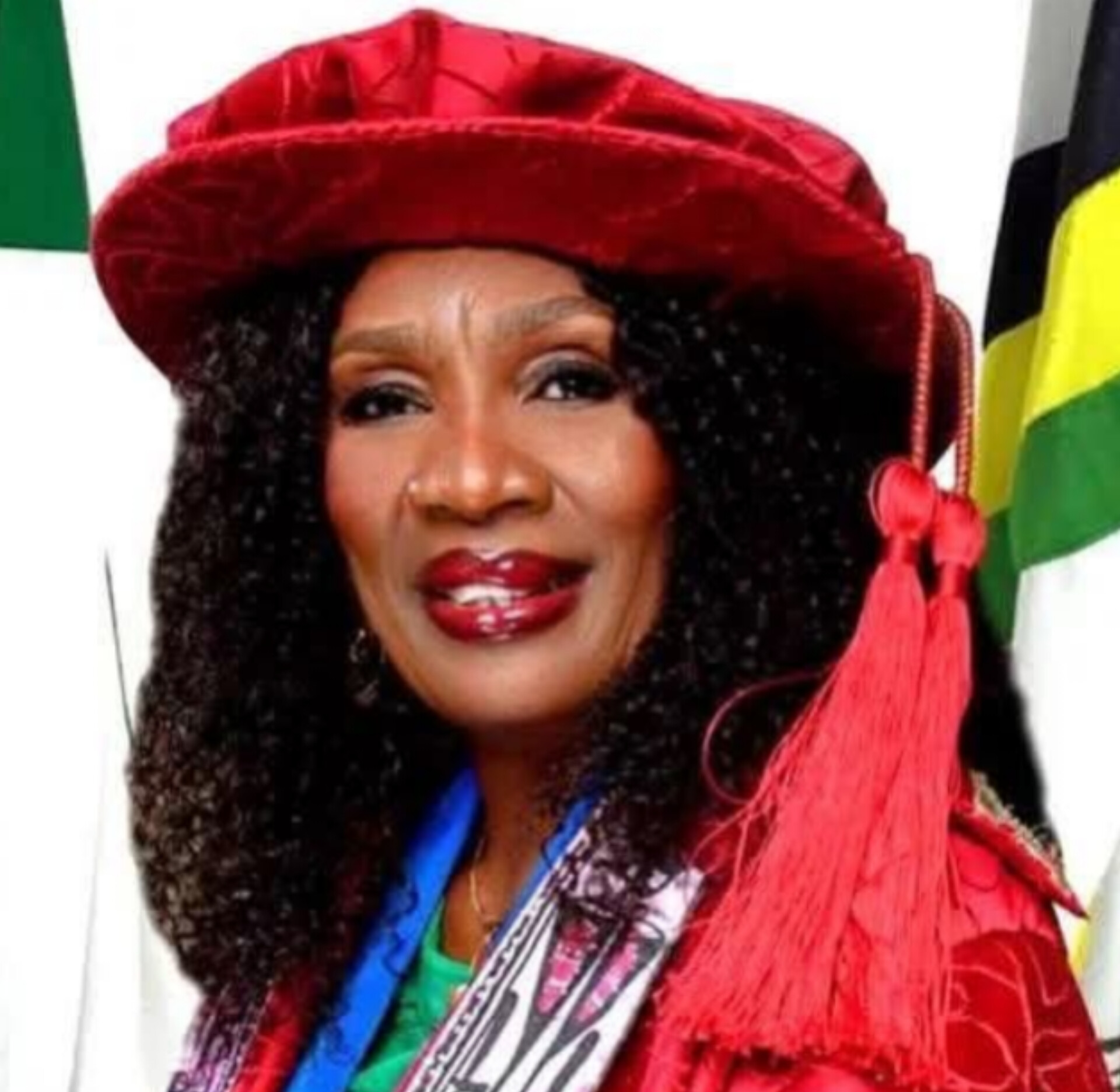
On March 22, Nigerians once again celebrated Professor Nnenna Oti, Vice-Chancellor of the Federal University of Technology, Owerri (FUTO), for her defining role in safeguarding democracy during the 2023 Abia State governorship election. Three years later, her name continues to stand as a symbol of courage, integrity, and principle over corruption.
As Returning Officer for the Independent National Electoral Commission (INEC), she found herself at the centre of intense political pressure. Reports indicated that desperate political actors attempted to influence the process through intimidation, threats, and huge financial inducements—running into millions, and even billions, alongside promises of luxury properties at home and abroad. Yet she refused to yield, insisting that the people’s votes must count.
Her declaration—“If I perish, I perish. The pastor and the mother in me will not allow me to do anything that will harm the future of our children”—became a rallying cry for electoral integrity and a rare reminder that democracy survives only when individuals choose principle over profit.
Her stance was not accidental. It was the product of decades of academic discipline and sacrifice. After over 20 years of rising to professorial rank, she understood the value of reputation and the weight of integrity. Rather than succumb to pressure, she insisted on the use of the Bi-modal Voter Accreditation System (BVAS), helping to expose inflated figures and correct what many described as “magical votes.” Her actions contributed to the emergence of Dr. Alex Otti of the Labour Party as governor of Abia State, reshaping the state’s political direction and restoring public confidence in the electoral process.
For her courage, she received the Woman of the Year Leadership Excellence Award in 2023. Governor Alex Otti also publicly acknowledged her role in protecting the mandate of the people. Across Nigeria, she is widely described as a fearless Amazon whose integrity altered the course of an election and strengthened democratic trust.
Yet beyond celebration lies a deeper warning. As Nigeria approaches another electoral cycle, the question confronting returning officers and electoral officials is stark: will integrity withstand pressure when tested again? Will financial inducements or threats outweigh decades of reputation-building?
No amount of money, property, or political favour is worth the destruction of personal honour. Integrity, once compromised, is difficult to restore; once protected, it becomes legacy.
Society, too, must rethink its values. It is counterproductive to reward electoral misconduct with honours, titles, or public recognition. Doing so weakens accountability and normalises corruption. Instead, Nigeria must elevate those who defend democracy even at personal cost.
Prof. Oti’s story is therefore not only one of celebration but of national warning. Electoral officers hold the fragile trust of the nation in their hands. They can either become symbols of integrity like her—or cautionary tales of compromise.
History, in the end, remembers not the offers one refused or accepted, but the principles one chose to defend.