

In a political climate where disagreements often harden into enduring personal feuds, a brief birthday message has sparked an unexpectedly profound national conversation about civility, forgiveness and the character expected of public leaders.
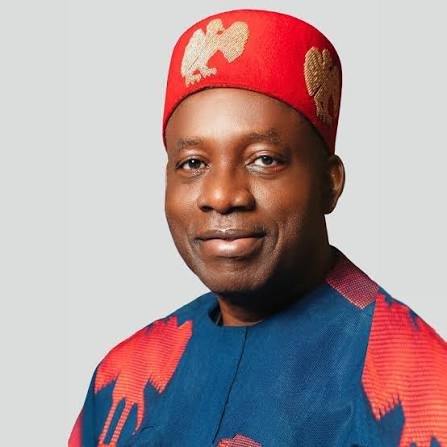
Former Labour Party presidential candidate Peter Obi on Tuesday publicly congratulated the Governor of Anambra State, Prof. Charles Chukwuma Soludo, on his birthday, wishing him good health, wisdom and God’s continued guidance in office.
On the surface, it was an ordinary expression of goodwill. Yet its timing transformed it into something far more significant.

Only days earlier, Obi had marked his own birthday without a public congratulatory message from Soludo—a silence that had not gone unnoticed by supporters of the former Anambra governor, given the strained political relationship between the two men.
Rather than dwell on the omission, Obi responded with courtesy.
“I warmly congratulate the Governor of Anambra State, Professor Charles Chukwuma Soludo, on the occasion of his birthday,” he wrote, praying that the governor’s new year would bring peace, fulfilment and abundant blessings.
Within hours, social media platforms were awash with reactions, many interpreting the message not merely as a birthday greeting but as a demonstration of restraint in an era when political rivalries are increasingly personalised.
One X user, @Shadowwwalker1 (Temitope), captured the mood of many admirers.
“You no even get time to keep malice with anyone. Whether they wish you good or not, you are always a good person. A politician who conquered greed to the point that others are angry that you are above greed.
“You don’t even care if they throw shit at you, you still find a way to wish them well. God bless your Excellency @PeterObi.”
Another commentator, Meg Eboma, suggested that Obi may simply have risen above the issue.
“He may not have taken notice that Soludo didn’t wish him birthday greetings.”
Not everyone agreed with the criticism directed at Soludo. Some observers argued that birthday messages are matters of personal discretion and should not be elevated into political tests or obligations.
Yet the intensity of the reactions revealed something deeper than a debate over social etiquette.
For many Nigerians, the episode became symbolic of a broader yearning for a political culture in which fierce ideological contest does not extinguish courtesy, and where opponents can disagree without surrendering the basic virtues of respect and decency.
Obi and Soludo, both former governors of Anambra State and once regarded as political allies, have in recent years found themselves on different sides of Nigeria’s evolving political landscape. Their disagreements have often attracted national attention, making every public interaction between them a subject of scrutiny.
Against that backdrop, Obi’s message was interpreted by many not simply as a birthday greeting, but as an affirmation that public life need not be governed by resentment.
Whether that interpretation is entirely justified or not, the reaction underscores the high expectations Nigerians increasingly place on their leaders—not only to compete for power, but also to model the values that can temper the nation’s deeply polarised political discourse.
In the end, what began as a few lines of birthday wishes became something more enduring: a public conversation about whether grace, even in politics, still has a place.