
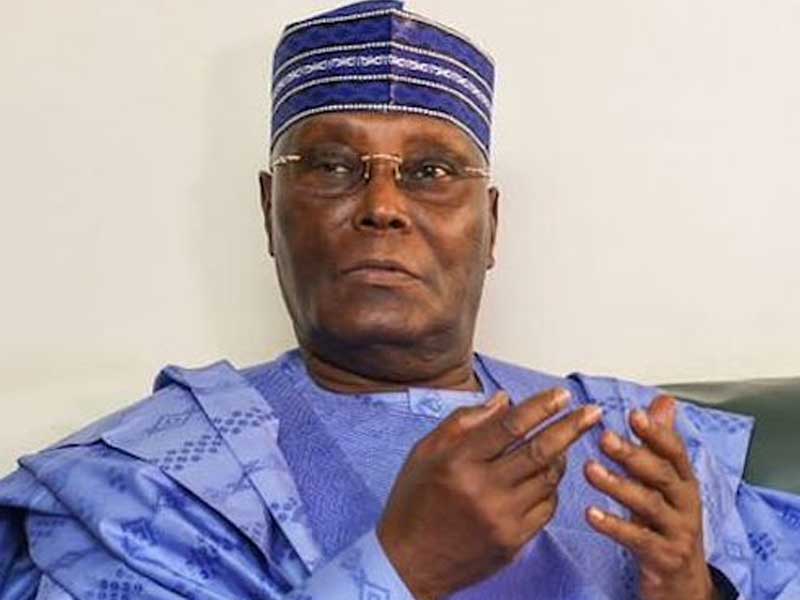


Nigeria’s rising debt burden has translated into a notional debt share of **N716,822 for every citizen**, former Vice President and African Democratic Congress presidential candidate, Atiku Abubakar, has said.
Atiku disclosed the figure on Monday through a statement by his spokesperson, Phrank Shaibu, while reacting to Nigeria’s latest debt profile and the Federal Government’s reported plan to secure a fresh $1.5bn World Bank financing.
The Debt Management Office put Nigeria’s total public debt at **N166.79tn as of June 2026**.

According to Atiku, the implied per-capita debt has risen sharply from **N383,442 three years ago to N716,822**, representing an 87 per cent increase.
He said the figures raised questions about the sustainability of the government’s borrowing strategy, particularly as Nigerians continue to contend with rising living costs.
“If Nigeria’s public debt were divided among everyone, each person’s share would be N716,822 today. Three years ago, it was N383,442. That is an 87 per cent increase,” Atiku said.

He added that the rising debt burden was coming at a time when many families were struggling to meet the cost of food, fuel and electricity.
Atiku described the development as a reflection of what he called poor economic stewardship under the President Bola Tinubu administration.
“Tinubu has made today difficult and tomorrow more uncertain,” he said.
The former vice president’s comments came as the Federal Government seeks additional World Bank financing.
The proposed **$1.5bn facility**, according to World Bank documents, comprises three separate $500m International Development Association credits targeting social protection, early childhood development and climate resilience.
The proposed borrowing would add to Nigeria’s existing obligations to the World Bank Group, which stood at **$20.73bn as of June 2026**.
Atiku’s intervention has therefore put the latest borrowing proposal in the wider context of Nigeria’s rapidly expanding debt stock and the question of how effectively new loans are being converted into measurable improvements in citizens’ welfare.