 PeterObi

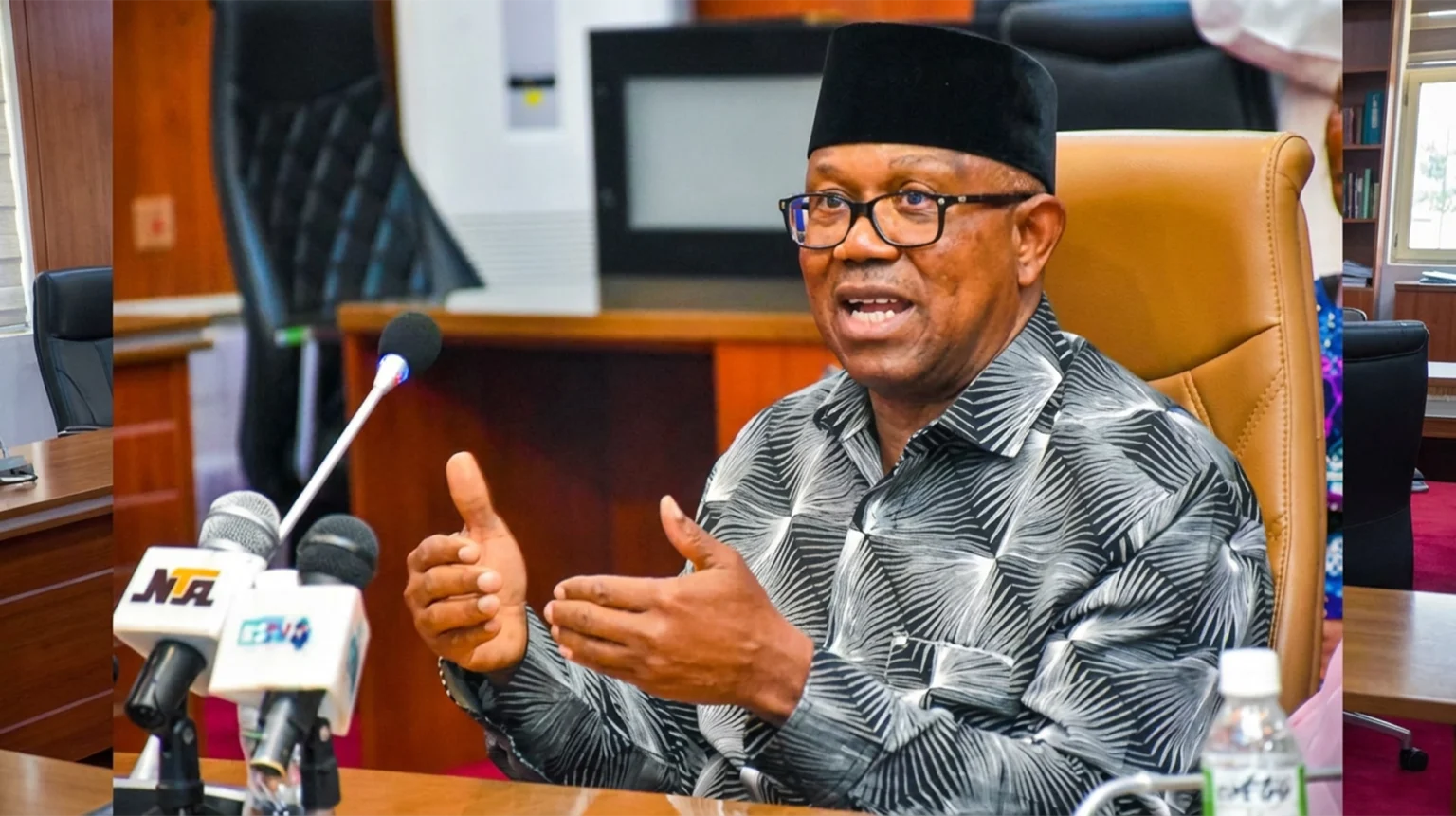
Presidential candidate of the Nigeria Democratic Congress(NDC) for the 2027 general election, Peter Obi, has stirred renewed debate in Europe after telling members of the European Parliament that Africa’s central challenge is not a shortage of resources, but a persistent failure of leadership and governance.
In a presentation that has continued to generate widespread reactions across political and digital spaces, Obi painted Africa as a continent endowed with vast natural wealth, a young population, and significant strategic importance to the global economy—yet still struggling to convert these advantages into inclusive and sustainable development.
He argued that the gap between Africa’s potential and its reality is largely driven by weak institutions, inconsistent policies, and leadership choices that have failed to prioritise long-term national development over short-term political interests.
Focusing on Nigeria as a key case study, Obi noted that the country—home to over 200 million people—remains one of the world’s largest consumer markets and labour pools, with the capacity to significantly influence global economic dynamics if properly governed.
He maintained that effective governance in Nigeria would not only transform domestic economic fortunes but also strengthen Africa’s overall contribution to global trade, manufacturing, and investment flows, while enhancing cooperation with Europe on shared challenges such as security and migration.
Obi further told European lawmakers that sustainable progress in Africa will depend on strengthening democratic institutions, enforcing accountability, and building leadership systems that prioritise productivity, transparency, and citizen welfare.
He stressed that governance reform remains the most critical pathway to unlocking the continent’s economic potential and reducing recurring cycles of underdevelopment and instability.
The remarks have since triggered mixed reactions across political and public discourse.
Supporters described the intervention as a frank and necessary assessment of Africa’s development trajectory, noting that Obi has consistently emphasised discipline in public finance, institutional reform, and productive economic planning as foundations for growth.
Critics, however, argue that while the diagnosis resonates widely, the challenge lies in translating such perspectives into practical reforms within complex and often resistant political environments.
Despite the divergent views, the speech has once again placed Obi at the centre of continental discussions on governance, accountability, and Africa’s position in the global economic order.
As political activity intensifies ahead of Nigeria’s 2027 elections, the intervention is expected to further fuel debate on leadership performance and the future direction of governance in the country.