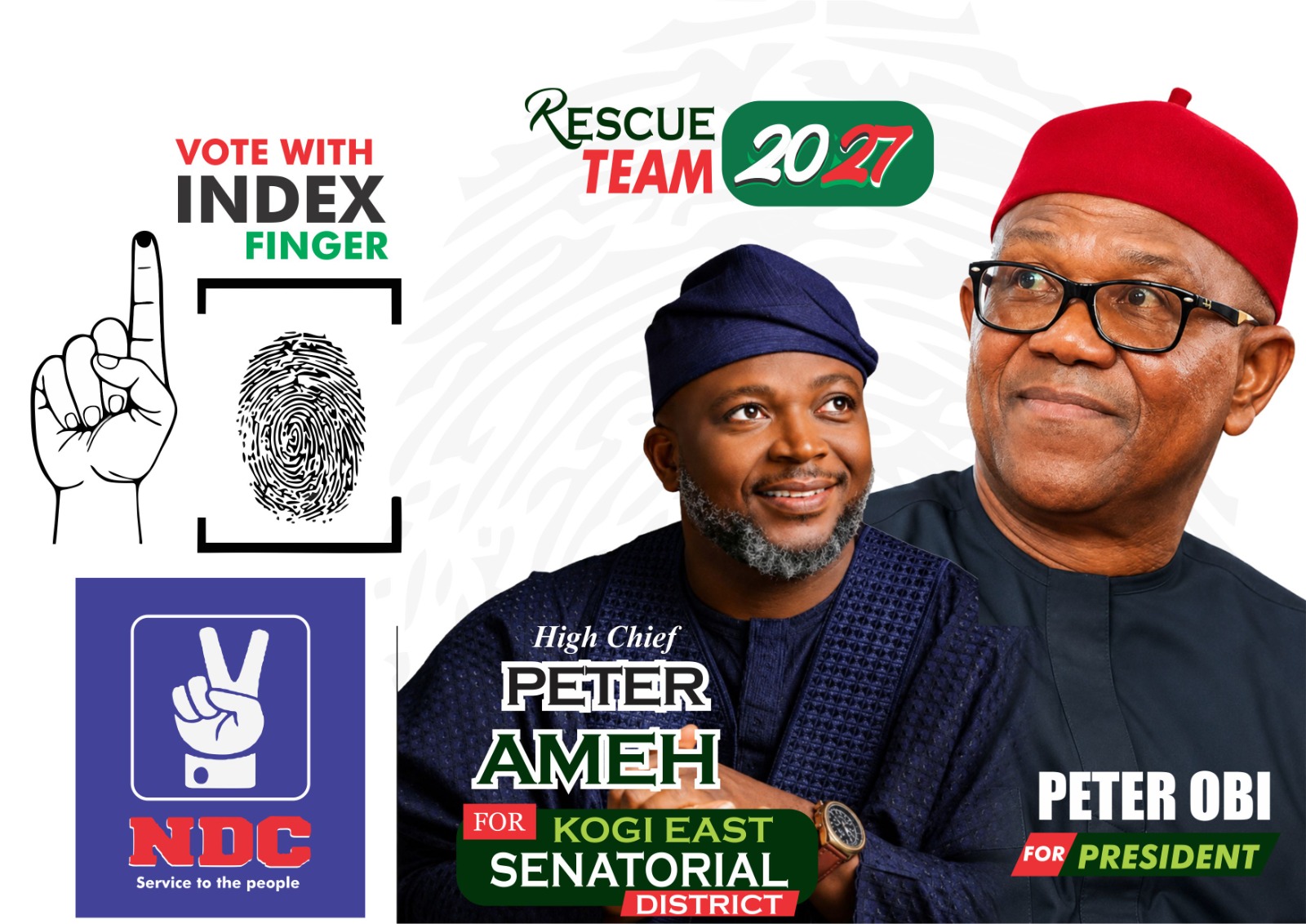
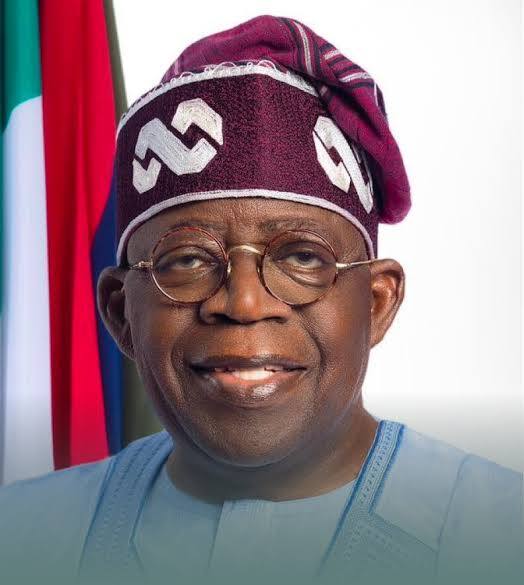

The 2027 presidential candidate of the Nigeria Democratic Congress (NDC), Peter Obi, has challenged the administration of President Bola Tinubu to provide a comprehensive account of how borrowed funds have been spent, amid concerns over Nigeria’s rapidly expanding debt profile.
Obi said the country’s public debt has climbed to about N200 trillion under the current administration, raising questions about fiscal transparency and the impact of the borrowing on national development.
In a statement issued on Tuesday through the Peter Obi Media Reach (POMR), the former Anambra State governor argued that while borrowing is not unusual for governments seeking to finance development, accountability for such loans remains essential.
According to him, Nigerians deserve clear explanations regarding the utilization of funds obtained through domestic and external borrowing, particularly at a time when many citizens are grappling with economic hardship, rising inflation and declining purchasing power.
Obi noted that available figures suggest that Nigeria’s debt stock has increased by more than N100 trillion within three years, a development he described as alarming given the limited evidence of corresponding investments in critical infrastructure and productive sectors of the economy.
He specifically referenced data from the Budget Office indicating that the Federal Government borrowed N11.89 trillion between January and September 2025, exceeding its approved borrowing limit of N10.34 trillion for the period.
The former Labour Party presidential candidate maintained that borrowing beyond approved thresholds should ordinarily attract public scrutiny and detailed justification from relevant government agencies.
He also expressed concern over what he described as a disconnect between the volume of borrowed funds and actual capital expenditure. According to Obi, only N3.10 trillion was reportedly deployed to capital projects during the period under review, representing a small fraction of the amount earmarked for infrastructure and development spending.
The disparity, he said, has fueled public concerns over the destination and application of the remaining borrowed resources.
“The question Nigerians are asking is simple: where did the money go?” Obi stated, insisting that transparency in public finance management is critical to restoring confidence in government institutions.
He argued that sustained borrowing without clear accountability could worsen the country’s fiscal challenges and place an additional burden on future generations.
Obi further urged the Federal Government to publish detailed records of projects financed through recent loans and provide periodic updates on the implementation and impact of such projects.
According to him, responsible governance requires openness, prudent management of public resources and investments that directly improve the lives of citizens.
He reiterated his long-held position that Nigeria’s economic challenges can be addressed through disciplined fiscal management, productive investments and greater transparency in public administration.
The Presidency has yet to respond to Obi’s latest remarks on the nation’s debt profile and the utilization of borrowed funds.