

Nigeria’s livestock industry is operating without the robust disease intelligence needed to prevent devastating outbreaks, as poor reporting systems, weak state laboratories and the exclusion of private veterinary facilities continue to undermine national surveillance, leading veterinary experts have warned.
The experts said unless the country urgently integrates public and private laboratories into a single national disease surveillance network, livestock diseases will continue to spread undetected, threatening food security, public health and billions of naira in agricultural investments.
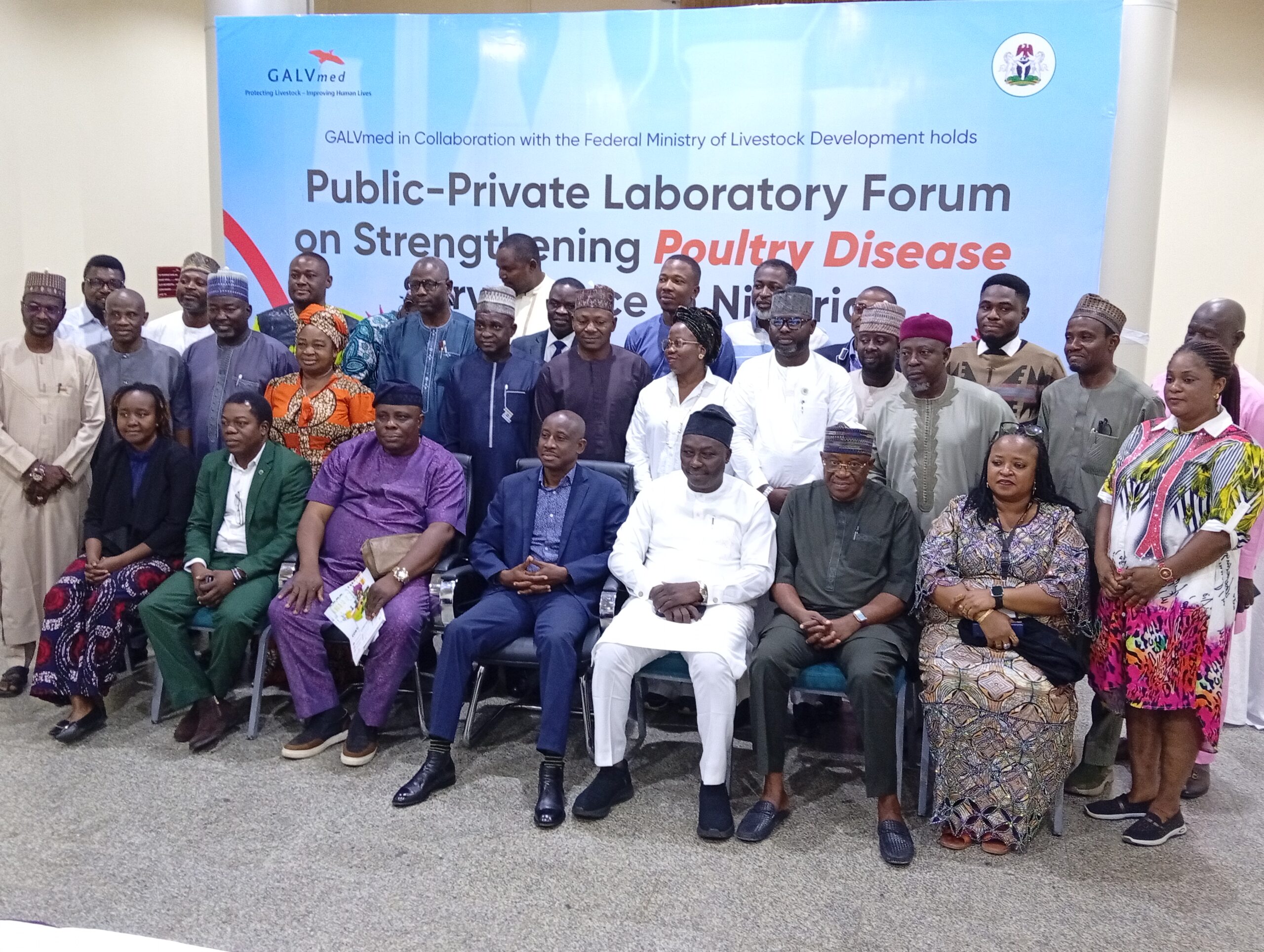
The warning came at the Public-Private Veterinary Laboratory Forum on Strengthening Poultry Disease Surveillance in Nigeria, organised by the Federal Ministry of Livestock Development, where stakeholders described the country’s current surveillance architecture as fragmented and inadequate for modern disease control.
Director of Infectious and Transboundary Animal Diseases at the National Veterinary Research Institute (NVRI), Dr. Clement Meseko, said Nigeria’s biggest challenge is not a shortage of expertise but the inability to capture disease information from the grassroots where outbreaks begin.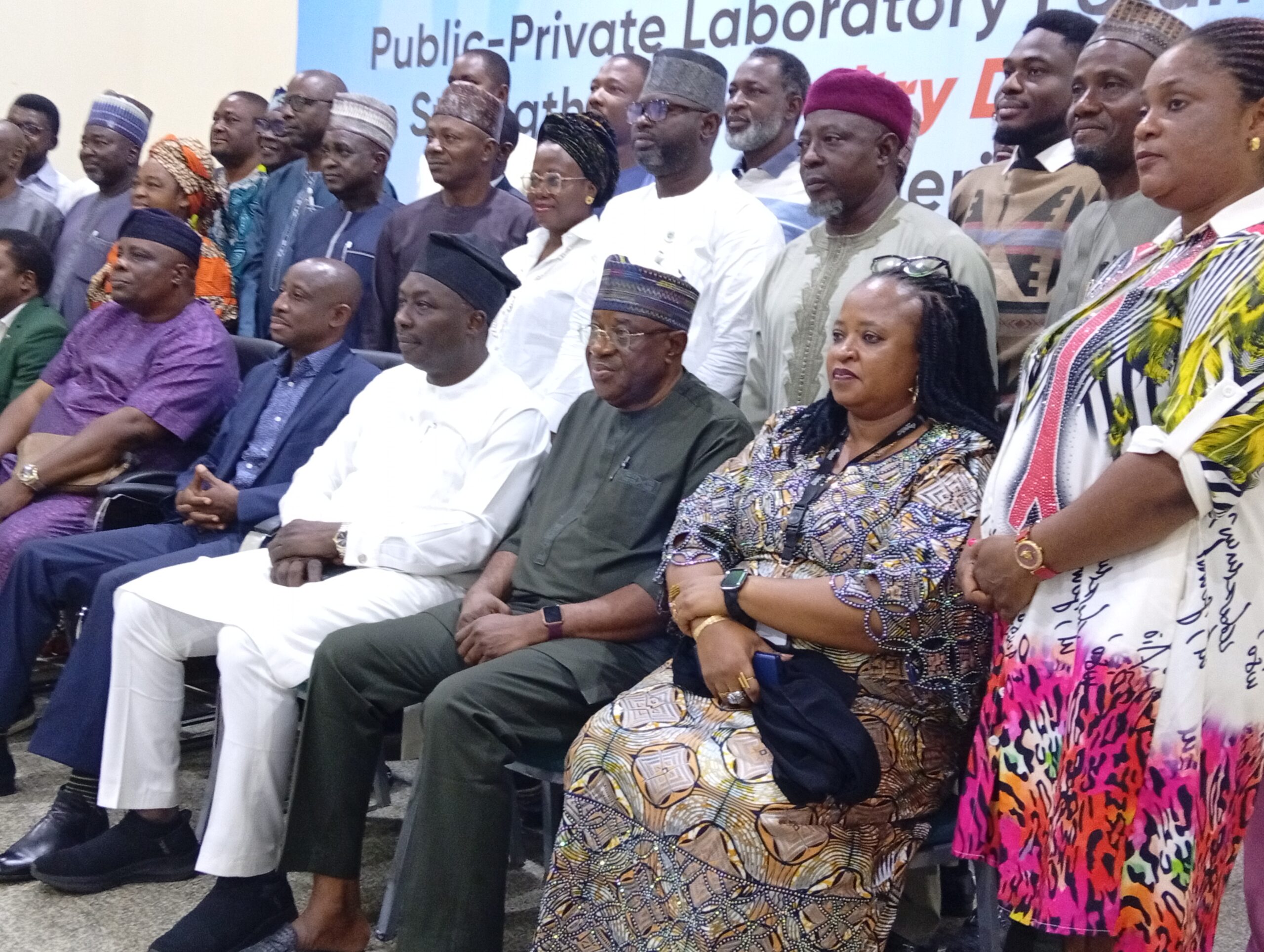
According to him, although NVRI remains the nation’s apex reference laboratory for animal diseases, its effectiveness depends on a steady flow of surveillance data from farms, veterinary clinics and communities across the country.
“Our mandate covers research, surveillance, diagnosis and vaccine production for the control of infectious animal diseases in Nigeria,” he said.
Meseko explained that private veterinary laboratories are often the first to receive samples from affected farms, making them indispensable partners in disease surveillance.
“We are at the apex as the National Reference Laboratory, but we can be very far from the grassroots where surveillance data is generated. Until government laboratories and private laboratories work together, surveillance cannot be effectively strengthened.”
He proposed an integrated laboratory system in which disease samples move seamlessly from private laboratories through state and zonal facilities before reaching NVRI for confirmation, creating a real-time national surveillance chain.
“By the time we gather data from all these sources, Nigeria will have robust information that can be used for planning and effective disease control.”
Meseko also urged government to strengthen private veterinary laboratories through training, incentives and institutional partnerships to expand surveillance coverage nationwide.
GALVmed Country Manager, Dr. Moses Arokoye, identified weak reporting as the country’s greatest vulnerability.
“The reporting system is poor—very, very poor,” he declared.
According to him, many livestock disease outbreaks never make it into Nigeria’s official records because they are simply not reported.
“If an event is not recorded, it means it didn’t happen. There could be outbreaks and incidences, but if they are not documented, they simply do not exist in the national records.”
Arokoye said the forum was convened to bridge the long-standing disconnect between government laboratories and private diagnostic facilities by establishing a harmonised national reporting framework.
He explained that disease outbreaks often show detectable patterns before escalating into major emergencies.
“Outbreaks don’t just happen overnight. There are patterns over time, and once those patterns are identified, Nigeria will be better prepared to respond before diseases spread.”
He disclosed that directors of veterinary teaching hospitals from Nigeria’s 11 veterinary faculties, officials of NVRI and major private laboratories are working towards integrating disease reports into the National Animal Disease Information System (NADIS).
“What government wants is robust national data. We cannot continue to work in silos. We must harmonise disease reporting between the public and private sectors,” he said.
Adding a policy perspective, President of the Veterinary Council of Nigeria (VCN), Prof. Matthew Adamu, warned that surveillance reforms would deliver little unless state governments rebuild veterinary laboratory capacity closer to livestock producers.
While acknowledging NVRI’s international recognition as a reference laboratory by the World Organisation for Animal Health, Adamu said the real weakness lies in the collapse of laboratory infrastructure at the sub-national level.
“We have a serious challenge at the sub-national level. We need to build and strengthen laboratories in the states and, where possible, at the local government level because livestock production actually takes place at those levels.”
He called for urgent investment in veterinary teaching hospitals, laboratory equipment and skilled personnel through continuous recruitment and training.
Adamu described the forum as a strategic gathering of scientists and policymakers committed to repositioning Nigeria’s livestock sector through stronger disease surveillance.
He maintained that effective laboratory networks would improve animal health, strengthen food security, boost livestock productivity and increase foreign exchange earnings.
Also speaking, Nigeria’s Chief Veterinary Officer, Dr. Samuel Anzaku, called for an urgent change in the country’s disease reporting culture, warning that fragmented data collection and chronic under-reporting have significantly weakened national efforts to control poultry diseases.
Represented by Dr. Adeniyi Adedoyin, Anzaku recalled that the same concerns were raised several years ago, yet little progress has been made.
He questioned why teaching hospitals, public laboratories and private veterinary facilities continue to retain disease data instead of contributing to a coordinated national surveillance system.
Anzaku cited the Animal Disease Control Act, which mandates the reporting of animal diseases through the National Animal Disease Information System (NADIS), coordinated by the Office of the Chief Veterinary Officer of Nigeria.
Under the law, State Directors of Veterinary Services are required to collect disease information from veterinary teaching hospitals and private practitioners before transmitting it to the national database.
Despite the legal framework, he lamented that Nigeria has suffered persistent under-reporting for over a decade.
He criticised the reluctance of some veterinary professionals and institutions to submit disease reports, stressing that what government requires is not raw laboratory records but harmonised data that can support national surveillance and early warning systems.
According to him, without a fundamental shift towards collaboration and data sharing, Nigeria will continue to struggle to detect and respond effectively to disease outbreaks.
He noted that the human health and pharmaceutical sectors have already harmonised their surveillance systems, leaving the veterinary sector behind.
The Director-General of the Poultry Association of Nigeria (PAN), Dr. Onallo Akpa, also called for increased investment in veterinary research and laboratory capacity to combat Newcastle Disease and other endemic poultry diseases.
He urged stakeholders to move beyond conferences and translate discussions into practical research, innovation and stronger laboratory systems.
Akpa described poultry as Nigeria’s most organised livestock sub-sector and a major contributor to employment, food security and economic development.
He warned that recurring disease outbreaks continue to inflict enormous economic losses on poultry farmers and undermine the sector’s growth.
He challenged participants to identify critical gaps in disease surveillance, strengthen laboratory collaboration and develop practical strategies capable of reducing the prevalence and economic impact of poultry diseases across Nigeria.
Across the forum, one message resonated strongly: without accurate disease reporting, integrated laboratory networks and stronger veterinary capacity at the state level, Nigeria will remain reactive rather than proactive in tackling livestock diseases, with serious implications for food security, public health and the nation’s agricultural economy.