
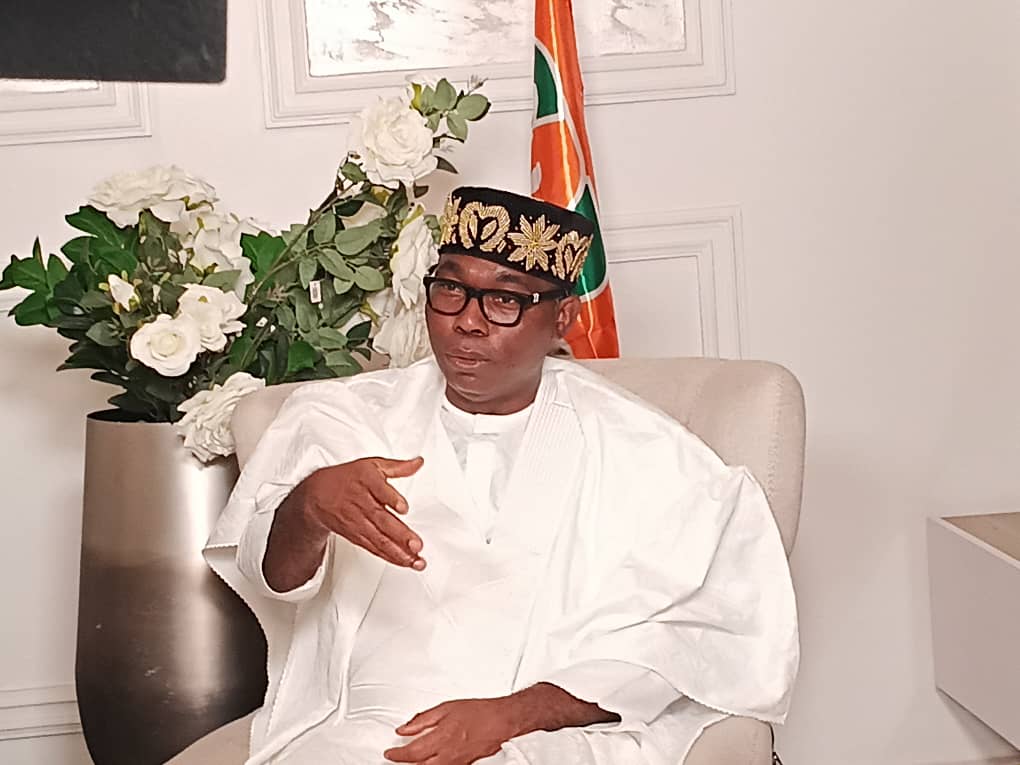
 Prince Adewole Adebayo

Presidential candidate of the Social Democratic Party (SDP), Adewole Adebayo, has argued that Nigeria is yet to achieve genuine democracy, maintaining that the country has merely sustained civilian governance since 1999 without delivering the core benefits of democratic rule.
Speaking in Abuja after the Democracy Day celebrations, Adebayo said that despite over two decades of uninterrupted civilian administration, many Nigerians continue to grapple with poverty, insecurity, weak institutions and a lack of accountability in governance.
According to him, the expectations that accompanied the return to civilian rule have not translated into meaningful improvements in citizens’ lives.
“Since 1993, only two things have changed: our problems have become bigger, and our democratic space has become smaller,” he stated.
The SDP stalwart warned that the worsening economic situation and rising insecurity pose serious threats to national stability if decisive measures are not taken.
“Poverty has grown and given birth to insecurity. If we fail to address both, they may eventually lead to instability, revolution, or even genocide,” he cautioned.
Adebayo also took a swipe at the administration of President Bola Ahmed Tinubu, saying many Nigerians are yet to feel the impact of the government’s “Renewed Hope” agenda.
He stressed that governance must focus on addressing immediate challenges facing citizens rather than promises of future gains.
“A president is elected for the present, not the future. Hungry people cannot eat in the future. Children cannot go to school in the future. Security challenges cannot wait,” he said.
Questioning claims that major reforms are underway, Adebayo argued that policy adjustments alone do not amount to meaningful transformation.
“There are no reforms. Renaming problems is not reform. Increasing taxes and calling it tax reform is not reform,” he said.
He further criticised the state of Nigeria’s petroleum sector, pointing to the continued underperformance of government-owned refineries despite repeated assurances about their rehabilitation.
The former presidential candidate also expressed concern over what he described as a growing disconnect between political leaders and the citizens they govern.
“The president speaking to the people is good, but the president listening to the people is more important,” he added.
On electoral reforms, Adebayo called for constitutional measures that would guarantee the independence of the Independent National Electoral Commission (INEC), including a process that shields the appointment of electoral officials from political influence.
He also advocated real-time electronic transmission of election results, arguing that such a measure would strengthen transparency and restore public confidence in the electoral system.
Addressing security spending, Adebayo said accountability and effective oversight should take precedence over increased budgetary allocations, insisting that better management of existing resources could yield improved outcomes.
Despite his criticisms of the current state of affairs, he expressed optimism that Nigeria’s challenges remain surmountable if leaders place citizens’ welfare at the centre of governance and institutional reforms.