
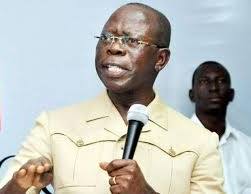

What began as a routine Senate oversight process erupted into one of the most dramatic confrontations yet in the National Assembly’s ongoing probe of the Nigerian National Petroleum Company Limited (NNPCL), as Senator Adams Oshiomhole mounted a forceful defence of his controversial remarks and lawmakers battled over procedure, accountability, and the limits of parliamentary power.
At the centre of the storm was Oshiomhole’s earlier description of conduct surrounding the oil company investigation—remarks critics interpreted as branding NNPCL officials “criminals and thieves,” triggering outrage and accusations that the Senate was prejudging a case still under investigation.
But speaking passionately on the Senate floor, Oshiomhole refused to retreat.
He insisted his comments were neither personal attacks nor a declaration of guilt, but an emotional reaction to what he described as disturbing revelations emerging from audit findings now under legislative scrutiny.
According to him, the comments arose during proceedings of the Senate Public Accounts Committee examining audit concerns involving alleged discrepancies exceeding N210 trillion in NNPCL’s books.
Oshiomhole argued that the context had been ignored.
He told lawmakers that his intervention was rooted in issues raised by the Auditor-General’s report and reflected frustration over what he considered persistent resistance to legislative oversight.
The former Edo governor claimed that several officials connected to the investigation repeatedly failed to appear before the committee despite multiple invitations.
According to him, some had been invited as many as nine times.
To Oshiomhole, such actions amounted to more than administrative delay—they represented a direct challenge to the constitutional authority of parliament.
He further claimed that issues under investigation included questions surrounding transactions running into trillions of naira and allegations linked to financial arrangements involving institutions whose operational status had become unclear.
At one point, Oshiomhole portrayed himself as the one standing trial.
“I was placed in a witness box before the entire nation.”
He argued that if his comments had become the focus of national criticism, he should equally be allowed to defend himself publicly and robustly.
The atmosphere inside the chamber became increasingly tense, forcing Senate President Godswill Akpabio to repeatedly intervene, caution lawmakers against interruptions and redirect debate toward the substantive issues.
But the confrontation soon shifted beyond Oshiomhole.
Attention turned to the Senate Public Accounts Committee itself and the controversy surrounding its decision to issue a warrant of arrest against former NNPCL Group Chief Executive Officer, Mele Kyari.
That development triggered a broader institutional debate over whether Senate committees possess the authority to compel attendance independently.
Following extensive deliberations, the Senate drew a clear line.
Lawmakers affirmed that committees may only recommend enforcement actions and that the authority to issue warrants compelling witness attendance rests with the Senate President.
The chamber also formally distanced itself from the remarks attributed to Oshiomhole, making clear that his comments neither reflected Senate findings nor constituted an official position of the institution.
Senators emphasized that no individual or institution could be declared guilty outside judicial determination and urged restraint in public commentary surrounding active investigations.
In the most dramatic reversal of the day, the Senate nullified and discountenanced the arrest warrant earlier issued against Mele Kyari—effectively pulling the brakes on one of the most explosive moments of the NNPCL investigation.
By the close of proceedings, lawmakers reaffirmed their commitment to oversight, constitutional process, and institutional discipline.
But the message from the chamber was equally unmistakable: as scrutiny intensifies over the disputed trillions linked to NNPCL’s audit records, the political and procedural battles surrounding the probe may only be beginning.