

The inauguration of the China-assisted ECOWAS Headquarters in Abuja has been described as a renewed statement of West Africa’s ambition to strengthen regional unity and rebuild confidence in shared institutions.
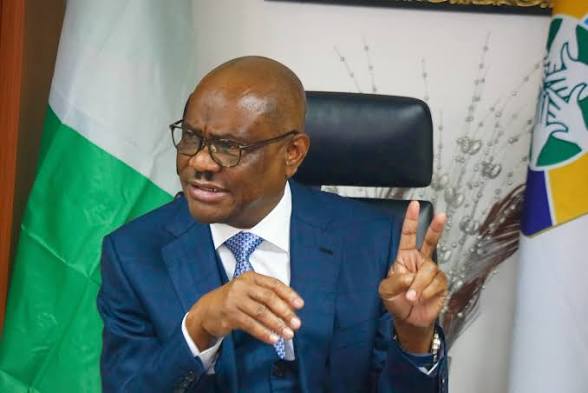
The Minister of the Federal Capital Territory (FCT), Nyesom Wike, said the new headquarters represents more than diplomatic infrastructure, but a test of the region’s commitment to collective governance, stability, and long-term integration.
Speaking at the handover ceremony on Tuesday, Wike noted that the facility reflects not only international partnership with the People’s Republic of China but also West Africa’s own responsibility to sustain and deepen its institutional frameworks.
He said the project highlights Abuja’s growing role as a strategic diplomatic hub, where regional and global interests intersect, adding that the presence of ECOWAS institutions in the city reinforces Nigeria’s central position in West African affairs.
“This is not just about a building. It is about whether we can match our political vision with strong institutions that endure beyond governments and transitions,” he said.
Represented by the FCT Minister of State, Dr Mariya Mahmoud, Wike commended China’s contribution to the project, describing it as part of a broader pattern of infrastructure diplomacy that is reshaping international cooperation in Africa.
However, beyond the ceremonial tone, the development also underscores a deeper regional question: whether ECOWAS can translate symbolic milestones into stronger political cohesion at a time of rising security challenges, economic pressures, and shifting alliances within West Africa.
The Minister stressed that Abuja’s role as host city is not incidental, but strategic, positioning Nigeria at the centre of regional dialogue and decision-making.
He added that the FCT Administration facilitated the project through regulatory approvals, coordination, and infrastructure support, describing ECOWAS as a key expression of West Africa’s shared identity and aspirations.
Analysts say the completion of the headquarters comes at a time when the bloc faces increasing pressure to redefine its relevance, strengthen internal unity, and respond more effectively to political and security instability across member states.
Against this backdrop, the new facility stands not only as a diplomatic landmark, but also as a quiet reminder of the expectations placed on ECOWAS as a vehicle for regional stability and integration