

The Senate has cautioned journalists against presenting parliamentary motions, committee recommendations and Executive budget proposals as final decisions of the National Assembly.
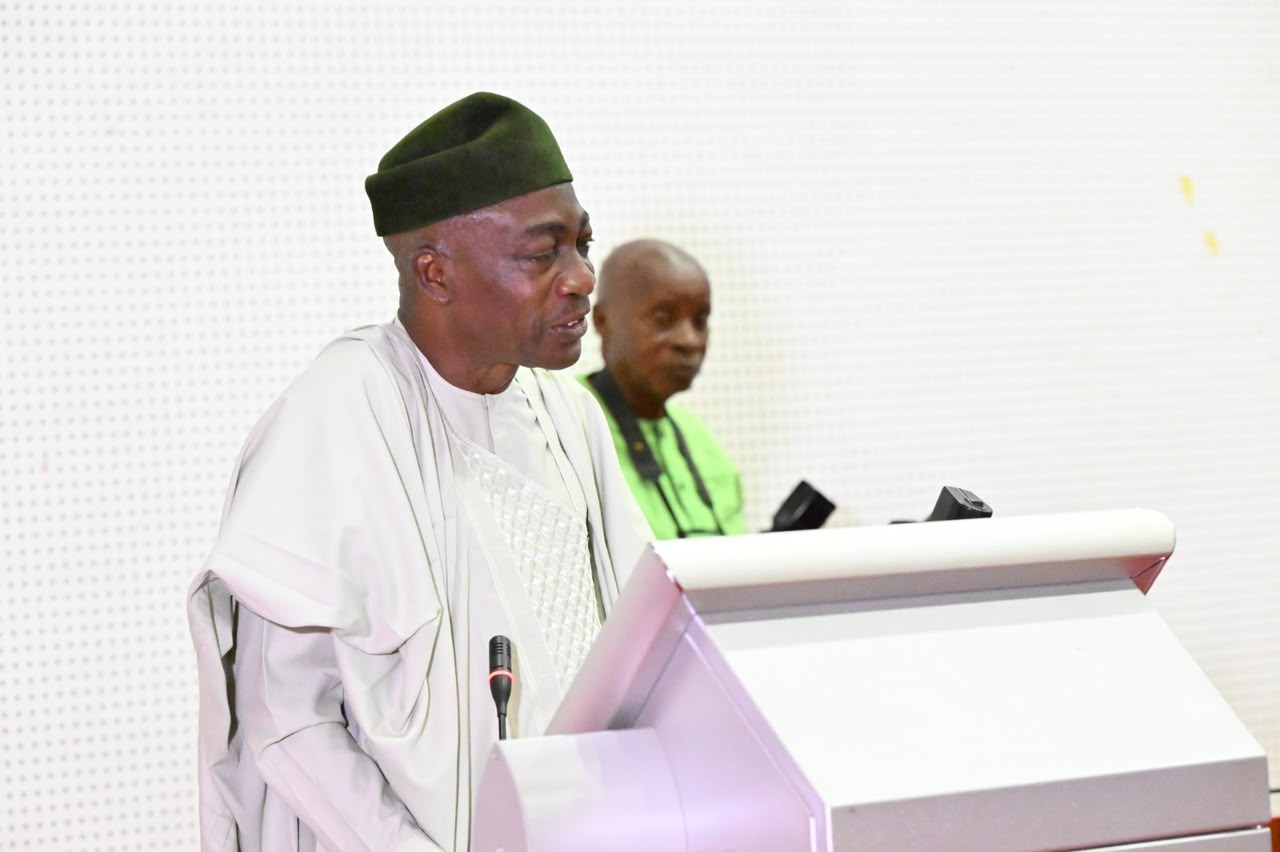
Chairman of the Senate Committee on Media and Public Affairs, Senator Yemi Adaramodu, gave the warning in Abuja, saying failure to distinguish between proposals and decisions could distort the public record and mislead citizens.
Adaramodu, who represented Senate President Godswill Akpabio at a capacity-building workshop for journalists, said parliamentary business passes through several stages before it becomes an official decision.

He specifically warned against reporting a motion sponsored by an individual senator as the position of the entire Senate.
He said the same principle applied to committee recommendations, which, according to him, remain recommendations until considered and adopted by the chamber.
“A bill at first reading is not yet a law,” Adaramodu said, stressing that proposed legislation must complete the required legislative process before it becomes binding.
The senator also cautioned against describing the Executive’s budget proposal as the national budget.
He explained that the document submitted by the Executive begins a legislative process involving scrutiny, committee consideration, budget defence and deliberations by both chambers.
The Senate and House of Representatives must also reconcile their positions before a final budget is transmitted to the President for assent, he said.

Adaramodu urged journalists covering the National Assembly to obtain primary documents, establish the stage of each legislative proposal and verify claims before publication.
He said the rapid spread of information through digital platforms had made verification increasingly critical, particularly with the circulation of fabricated documents and manipulated voices.
“The critical question is: How do we know?” he said.
The senator warned that repetition did not turn an allegation into a fact, urging journalists to establish the source of claims and give affected persons an opportunity to respond.
On budget oversight, Adaramodu challenged the media to move beyond reporting appropriated figures and investigate what happens after funds are approved.
He urged journalists to track projects from appropriation through release and implementation, including physically verifying projects where necessary.
However, he cautioned against automatically equating an uncompleted project with financial fraud, noting that delays could result from several factors.
Adaramodu said Parliament and the media should not operate as adversaries, arguing that both institutions ultimately serve the public interest.
“Parliament guards public funds, while journalism guards the public record,” he said.
He assured journalists of the Senate’s commitment to accountability, openness and constructive engagement with independent journalism.