

The push by the Human Rights Writers Association of Nigeria (HURIWA) for the creation of 3,000 new police stations is not just another infrastructure demand—it is a window into a deeper structural crisis in Nigeria’s security system.
While HURIWA supports the proposal by the Inspector-General of Police, Kayode Egbetokun, the group’s strongest argument goes beyond expansion. It raises a harder question: what is the point of building new security infrastructure if the old ones are already collapsing under neglect?
Nigeria’s policing system, stretched across a population of over 200 million, is already struggling with limited coverage, weak response capacity, and outdated facilities. HURIWA’s estimate that the country operates only about 2,000 police stations underscores a gap that has widened over decades rather than years.
But the fresh angle in HURIWA’s position is its warning against “construction without continuity.” In essence, the group is arguing that Nigeria’s real security weakness is not only the number of police stations—it is the absence of a system that sustains them after they are built.
Across the country, many police barracks have deteriorated into unsafe living environments, with reports of structural decay, overcrowding, poor sanitation, and environmental hazards. HURIWA estimates that over 90 percent of such facilities are in poor condition, a statistic that shifts the conversation from expansion to maintenance failure.
This is where the group’s proposal becomes more than criticism—it becomes a policy challenge. It is calling for a shift from “build-and-abandon” governance to a lifecycle approach where infrastructure is legally tied to long-term upkeep.
Its recommendation for a 30-year enforceable maintenance clause is particularly significant. Instead of treating maintenance as an afterthought, HURIWA is pushing for contracts that make upkeep a binding obligation, including structural audits, sanitation systems, drainage management, and environmental safety standards.
In practical terms, this would mean redefining how public infrastructure is delivered in Nigeria—from one-time capital projects to long-term service agreements with accountability built in from the start.
The association also stresses the need for independent oversight involving civil society, professional bodies, and environmental experts. This reflects a broader concern: that without external monitoring, even well-designed infrastructure systems can deteriorate due to weak enforcement and corruption.
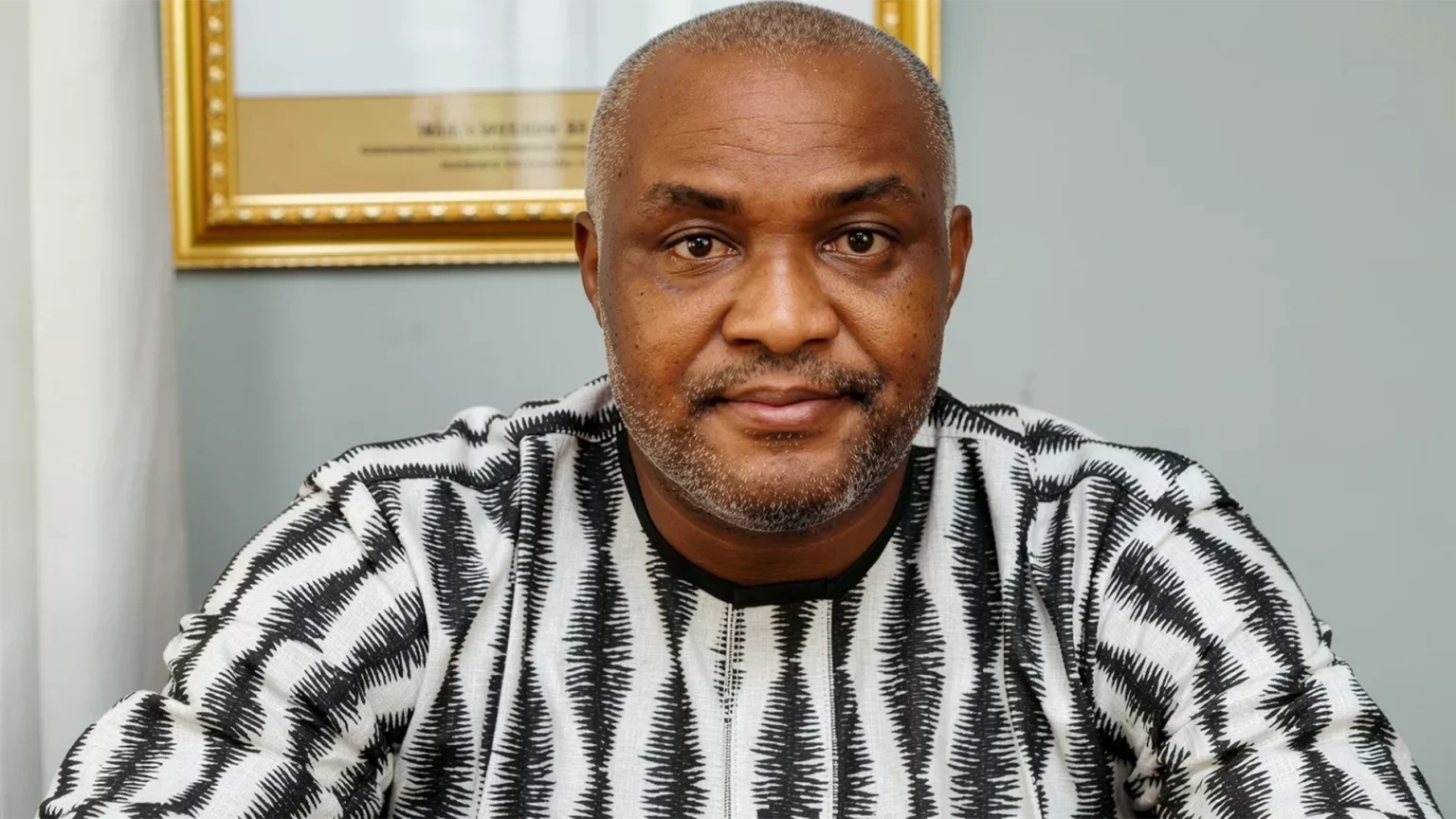
HURIWA’s National Coordinator, Emmanuel Nnadozie Onwubiko, frames the issue as both a security and human dignity concern, arguing that poorly housed police officers cannot be expected to deliver effective policing services.
Ultimately, the statement reframes Nigeria’s security debate. It suggests that expanding police infrastructure alone will not solve insecurity unless the country also fixes how it manages what it already has.
In that sense, the real issue is not just how many police stations Nigeria builds next—but whether it can finally maintain them.