


By Ahmed Rufa’i, Dutse

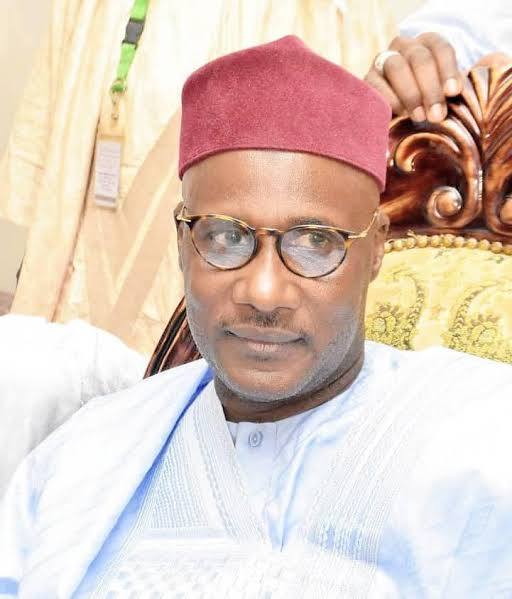
A former lawmaker and philanthropist, Magaji Da’u Aliyu, has invested over ₦55 million in training 22 orphans from Birninkudu and Buji Local Government Areas of Jigawa State as community health workers, in a move aimed at strengthening grassroots healthcare delivery.
The beneficiaries, drawn from the 21 political wards in the Birninkudu/Buji Federal Constituency, are currently undergoing training in Community Health Services at ALU College of Health Science and Technology.
The initiative ensures gender balance, with each ward producing one male and one female orphan, bringing the total to 11 males and 11 females.
Coordinator of the programme, Malam Haladu Maigari, disclosed that the benefactor has fully funded the students’ education and welfare from admission to their current level, covering tuition, registration, and other academic expenses.
According to him, over ₦40 million has already been spent on tuition and registration alone, while an additional ₦15 million was recently paid to settle the students’ national examination fees.
“The beneficiaries were carefully screened and selected based on merit and their status as orphans. The goal is not just to support them, but to equip them with skills that will directly benefit their communities,” Maigari said.
He emphasised that the intervention is entirely privately funded, noting that Aliyu has continued to finance the programme even after completing his tenure in the House of Representatives in 2023.
“This is not a government initiative. He started it while in office and has sustained it with personal resources after leaving office. That level of commitment is rare,” he added.
Beyond its humanitarian impact, the programme is seen as a strategic response to the shortage of healthcare personnel in rural Jigawa, where access to basic medical services remains a challenge.
Maigari further revealed that plans are underway to expand the scheme, with a new batch of beneficiaries expected to exceed the current number.
Observers say the initiative represents a model of targeted philanthropy—one that not only transforms lives but also addresses critical gaps in Nigeria’s healthcare system by building local capacity from within underserved communities.