
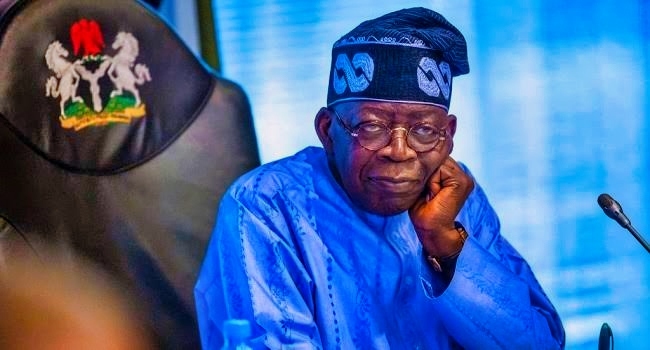
 Bola Tinubu

A coalition of more than 50 Civil Society Organisations (CSOs), including SERAP, CISLAC, CITAD, and CHRICED, has warned that Nigeria is facing a deepening socio-economic and security crisis that requires urgent government action.
In a joint statement released on Tuesday, the groups said the country is drifting toward instability, citing rising insecurity, worsening poverty, and declining governance standards as major threats to national stability.
They expressed concern that while citizens continue to struggle with hardship, political leaders appear disconnected from the realities on the ground.
The CSOs painted a troubling picture of living conditions across the country, pointing to displaced farmers in parts of the North living in poor conditions, rising transport costs in the Federal Capital Territory, and increasing struggles among families in cities like Lagos to afford basic necessities.
They noted that recent economic reforms, including fuel subsidy removal, naira floatation, and increased government borrowing, have boosted public revenue. However, they argued that these gains have not translated into improved living standards for ordinary Nigerians.
According to the coalition, government budgets have exceeded ₦100 trillion in the past two years, yet public services continue to deteriorate, inequality is widening, and many citizens are becoming poorer.
The groups also raised alarm over the worsening security situation, highlighting killings, kidnappings, and mass displacement—especially in the North and Middle Belt regions. They warned that banditry is severely affecting agriculture, worsening food shortages and driving inflation.
They described kidnapping as a “nationwide epidemic,” affecting schoolchildren, commuters, and communities across the country.
On governance, the CSOs accused public officials of failing to ensure accountability despite rising revenues, while corruption and poor management continue to undermine national progress. They also warned of shrinking civic space, with journalists and activists facing increasing harassment.
Looking ahead to the 2027 general elections, the groups expressed concern over threats to Nigeria’s democracy, including political interference, declining public trust, and the influence of illicit funds in politics. They also raised concerns about growing doubts in the independence of the judiciary.
To address these challenges, the coalition called on government at all levels to prioritize economic justice by ensuring that increased revenues translate into jobs, affordable healthcare, and improved food security.
They also urged stronger security coordination, anti-corruption reforms, protection of civic freedoms, and urgent steps to restore the independence and credibility of the judiciary.
“Nigerians deserve relief, justice, and dignity, not just slogans,” the statement concluded, warning that continued inaction could further endanger the country’s future.