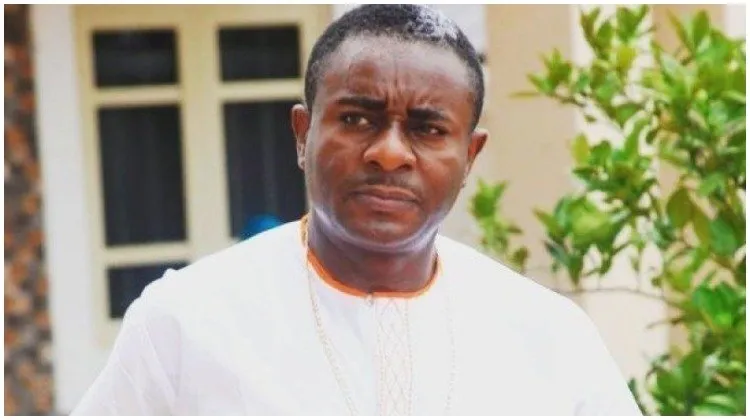

A growing controversy over alleged misuse of voter information has escalated, with actor-turned-politician Emeka Ike threatening legal action after his personal details reportedly surfaced from an Independent National Electoral Commission (INEC) administrative portal.
The dispute follows a social media post by Lere Olayinka, media aide to the Minister of the Federal Capital Territory, Nyesom Wike, which contained screenshots said to have been extracted from INEC’s voter database system.
The images, widely circulated online, allegedly showed Ike’s voter registration profile, including sensitive personal details linked to his transfer from Imo State to the Federal Capital Territory ahead of his House of Representatives bid in the AMAC/Bwari constituency.
The post quickly triggered backlash, with critics questioning how such data was accessed and whether it violated INEC’s data protection protocols.
Speaking on Channels Television’s The Morning Brief, Ike described the incident as a disturbing abuse of access to citizens’ private information, warning that it reflects a deeper problem of accountability in the handling of sensitive electoral data.
He argued that no public official or political actor should have unrestricted access to voter records, stressing that the incident undermines trust in the electoral process and exposes Nigerians to potential privacy violations.
“It’s quite shocking… the height of political rascality,” he said, insisting that the exposure amounted to an unacceptable intrusion into his personal records.
Ike further confirmed he was prepared to pursue legal redress, stating that those responsible must be held accountable to deter future breaches.
The development comes amid heightened scrutiny of INEC’s data systems, as the commission continues its investigation into the alleged leak and insists that no external hacking of its voter database occurred.
With political tensions already rising ahead of the 2027 elections, the controversy has intensified calls for stronger safeguards around voter information and stricter enforcement of data privacy rules within Nigeria’s electoral infrastructure.