


In a bold stance against the recently proposed amendment aimed at punishing doctors for delays in emergency medical treatment, the Nigerian Association of Resident Doctors (NARD) is urging a shift in focus from punitive measures to systemic improvements in healthcare.
The Senate’s proposal, which suggests imposing jail terms or fines on medical professionals, has ignited widespread concern among doctors who argue that the problematic landscape of Nigeria’s healthcare system is not the fault of individual practitioners.
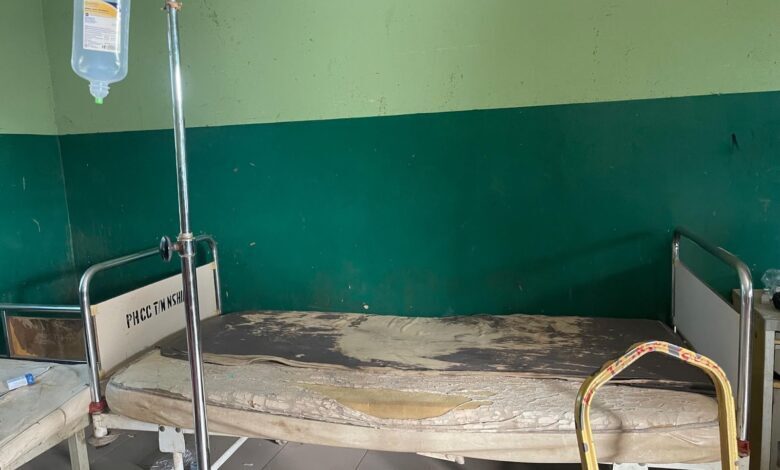
NARD’s leaders assert that criminalizing doctors only serves to distract from the real issues at hand: long-standing infrastructural deficiencies, outdated medical equipment, and chronic understaffing.
They emphasize that healthcare workers are currently navigating impossible conditions, often working in facilities lacking essential resources, thus compromising patient care.


In their statement, NARD highlights the irony of punishing frontline workers while neglecting the urgent need for legislative action to enhance healthcare funding and support.
They argue that instead of imposing penalties, lawmakers should prioritize creating a reliable healthcare framework that ensures timely access to emergency care for all Nigerians.
NARD calls on the National Assembly to shift their legislative urgency from targeting healthcare professionals to addressing the root causes of inefficiencies within the system.
The association also advocates for accountability from public officials, suggesting that the same standards imposed on doctors should apply to those responsible for healthcare governance.
With the ongoing exodus of skilled medical personnel—often referred to as the ‘Japa syndrome’—NARD warns that punitive legislation could exacerbate this trend, ultimately weakening the healthcare system further.
They implore lawmakers to take a collaborative approach, working with doctors to develop comprehensive solutions that enhance patient care while simultaneously uplifting healthcare workers.
By framing the conversation around cooperation rather than punishment, NARD hopes to foster a more productive dialogue that addresses the complexities of Nigeria’s healthcare crisis and prioritizes the well-being of both patients and medical professionals.