
Dalung Warns Tinubu Against ‘Echo Chamber’, Says Democracy Suffers When Critics Are Silenced

Former Minister of Youth and Sports Development, Solomon Dalung, has cautioned the administration of President Bola Tinubu against creating what he described as an “echo chamber” where praise is rewarded but criticism is viewed with suspicion, warning that such an approach undermines democratic accountability.
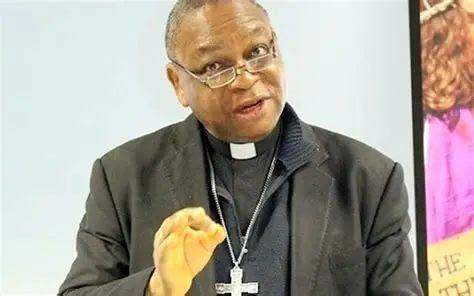
Dalung’s remarks come amid the controversy sparked by comments from Cardinal John Onaiyekan, who echoed concerns raised by Catholic bishops over insecurity, poverty and governance, drawing sharp reactions from some presidential supporters.
In a statement issued on Monday, the former minister argued that the Presidency’s contrasting responses to recent interventions by prominent Christian leaders reflected a double standard.

He noted that while Pastor Enoch Adeboye was widely applauded after defending the Tinubu administration on insecurity, Cardinal Onaiyekan’s remarks prompted attempts to question his motives instead of addressing the issues he raised.
According to Dalung, governments that surround themselves with voices of approval risk losing touch with the realities confronting citizens.
“A nation is not governed by applause but by the courage to confront uncomfortable truths,” he said.
He maintained that the focus should not be on whether Onaiyekan supports or opposes the government but on the substance of his concerns.
“The real question is why those in power seem more interested in discrediting those who raise concerns than in addressing the concerns themselves,” Dalung stated.
The former minister also dismissed suggestions that the cardinal’s comments were politically motivated, arguing that Onaiyekan has consistently spoken on governance, justice, corruption, insecurity and national unity under successive administrations.
He recalled that the Catholic cleric was equally vocal during the administrations of former Presidents Goodluck Jonathan and Muhammadu Buhari, saying his interventions have long reflected a commitment to national issues rather than partisan interests.
Dalung further argued that a government confident in its achievements should welcome scrutiny and respond to criticism with facts instead of attacking the credibility of those expressing dissenting views.
He also defended the constitutional right of religious leaders to comment on national affairs, insisting that freedom of expression should not depend on whether opinions favour those in power.
According to him, democracy thrives when leaders tolerate opposing views and engage constructive criticism, warning that reducing every critical voice to partisan politics could weaken public confidence in governance.