


By Abdulkarim Abdulmalik
Nigeria’s religious diversity has always been both a remarkable national asset and a recurring test of its collective capacity to coexist peacefully. With Islam and Christianity constituting the country’s two dominant religions, alongside traditional religious practices and other belief systems, the country has an enduring responsibility to demonstrate that religious differences need not become sources of hostility, suspicion or violence.
Yet, the tragic assassination of Sheikh Yahaya Ibrahim Masussuka in Katsina State on October 26, 2026, has once again brought the fragile condition of religious tolerance in Nigeria into sharp focus. His death is not merely another disturbing incident in the country’s troubled security landscape. It raises fundamental questions about freedom of religious expression, ideological intolerance, the safety of religious minorities within religious communities and the future of interfaith coexistence.
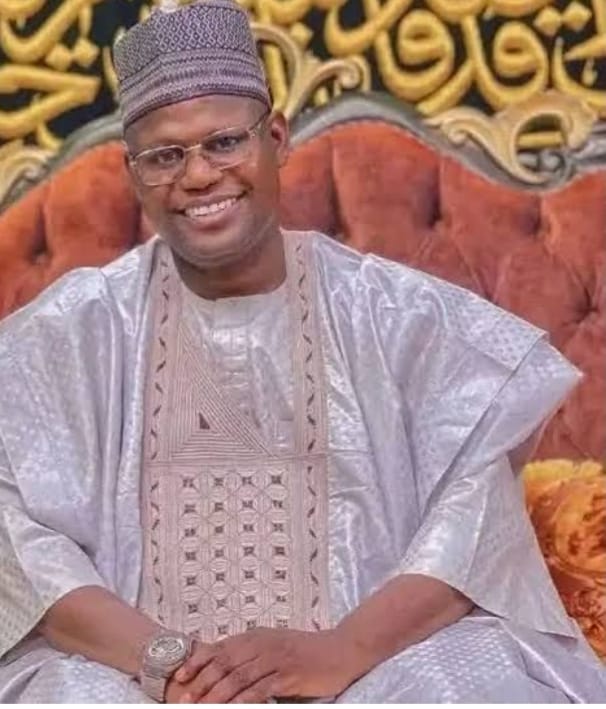
Sheikh Masussuka, an Islamic cleric based in Dutsin-Ma Local Government Area of Katsina State, was reportedly shot dead alongside his associate, Adamu Abubakar, by unidentified gunmen outside his residence. The Katsina State Police Command confirmed the incident and announced the commencement of investigations.

More disturbing are reports that the extremist group Ansaru subsequently claimed responsibility for the killing, reportedly accusing the cleric of opposing its interpretation of Islamic teachings. The circumstances and motive must, however, be established through a credible investigation rather than speculation.
What makes the incident particularly troubling is Masussuka’s reported commitment to peaceful coexistence and interfaith understanding. He was known for advocating religious tolerance and speaking against violent extremism and radicalisation.
His reported commitment to dialogue makes his killing a painful contradiction of the very principles that religious institutions ought to protect.
When Religious Disagreement Becomes Dangerous
One of Nigeria’s greatest challenges is the growing tendency among some religious adherents to interpret theological disagreement as a justification for hostility.
Religion, which should inspire compassion, humility, moral responsibility and respect for human dignity, can become vulnerable to manipulation when individuals or groups claim exclusive ownership of religious truth and regard alternative interpretations as threats.
It is important to distinguish between legitimate theological disagreement and religious intolerance.
Islam, Christianity and other religious traditions have internal differences concerning doctrines, interpretations, leadership and religious practices. Such disagreements are neither unusual nor inherently dangerous. Indeed, intellectual debate and theological engagement have historically contributed to the development of religious scholarship.
The danger begins when disagreement is transformed into intimidation, threats, discrimination or violence.
Nobody should lose the right to live because of an interpretation of religion, a theological position or an advocacy for peaceful relations with people of another faith.
Nigeria cannot afford an environment where religious scholars must calculate the personal risks of speaking against extremism or promoting peaceful coexistence.
The Tragedy of Silencing Voices of Moderation
Masussuka’s death also highlights the vulnerability of moderate religious voices in an increasingly polarised environment.
Across Nigeria, religious leaders have enormous influence over public attitudes, community relationships and perceptions of national developments. Their sermons can encourage compassion and understanding, but they can equally contribute to suspicion and division when manipulated by extremist ideologies.
This places an enormous responsibility on religious leadership.
Muslim scholars must consistently communicate that extremism and the deliberate targeting of innocent people cannot be justified through religious rhetoric. Christian leaders equally have a responsibility to challenge prejudice, demonisation and retaliatory narratives within their communities.
The objective should not be to eliminate theological differences but to establish a society in which differences can be expressed without fear.
The reported claim of responsibility by Ansaru makes the incident particularly significant. If established through investigation, it would reinforce concerns about extremist groups targeting individuals whose religious positions challenge their ideology.
However, the authorities must establish the circumstances of the killing, including whether other grievances or actors were involved. Justice requires evidence, not assumptions.
Nigeria’s Interfaith Relationship Needs More than Occasional Dialogue
Nigeria has witnessed numerous interfaith conferences, peace declarations, religious celebrations and public appeals for tolerance.
Organisations such as the Nigerian Inter-Religious Council (NIREC), comprising Muslim and Christian representatives, have contributed to national conversations on religious understanding and peaceful coexistence.
Nevertheless, the Masussuka tragedy demonstrates that dialogue must extend beyond ceremonial gatherings and occasional statements.
Interfaith engagement should become a continuous community-based process involving religious institutions, traditional rulers, government officials, security agencies, journalists, women and young people.
There is also a need to recognise that religious tolerance is not exclusively the responsibility of Muslims and Christians. Traditional religious communities and Nigerians who do not identify with organised religion must equally enjoy freedom of conscience and protection against discrimination.

A genuinely tolerant society does not demand that everyone believes the same thing. It guarantees that people can peacefully maintain different beliefs without intimidation.
Government Must Move Beyond Condemnation
President Bola Ahmed Tinubu condemned the killing and directed security agencies to intensify investigations and ensure that those responsible are apprehended.
Katsina State Governor, Dikko Umaru Radda, also condemned the incident and called for justice.
These reactions are necessary, but Nigerians need more than expressions of sympathy. They need credible investigations, accountability and preventive measures.
Particularly concerning are reports that Masussuka had previously complained about threats arising from religious disagreements. Premium Times reported that the Katsina State Government had acknowledged complaints involving threats against the cleric in November 2025.
Although there is presently no established evidence connecting those earlier disputes to his eventual killing, the reported history raises important questions about how authorities respond to threats against vulnerable religious figures.
Government must develop effective mechanisms for receiving, assessing and responding to credible threats against religious leaders and peace advocates.
Religious freedom cannot be guaranteed through constitutional declarations alone. It requires institutions capable of protecting citizens irrespective of their religious affiliations or theological positions.
The Mass media Must Refuse to Become an Instrument of Division
The Nigerian media also has an important responsibility.
In an environment where religious misinformation can spread rapidly through social media, journalists must distinguish verified information from rumours, allegations and ideological propaganda.
The assassination must not become an opportunity for collective blame against Muslims, Christians or particular religious organisations.
The actions of extremist individuals or groups must never be presented as representative of an entire religious community.
Responsible journalism should investigate the circumstances surrounding the killing, examine the implications for religious freedom and provide platforms for credible voices advocating peaceful coexistence.
The media must also challenge narratives that portray interfaith cooperation as religious compromise or betrayal.
Peace journalism is not about suppressing uncomfortable facts. It is about reporting them responsibly without unnecessarily inflaming existing tensions.
The Message Nigeria Must Take from Masussuka’s Death
There is a profound lesson in this tragedy: religious tolerance is not measured by how comfortably people coexist when they share the same beliefs. It is measured by how respectfully they treat those with whom they disagree.
The Qur’an offers an enduring principle in Surah Al-Mumtahanah 60:8, which encourages kindness and justice towards those who do not fight Muslims because of their religion or drive them from their homes.
Similarly, Jesus Christ’s teaching in Matthew 5:9 declares that blessed are those who make peace.
These teachings, despite their different religious contexts, affirm the importance of peaceful human relationships.
Nigeria must therefore reject the dangerous proposition that religious conviction requires hostility towards people of different beliefs or interpretations.
The assassination of Sheikh Yahaya Ibrahim Masussuka should become a defining moment in the country’s renewed commitment to religious freedom, ideological tolerance and peaceful coexistence.
His death must not be used to deepen divisions or encourage revenge. Instead, it should strengthen the determination of religious leaders, government institutions, civil society organisations and the media to confront extremism and defend the dignity of every Nigerian.
Ultimately, the greatest tribute Nigeria can pay to Masussuka is not another round of condemnations or sympathy statements. It is the creation of a society where religious scholars, irrespective of their theological orientations, can preach their convictions, engage in peaceful disagreement and promote interfaith understanding without fearing for their lives.
A Nigeria where people are killed for what they believe, teach or advocate is a Nigeria in danger of losing its moral foundation. Religious tolerance must therefore cease to be a slogan at conferences and become a lived national value.
Indeed, the strength of a nation is not determined by the uniformity of its beliefs, but by its ability to protect the rights and dignity of people who believe differently.
– Abdulkarim Abdulmalik is Chairman, Governing Board, Guild of Interfaith Media Practitioners Nigeria (GIMP-Nigeria). Email: info@interfaithmediaguild.org; interfaithmediaguild@gmail.com