
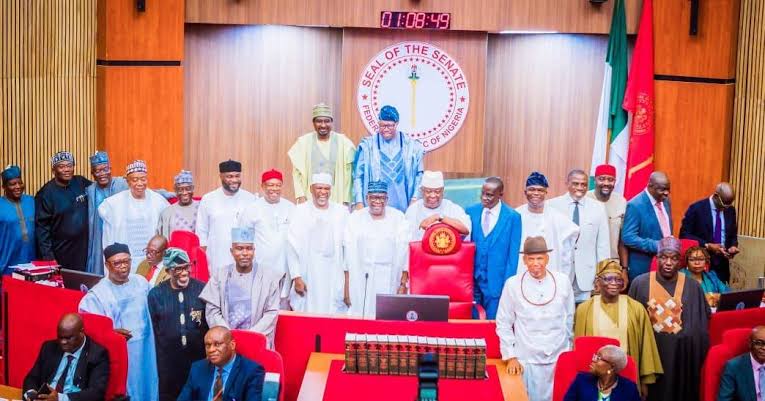


The Senate on Tuesday resisted calls for sweeping retaliatory measures against South Africa despite widespread outrage over renewed xenophobic attacks on Nigerians, rejecting proposals to nationalise South African businesses and sever diplomatic relations pending further investigation.
The upper chamber, however, unanimously condemned the attacks and directed its Committee on Foreign Affairs to investigate the crisis and report back within two legislative weeks, signaling a preference for diplomacy over confrontation.
The debate, sparked by a motion sponsored by Senator Asuquo Ekpenyong (Cross River South), exposed sharp divisions among lawmakers over how Nigeria should respond to reports of intimidation, displacement, looting and attacks against Nigerians and other African nationals in South Africa.


While senators such as Adams Oshiomhole (Edo North) and Abdul Ningi (Bauchi Central) pushed for tough economic and diplomatic reprisals, Senate leadership led by Deputy Senate President Barau Jibrin urged restraint, warning against actions that could worsen bilateral relations before the full facts were established.
In one of the most dramatic moments of the debate, Oshiomhole proposed that Nigeria nationalise South African-owned businesses operating in the country and use the proceeds to compensate Nigerians who suffered losses in the attacks. Ningi, on his part, urged Nigeria to consider severing diplomatic relations with Pretoria if the attacks persisted.
Both proposals were stepped down after appeals from the Senate leadership, which insisted that the Foreign Affairs Committee first investigate the developments and examine claims that the violence may be linked to broader political tensions within South Africa.
The Senate eventually adopted a series of resolutions condemning the attacks, demanding stronger protection for Nigerians in South Africa, seeking compensation for victims, and calling on the Federal Government to engage the African Union and other affected countries in developing mechanisms to prevent future xenophobic violence.