
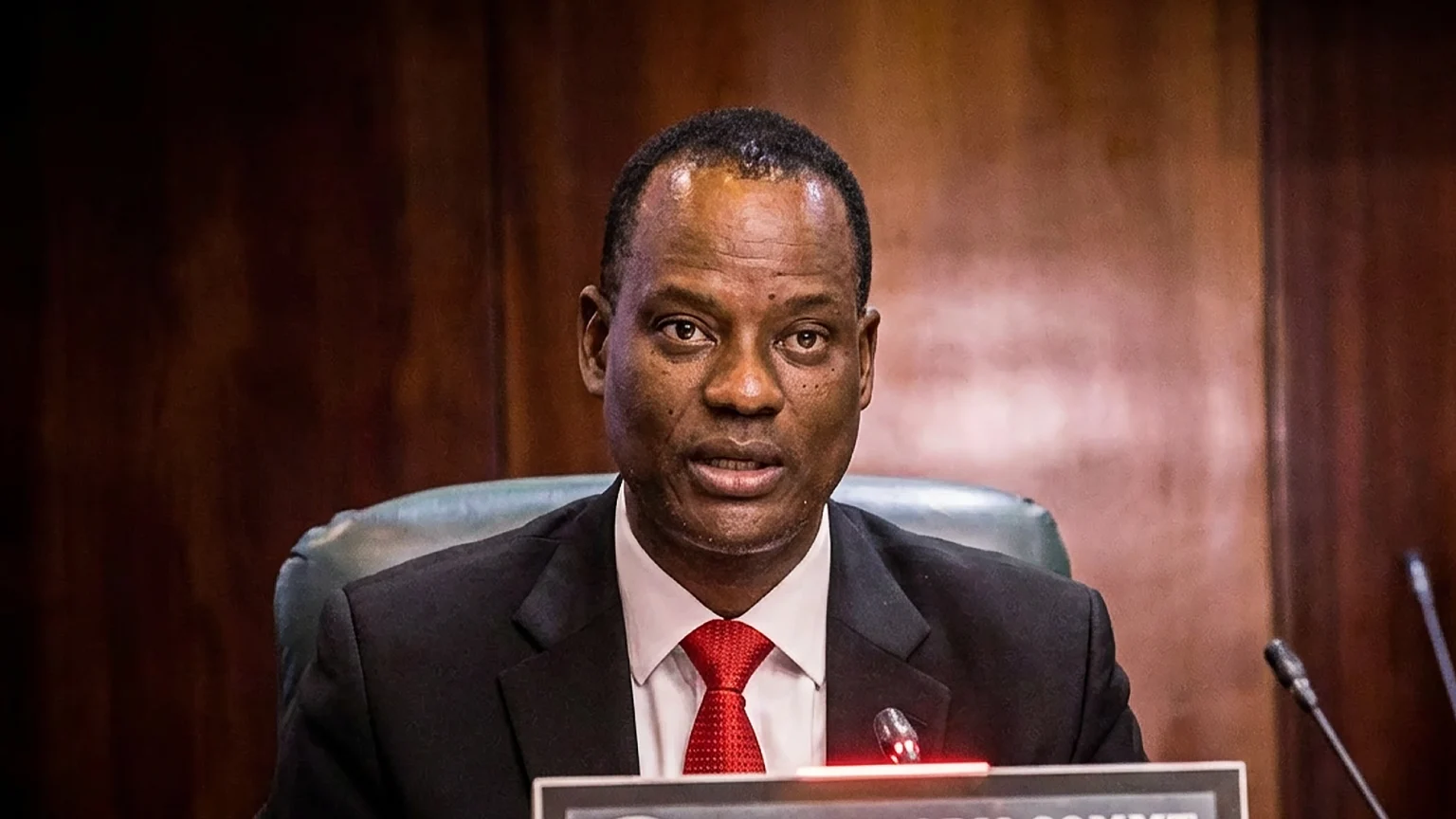
 Taiwo Ayedele

The Human Rights Writers Association of Nigeria (HURIWA) has called for an independent investigation into claims that about ₦8.8 trillion in public expenditure was incurred outside Nigeria’s fiscal plan, even as the Federal Government dismissed the allegation, insisting it operates no “shadow budget.”
The advocacy group, in a statement on Sunday, urged anti-corruption agencies and the National Assembly to investigate the expenditure flagged in the International Monetary Fund’s (IMF) 2026 Article IV Consultation report, arguing that the allegations, if established, would amount to one of the gravest breaches of public finance management in the country’s history.
HURIWA also called for the prosecution of any public officials found culpable and the recovery of any public funds established to have been diverted.
The group expressed concern over what it described as reports that public expenditure equivalent to about two per cent of Nigeria’s Gross Domestic Product (GDP), estimated at over ₦8.8 trillion, was not reflected in the approved fiscal framework.
However, the Federal Government rejected the interpretation of the IMF report, saying the allegations misrepresented the country’s public finance system.
In a statement issued by the Minister of Finance and Coordinating Minister of the Economy, Taiwo Oyedele, the government insisted that it neither operates a shadow budget nor spends public funds outside the constitutional and statutory framework.
According to Oyedele, all Federal Government expenditures are authorised through Appropriation Acts, Supplementary Appropriation Acts, statutory transfers and other lawful mechanisms approved by the National Assembly.
He explained that the IMF’s observations related primarily to differences in fiscal reporting, presentation and statistical classification under international standards rather than allegations of unlawful expenditure.
“The Federal Government does not operate a shadow budget or expend public funds outside the constitutional and statutory framework established for public finance,” the minister said, adding that capital rollovers, statutory transfers, debt service obligations and intervention programmes are recognised features of public financial management.
He maintained that it was inaccurate to suggest trillions of naira had been secretly spent outside legislative approval, stressing that such claims should be backed by evidence identifying specific projects allegedly executed without appropriation.
Oyedele further said President Bola Tinubu had already initiated reforms aimed at improving fiscal transparency, including a proposal to harmonise multiple budgets into a single framework to align Nigeria’s budget presentation with international reporting standards.
Despite the government’s explanation, HURIWA insisted the issues raised by the IMF warranted independent scrutiny in the interest of transparency and accountability.
The group argued that Nigerians deserve clarity on the discrepancy highlighted in the IMF report and urged oversight institutions to establish whether the variance reflected reporting methodology, as explained by the government, or pointed to deeper weaknesses in fiscal governance.
The organisation said an open and credible investigation would help strengthen public confidence in Nigeria’s financial management system while reinforcing accountability in the use of public resources.