


Nigeria’s ambition to achieve self-sufficiency in milk production came under renewed focus on Tuesday as stakeholders in the dairy value chain called for stronger sub-national participation, warning that national progress will remain limited without decisive action from state and local governments.
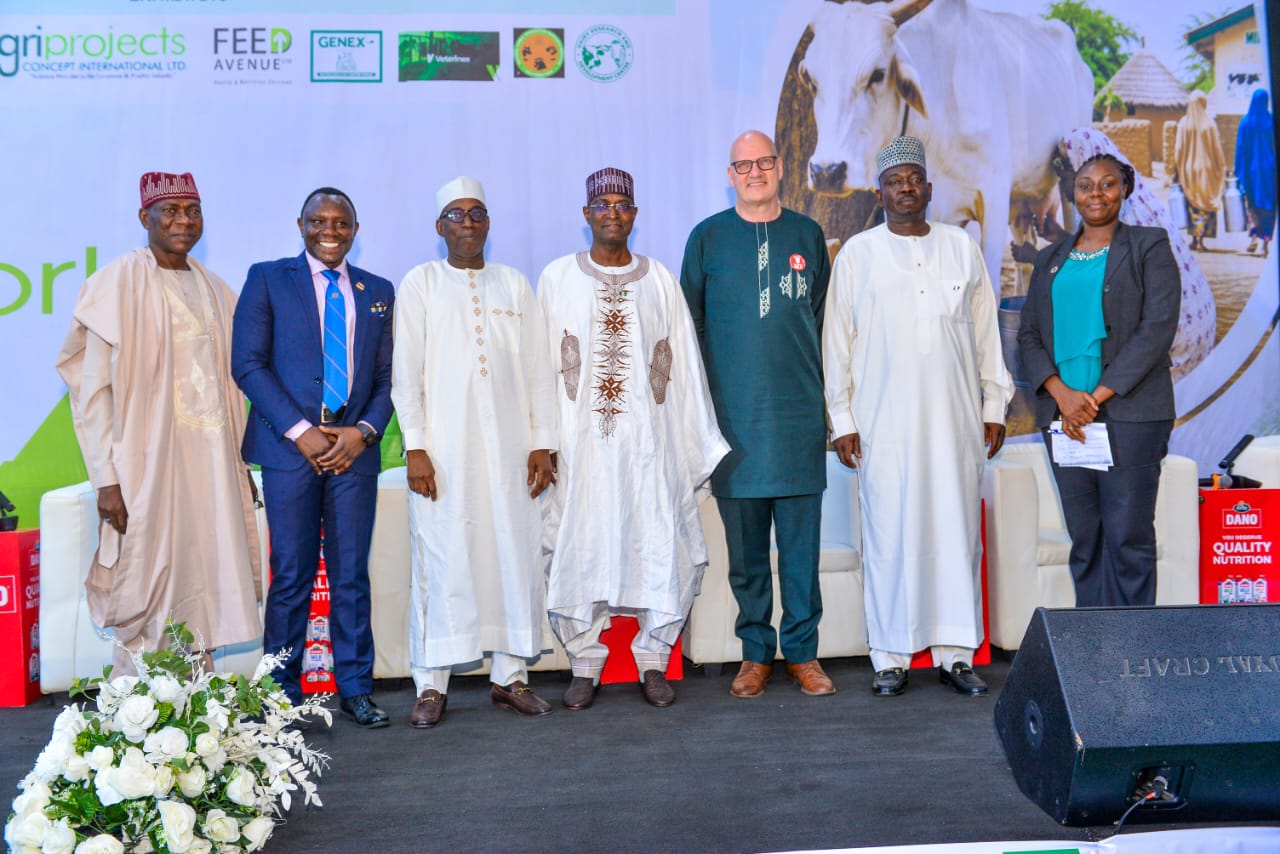
The call formed the central message of a high-level panel session themed “Mainstreaming Dairy Development Policy at the Sub-National Level for Self-Sufficiency: Opportunities, Challenges and the Way Forward,” which brought together leading experts, policymakers, and industry operators in Abuja.
The session examined structural gaps in Nigeria’s dairy ecosystem and explored how policy, research, investment and private sector engagement could be better aligned to unlock local production potential.
Delivering a key presentation, dairy expert and Acting Director of the TETFund Centre of Excellence on Dairy Research and Development, Abubakar Tafawa Balewa University, Bauchi, Prof. Demo Kalla, said Nigeria’s dairy transformation depends heavily on sub-national governments taking ownership of the sector.
He explained that mainstreaming dairy development at state and local government levels requires more than policy awareness, but deliberate integration into planning frameworks, annual budgets, investment promotion strategies, and rural economic development programmes.
According to him, treating dairy as a federal-level livestock initiative alone has limited impact because actual milk production takes place in rural communities where farmers operate.
“The missing link between Nigeria’s enormous livestock potential and dairy self-sufficiency is implementation at the sub-national level,” he said.
Prof. Kalla stressed that states must domesticate the National Dairy Policy and develop clear frameworks capable of attracting private sector investment into milk production, aggregation, processing, and distribution.
He further described dairy as a “strategic economic sector” capable of driving rural transformation, improving nutrition, creating employment opportunities, and reducing Nigeria’s dependence on imported dairy products.
The panel heard that beyond agriculture, dairy development represents a wider economic transformation agenda with direct implications for food security and public health.
Prof. Kalla noted that milk is not only a commodity but a “super food” essential for addressing nutrition deficits, especially among children and vulnerable populations.
He added that if properly developed, the dairy sector could conserve foreign exchange currently spent on imported milk powder while strengthening rural economies through job creation and smallholder empowerment.
He emphasized that some states have already begun taking steps in the right direction, but said such efforts must be expanded, standardized, and supported through coordinated national and sub-national policies.
A major focus of the session was the role of knowledge institutions in driving innovation and strengthening Nigeria’s dairy value chain.
Prof. Kalla said universities, research institutes, and extension service providers must serve as the backbone of the sector by generating solutions tailored to local realities.
He noted that the responsibility of these institutions should extend beyond academic output to include active engagement with farmers, cooperatives, processors, and government agencies.
He outlined three critical areas of intervention, beginning with innovation and adaptive research aimed at developing practical solutions that respond directly to local production challenges across the dairy value chain. He also emphasized the importance of technology transfer, stressing the need to ensure that research outputs do not remain in laboratories but are effectively delivered to farmers through demonstration farms, field schools, and digital platforms that make knowledge accessible at the grassroots. In addition, he highlighted capacity building as a key pillar, focusing on equipping farmers and other industry actors with modern dairy production skills needed to improve productivity, efficiency, and overall sector competitiveness.

He warned that research that does not reach the farm gate risks remaining irrelevant to the sector’s real challenges.
“The dairy industry we desire will not emerge from infrastructure alone. It will be built on knowledge, innovation, skills, and strong partnerships,” he said.
Private Sector and Government Collaboration Emphasized
Other panelists included Mr Snorri Sigurdsson, Head of Raw Milk Production at Arla Foods Nigeria; Dr Ishaq Bello, Special Adviser to the Minister of Livestock Development; Mr Brighton Ochieng, Chief Technical Officer at Promasidor Nigeria; and Hon. Adamu Mammagi Abdullahi, Commissioner for Livestock Development, Niger State.
They collectively emphasized the importance of coordinated action between government, private sector investors, development partners, and research institutions.
The stakeholders noted that without improved collaboration, investment gaps, weak infrastructure, and fragmented policy implementation could continue to slow sectoral growth.
Call for Stronger National Coordination
Prof. Kalla also urged the Federal Ministry of Livestock Development to strengthen its coordinating role by creating a more structured platform for stakeholder engagement across all levels of the dairy value chain.
He said such coordination would help align policy direction, improve investment confidence, and accelerate the country’s journey toward dairy self-sufficiency.
He further stressed the importance of prioritizing local farmers and indigenous enterprises as the foundation of a sustainable dairy ecosystem.
“The future of Nigeria’s dairy industry lies not in importing more milk powder, but in deliberately investing in our local farmers, strengthening indigenous enterprises, and building resilient institutions,” he said.
Toward a Dairy-Led Rural Economy
The session concluded with a shared consensus that Nigeria’s dairy future will be determined by how effectively policies are translated into action at the community level.
Stakeholders agreed that while federal policies provide direction, real transformation will depend on state-driven implementation, private sector investment, and strong research-industry linkages.
The session was moderated by Radio Nigeria presenter Rita Ene Okwanihe.