
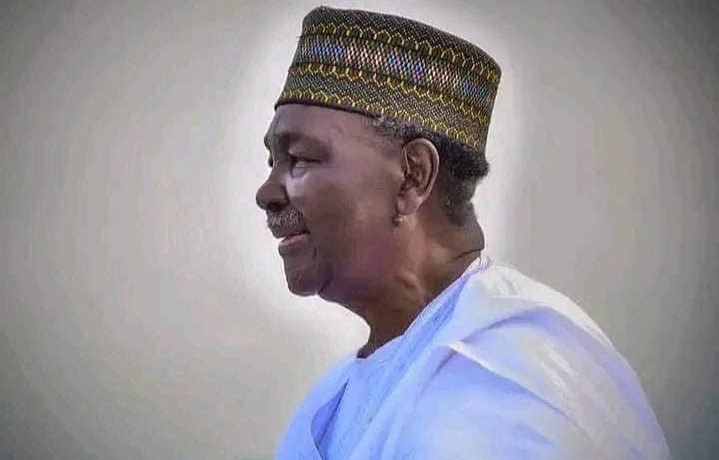

Former Nigerian Head of State, Yakubu Gowon, has revealed that many northern military officers believed Chukwuemeka Odumegwu Ojukwu played a role in the January 1966 coup and were prepared to move against him in the tense period that followed Nigeria’s first military takeover.
The revelation is contained in Gowon’s memoir, My Life of Duty and Allegiance, unveiled in Abuja on Tuesday.
In the book, Gowon revisits the political crisis triggered by the January 1966 coup led by a group of young military officers, most of whom were of Igbo origin. The coup claimed the lives of several prominent political and military leaders, including then Prime Minister Abubakar Tafawa Balewa, Northern Premier Ahmadu Bello, Western Region Premier Samuel Ladoke Akintola and Finance Minister Festus Okotie-Eboh.
Senior northern military officer, Brigadier Zakariya Maimalari, alongside several other northern officers, was also killed during the uprising.
Although the coup failed, it reshaped Nigeria’s political landscape and paved the way for Major General Johnson Aguiyi-Ironsi to emerge as Head of State. Rising tensions and suspicions after the coup later culminated in the July 1966 counter-coup in which Ironsi was assassinated.
Gowon, who later emerged as Head of State following the counter-coup, disclosed that Ojukwu opposed his emergence and insisted that Brigadier Babafemi Ogundipe, who was senior to him, should have succeeded Ironsi.
According to Gowon, Ojukwu refused to recognise his leadership despite efforts to build a working relationship with him.
“Ojukwu refused my offer of friendship. By extension, he wilfully refused to recognise my leadership,” Gowon wrote, adding that Ojukwu believed military seniority should have determined Ironsi’s successor.
The former military ruler, however, said Ojukwu failed to appreciate the deep suspicion against him among northern officers after the January 1966 coup.
“He failed to appreciate that he had been under serious threat because the young Northern officers believed he was complicit in the January 15, 1966 coup,” Gowon stated.
Gowon said he personally intervened to prevent any move against Ojukwu despite mounting pressure, insisting he saw him as a colleague with whom he hoped to stabilise the country and rebuild the army.
He also explained that despite resistance from some Yoruba officers, Ogundipe was eventually moved out of the military command structure and appointed Nigeria’s High Commissioner to the United Kingdom with the support of the British government.
Gowon described his decision to retain Ojukwu as governor of the Eastern Region as “altogether altruistic,” though he admitted later events made it appear to have been a mistake.
Relations between both men later worsened as ethnic tensions and reprisals against Igbos escalated across Northern Nigeria.
In May 1967, Ojukwu declared the secession of Biafra, triggering Nigeria’s civil war which lasted 30 months before ending in January 1970 with Biafra’s surrender to the Federal Military Government.