
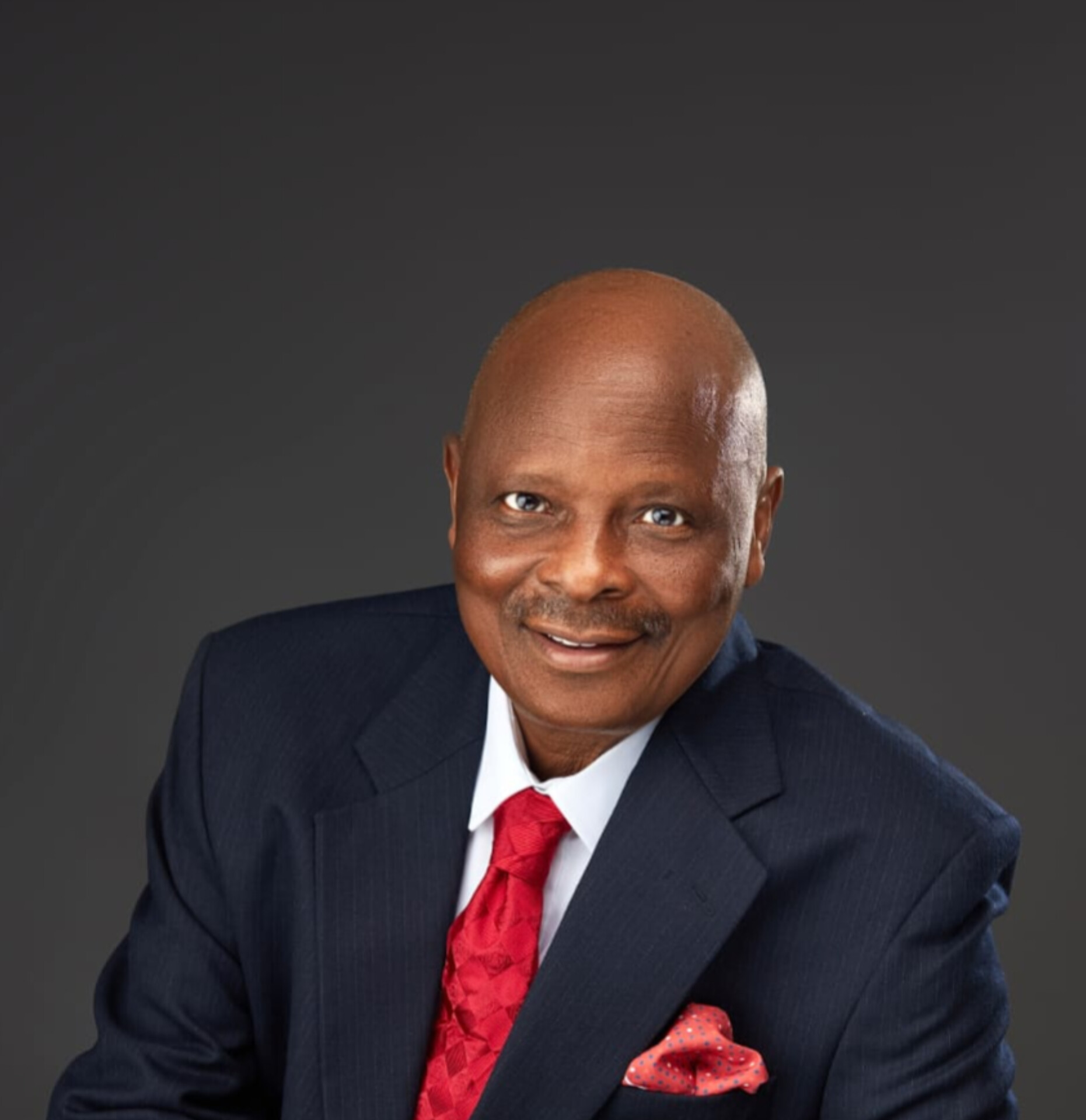
 Rabiu Musa Kwankwaso

By Abdulkadir Ahmed Ibrahim, FNGE. (Kwakwatawa)
Politics, like life, rarely moves in straight line. It bends, it twists, and at times, it humbles even the most confident actors. What once appeared firm becomes fluid, and what was seemed as a betrayal yesterday is today looked at as a wisdom.
The unfolding political journey of Ex (two terms) Governor of Kano State and former Minister of Defence, Senator Rabiu Musa Kwankwaso and the incumbent Kano State Governor, Abba Kabir Yusuf, presents a defining moment that invites reflection on leadership, responsibility, and the burden of political choices.

There was a time in not too distant past when Governor Abba Kabir Yusuf made a bold political decision to step away from the New Nigeria Peoples Party, NNPP, and joined the All Progressives Congress, APC. That decision was, as expected, greeted with sharp criticism, mostly from his, ostensibly believed, political boss and mentor, Rabi’u Kwankwaso, who described the move in harsh terms.
For many of Kwankwaso’s political supporters and followers of his Kwankwasiyya movement, Governor Abba Yusuf”s change of political platform was a rupture of trust and a departure from a shared vision that had once energized a movement.
Yet, time has a way of revealing truth in layers. Today, the same Rabi’u Kwankwaso has taken a similar path, departing the NNPP for the African Democratic Congress, ADC. This development raises unavoidable questions about consistency, judgment, and the weight of earlier pronouncements.
It is difficult to overlook the contradiction. When a leader condemns a decision only to later embrace the same course, it signals a troubling inconsistency. Leadership demands clarity and firmness of purpose. It calls for alignment between words and actions. In this regard, Kwankwaso’s recent move appears less like a calculated strategy and more like a reluctant adjustment to realities he once dismissed.
More significantly, his current political standing no longer carries the commanding influence it once did. The aura of dominance that defined his earlier years has faded, replaced by a presence that struggles to inspire the same level of confidence or followership. In practical terms, he now appears diminished in weight, a figure whose voice no longer shapes the political direction as it once did.
This reality sharpens the contrast with Abba Kabir Yusuf. Unlike the shifting posture we now witness, Abba’s earlier decision reflects the discipline of a thoughtful strategist and the mindset of a leader guided by duty. He did not act out of impulse or fleeting ambition. He acted with a clear sense of direction, prioritizing the stability and progress of the people he serves.
His alignment with the All Progressives Congress, APC, was not a retreat, but a deliberate repositioning. It was the decision of a leader who understands that governance thrives on structure, access, and strategic partnerships.
In many ways, Abba Kabir Yusuf has demonstrated the qualities of a vigilant protector of public interest, a political figure who approaches leadership with foresight, discipline, and a deep rooted sense of national responsibility.
There is something profoundly patriotic in that approach. It reflects a leader who looks beyond personal loyalties and focuses on collective advancement. While others appear caught in cycles of reaction, Abba chose to define his path early, expanding opportunities for governance and ensuring that his administration remains connected to the levers of national development.
Governor Abba Yusuf”s Kano First Agenda (that kicked out a Movement’s policy of obeying and fulfilling the Personal Wishes and Desires of an Individual) has taken off with many salient socioeconomic development programmes and projects that are critical to his commitment of building a new Kano State.

This is now possible because of the absence of unnecessary distraction from certain quarters on what to and what not do. Kano State Government is no longer remotely controlled. The elected Chief Executive is fully in charge, discharging his responsibilities with the best of his abilities.
A prolific Writer, Good Governance Advocate and Public policy Analyst, Tijjani Sarki, recently opined that, “Kano State is witnessing a defining moment of hope and purposeful leadership”. He described Governor Abba Kabir Yusuf’s recent engagement with members of the National Assembly representing the state, as a welcome development that signals more than political dialogue.
“It represents a deliberate and focused effort to turn unity into transformative development for millions of Kano citizens’. “Amid significant political realignments, including Governor Abba Yusuf’s resignation from the New Nigeria Peoples Party (NNPP) alongside multiple officials, the governor has sent a clear message: the welfare of Kano’s people must rise above partisan considerations. This cooperation opens the door for strategic alignment between the state executive and Kano’s federal legislators, creating a historic opportunity to accelerate projects that will shape the state’s economic and social future”.
Kwankwaso’s departure from the NNPP, by contrast, carries the imprint of delayed judgment. It suggests a leader responding to circumstances rather than shaping them. While his past contributions remain part of the political record, his present trajectory raises difficult questions about relevance and influence.
A leader who once commanded a movement now finds himself searching for footing within another platform, without the same authority or clarity of purpose.
In politics, timing often separates foresight from regret. To act early is to lead. To act late is to follow. Abba Kabir Yusuf acted when it was difficult, when criticism was loud, and when the path ahead was uncertain. Today, that decision stands validated, not by words, but by unfolding reality.
For any politician seeking dignity and respect, consistency remains essential. It is built through clarity of vision, courage in decision making, and the ability to stand by one’s choices even under pressure. Abba’s journey reflects these qualities. He absorbed criticism without retreat, maintained focus, and allowed time to affirm the strength of his judgment.
The broader lesson here is clear. Political leadership is not sustained by past glory alone. It requires continuous relevance, sound judgment, and the ability to anticipate change. Those who fail to adapt in time risk becoming shadows of their former selves, remembered more for what they were than for what they are.
In the final analysis, the contrast is unmistakable. Abba Kabir Yusuf stands as a leader defined by foresight, discipline, and a strong sense of duty to the people.
His decision was not only strategic, but rooted in a desire to serve effectively and responsibly. He represents stability, clarity, and purposeful leadership.
As the political compass turns once again, one truth remains constant. Leadership is not measured by past acclaim, but by present clarity and future direction. In this moment, Abba Kabir Yusuf’s actions stand as a clear expression of foresight and responsible leadership, while others are left to navigate the consequences of choices made too late.
Abdulkadir Ahmed Ibrahim, FNGE (Kwakwatawa), a Veteran Journalist and Media Consultant, wrote from Kano City.