
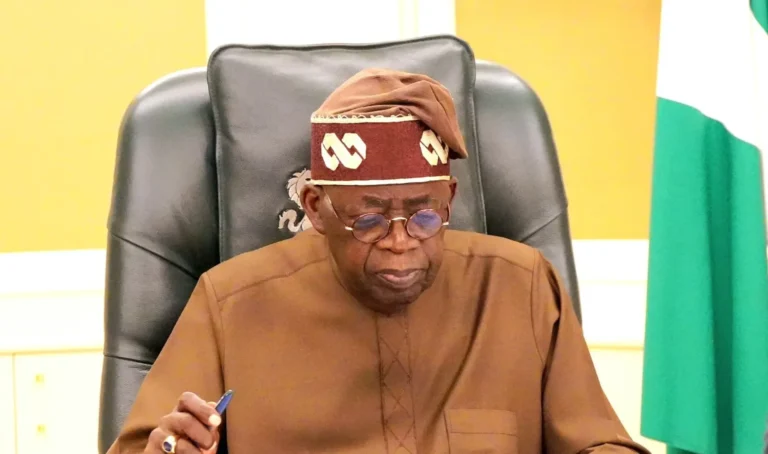
 Bola Tunubu


President Bola Ahmed Tinubu’s approval of a ₦3.3 trillion debt settlement for Nigeria’s power sector is being framed as a decisive intervention—but beyond the headline figure lies a deeper question: can money alone fix a system long crippled by structural inefficiencies?
At its core, the plan seeks to clear a decade of accumulated debts owed to power generation companies, many of which have struggled under liquidity constraints that limit their ability to produce electricity consistently. By settling these obligations, the government hopes to restore confidence, unlock investment, and stabilise supply.
But analysts say the move is as much about trust as it is about cash.
For years, the sector has operated in a cycle of underperformance—GenCos unable to generate optimally due to unpaid debts, gas suppliers reluctant to supply without guarantees, and distribution companies battling revenue shortfalls. The result has been a fragile value chain where one weak link disrupts the entire system.
This intervention attempts to break that cycle.
With ₦501 billion already mobilised and part of it disbursed, the government is signalling urgency. Yet, the real test will be whether this financial reset is accompanied by sustained reforms—especially in metering, tariff discipline, and accountability across the distribution segment, where revenue losses remain significant.
The Tinubu administration appears to recognise this. By linking the debt settlement to broader reforms—such as service-based tariffs and improved metering—it is positioning the programme as a long-term restructuring effort rather than a one-off bailout.
Still, skepticism persists.
Critics argue that previous interventions in the power sector have followed a similar pattern: large financial injections without corresponding structural discipline, leading to recurring crises. Without strict enforcement of market rules and transparency, they warn, the current effort risks becoming another expensive stopgap.
There is also the question of equity. With public funds being used to settle private sector debts, Nigerians will expect tangible improvements—more reliable electricity, fewer outages, and better service delivery. Anything short of that could deepen public frustration.
Yet, if executed effectively, the programme could mark a turning point.
Reliable electricity has long been Nigeria’s missing link—constraining businesses, inflating production costs, and limiting economic growth. A stable power sector could unlock industrial expansion, support small businesses, and improve everyday life.
For now, the ₦3.3 trillion intervention represents both an opportunity and a risk: an opportunity to reset a broken system, and a risk if the deeper reforms needed to sustain it are not fully delivered.
In the end, the success of the plan will not be measured by the size of the funds committed—but by whether Nigerians finally experience consistent, dependable power.