
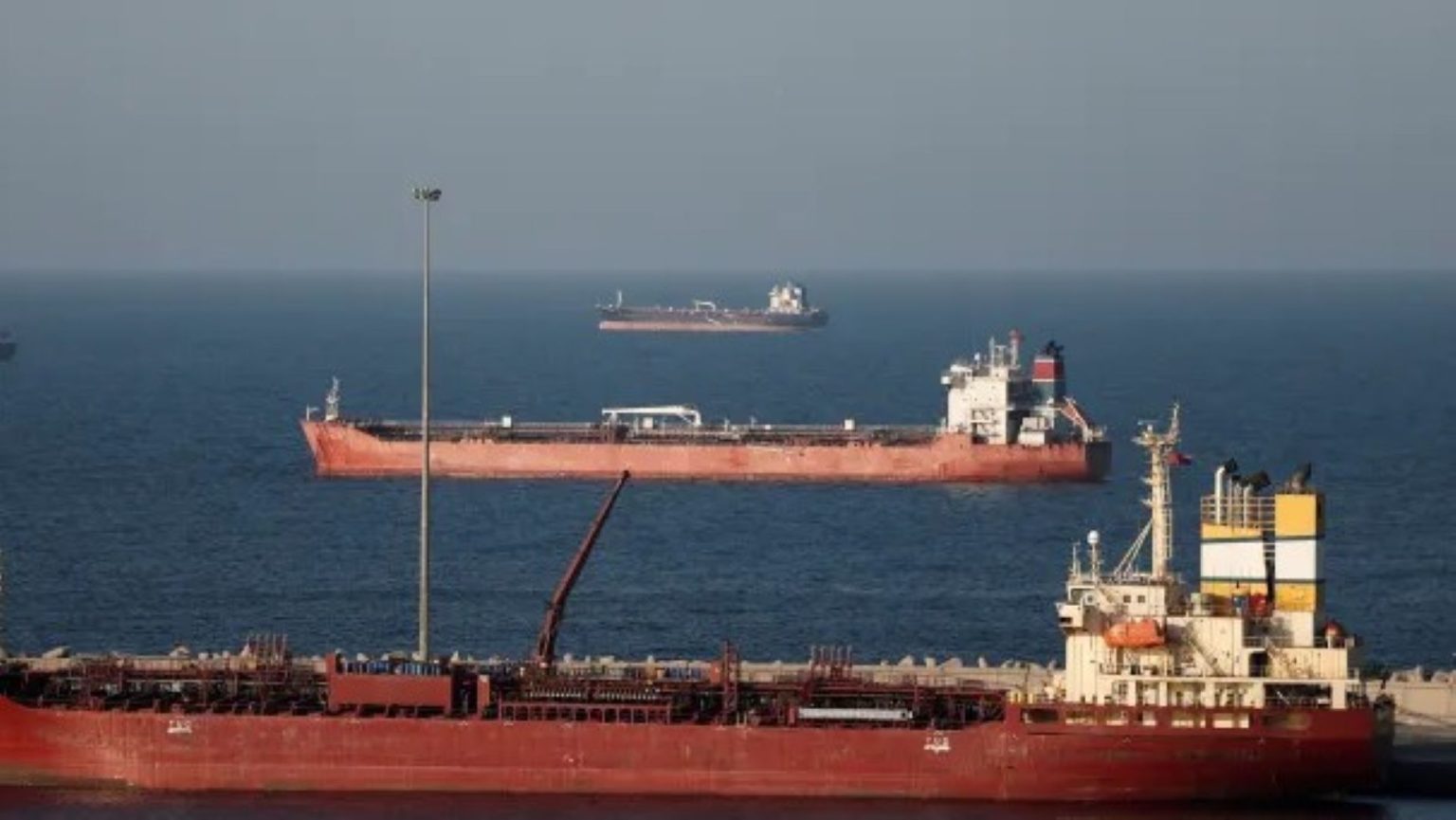
 Start of Hormuz

Escalating tensions between Iran and the United States over the strategic Strait of Hormuz have jolted global oil markets—but for Nigeria, the unfolding crisis may present a rare and timely economic advantage.
With Brent crude surging past $100 per barrel amid fears of supply disruption, the stakes are high. The Hormuz corridor, through which roughly a fifth of global oil flows, is too critical to ignore. Any sustained restriction instantly tightens supply, driving prices upward—and placing oil-exporting nations like Nigeria in a potentially stronger financial position.
Unlike previous cycles, however, Nigeria now has a more credible pathway to convert price gains into real economic benefit.
First, the revenue upside is immediate. Higher oil prices translate into stronger export earnings, improved foreign reserves, and enhanced fiscal capacity. This gives the government room to fund critical infrastructure, stabilise the naira, and ease budget deficits without excessive borrowing.
Second, ongoing reforms in the oil sector are beginning to yield results. Efforts to curb crude theft and improve pipeline security are gradually restoring confidence, while collaboration with international partners is helping to stabilise output. If these measures hold, Nigeria could edge closer to meeting benchmarks set by OPEC, allowing it to fully leverage the price rally.
Perhaps most importantly, Nigeria’s refining landscape is evolving. The operational ramp-up of the Dangote Refinery signals a structural shift—one that could shield the domestic economy from the usual inflationary shock of rising global fuel prices. By refining more crude locally, Nigeria stands to retain more value within its borders while reducing dependence on imports.
The geopolitical drama—fuelled by hardline rhetoric from Donald Trump and retaliatory signals from Tehran—remains volatile. But volatility, in this case, is not purely a risk; it is also leverage.
If Nigeria moves decisively—boosting production, securing infrastructure, and accelerating energy sector reforms—the Hormuz crisis could mark more than a temporary spike in oil prices. It could become a turning point, offering the country a chance to strengthen its fiscal position and build resilience against future shocks.
In a world rattled by uncertainty, Nigeria’s opportunity lies in preparation. The oil is already valuable—the question is whether the country is ready, this time, to make the most of it.