
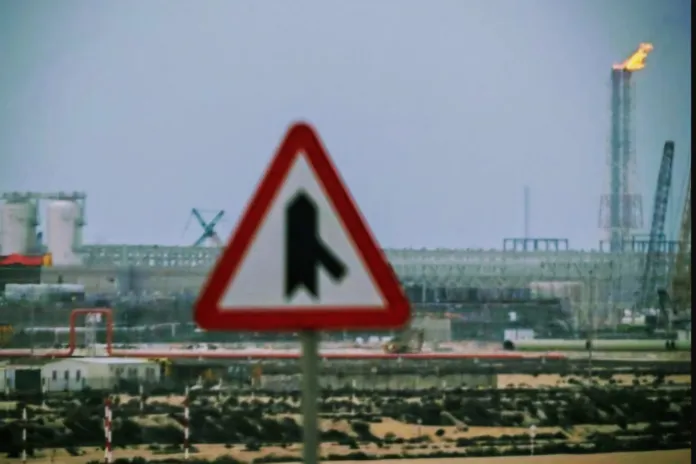

A major escalation in Middle East tensions unfolded after Iran reportedly launched strikes on the Ras Laffan Industrial City in Qatar, home to one of the world’s largest liquefied natural gas (LNG) facilities.
The development has raised serious concerns about global energy stability, as the facility is operated by QatarEnergy, a key player in international gas supply.
According to reports, missiles struck the industrial zone, triggering fires and causing significant damage to parts of the terminal. While the incident prompted alarm, authorities confirmed that all personnel were safe and no casualties were recorded at the time of reporting.
The attack is believed to be linked to escalating regional tensions involving Iran and Israel, following prior strikes on energy infrastructure in the region.
The government of Qatar condemned the strike, describing it as a blatant violation of its sovereignty and a dangerous escalation that threatens regional peace and stability. Officials also indicated that the country reserves the right to respond appropriately.
Iran Responds, Warns of Wider Consequences
In response, Iranian leadership defended its actions as retaliation for earlier attacks on its energy infrastructure, warning that continued aggression could trigger broader and unpredictable repercussions.
Iranian authorities cautioned that targeting critical infrastructure risks destabilizing not only the region but also global markets dependent on energy exports.
The incident has intensified fears of a wider conflict in the Gulf region, particularly given the strategic importance of LNG exports from Qatar, which plays a central role in global energy supply chains.
Analysts warn that any sustained disruption to production or shipping routes could have ripple effects on energy prices and economic stability worldwide.
The escalation comes amid a series of retaliatory exchanges involving Iran and Israel, with neighboring countries increasing defensive measures. Reports also indicate heightened air defense activity in parts of the Gulf, including interception of incoming projectiles near Saudi Arabia.
With both diplomatic and military tensions rising, international observers are urging restraint and renewed dialogue to prevent further escalation that could impact global security and energy markets.