
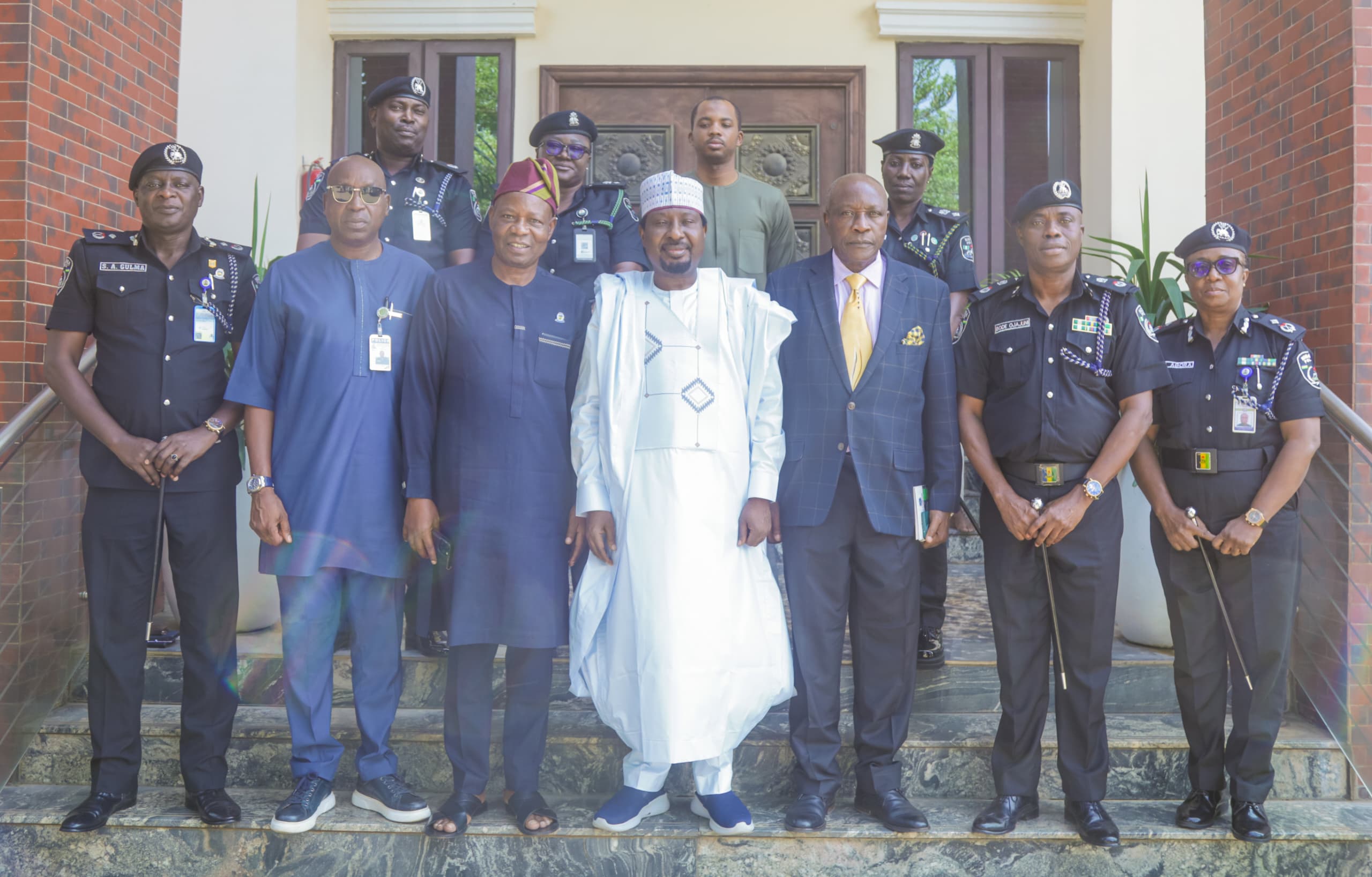

The move to establish state police in Nigeria gained fresh momentum on Tuesday, as Deputy President of the Senate, Barau I. Jibrin, assured that citizens’ concerns would be central to the final framework.
Barau gave the assurance in Abuja while receiving members of a steering committee set up by the Nigeria Police Force to develop a roadmap for state policing. The committee, inaugurated on March 4, 2026, by the Inspector-General of Police, Olatunji Disu, is tasked with designing a structure to guide the establishment and operation of state police across the country.
Led by its chairman, Olu Ogunsakin, the delegation briefed the Deputy Senate President on its mandate and sought legislative input to strengthen its recommendations.
Responding, Barau—who also chairs the Senate Committee on the review of the 1999 Constitution of Nigeria—stressed that the success of state policing would hinge on transparency, accountability, and public trust.
He noted that many Nigerians had expressed reservations during recent constitutional amendment hearings, underscoring the need for a system that prevents abuse while guaranteeing safety.
“We must build a structure that not only enhances security but also addresses the fears of our people,” he said, adding that sustained public enlightenment would be key to the reform’s acceptance.
Barau also commended the police leadership for aligning the initiative with the security agenda of President Bola Ahmed Tinubu.
The proposed constitutional amendment seeks to formally establish state and community police as part of broader efforts to strengthen local security, improve response times, and deepen community participation in law enforcement.
Earlier, the Senate committee conducted zonal public hearings across the six geopolitical zones, drawing contributions from a wide range of stakeholders.
The latest engagement highlights growing synergy between the legislature and law enforcement authorities, as Nigeria intensifies efforts to adopt decentralised policing as a solution to its persistent security challenges.