

In Kogi State, the journey to a hospital, school, market, or government office remains a daily struggle for many citizens—an issue civil society experts say is rooted in years of underinvestment in transportation infrastructure.
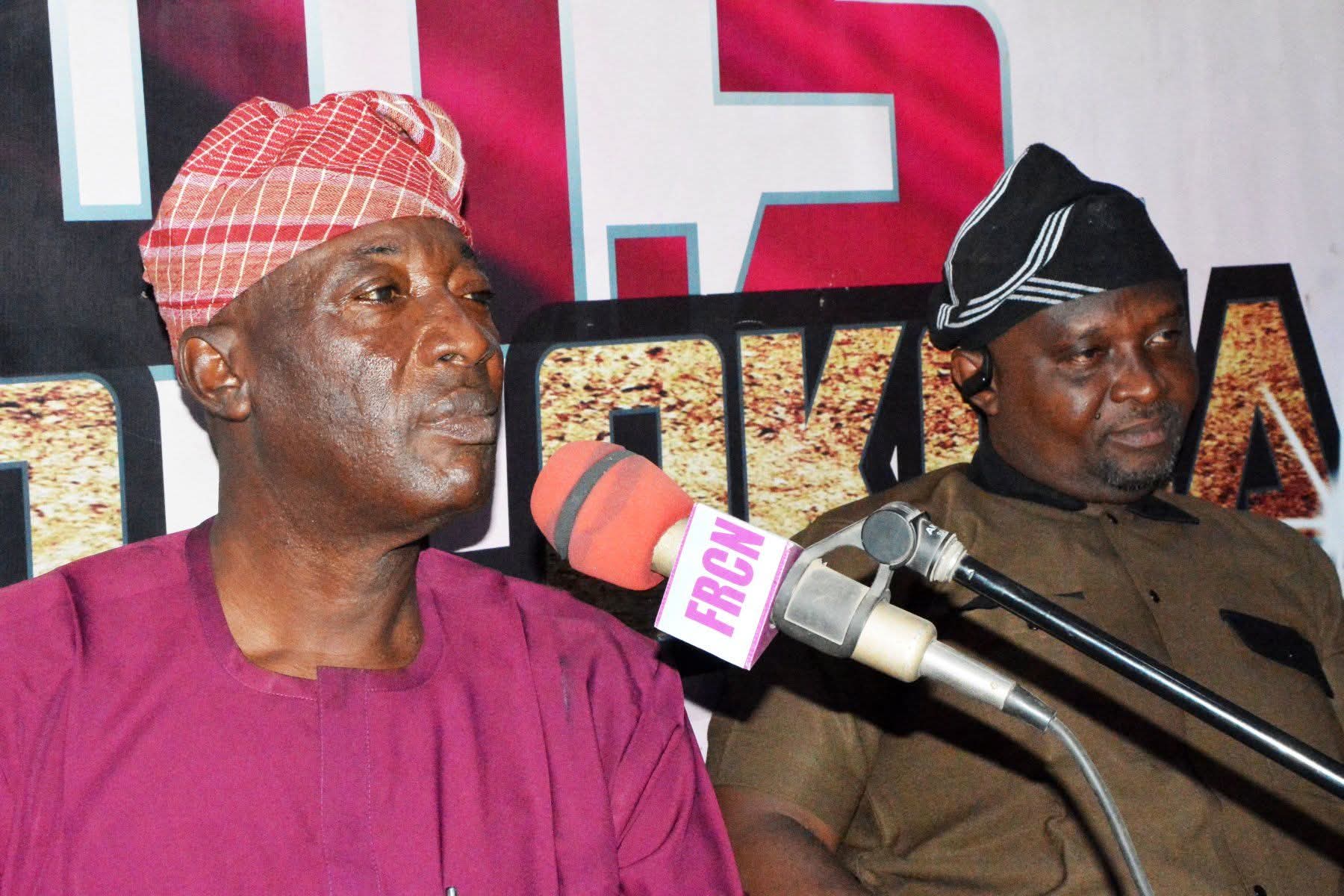
This concern formed the centrepiece of discussions during Episode 18 of the Open Governance Forum (OGF), a weekly radio programme aired on January 5, 2026, and organised by the Initiative for Grassroots Advancement in Nigeria (INGRA-Nigeria) in collaboration with the Conscience for Human Rights and Conflict Resolution (CHRCR), with support from Situation Room/FCDO Nigeria.
Speaking on the programme, civil society leaders argued that transportation is more than a physical network of roads and vehicles—it is the invisible link that connects citizens to opportunity, safety, and public services. When transport systems fail, they noted, access to healthcare, education, security, and economic livelihoods is severely restricted, particularly for rural and low-income communities.
The programme featured Mr. Hamza Aliyu, Executive Director of INGRA-Nigeria, and Comrade Idris Miliki, Executive Director of CHRCR, who both described transportation infrastructure as a defining measure of governance effectiveness.
According to the discussants, poor road conditions, limited rural connectivity, high transport costs, and weak maintenance culture continue to frustrate citizens and undermine service delivery across the state. They noted that these challenges often force residents to spend excessive time and resources just to access basic services, deepening inequality and social exclusion.
The speakers also drew attention to the gap between government transportation policies and the realities on ground. While transport plans and infrastructure commitments are frequently announced, they said implementation remains inconsistent due to inadequate funding, weak oversight, and limited citizen participation in project planning and monitoring.
They stressed that without reliable transport networks, government investments in healthcare, education, and agriculture risk yielding limited results, as citizens are unable to reach these services when needed.
The experts urged the Kogi State Government to treat transportation infrastructure as a social investment rather than a political project by prioritising rural road connectivity, enforcing regular maintenance, ensuring transparent use of public funds, and actively engaging citizens in decision-making processes.
They concluded that improving transportation infrastructure would not only ease daily hardship for citizens but also strengthen trust in governance and unlock broader economic and social development across Kogi State.