
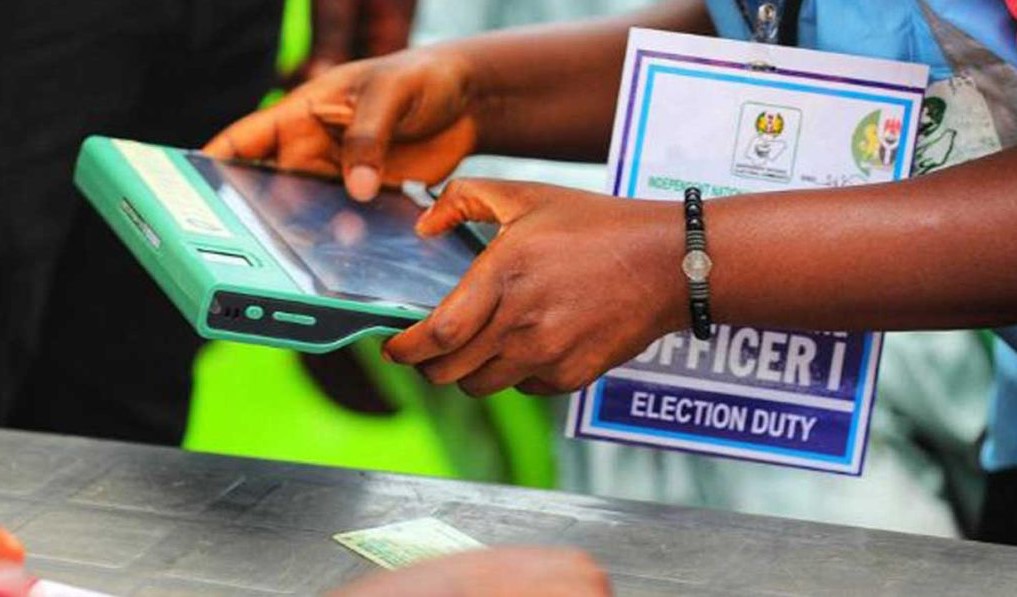


The Independent National Electoral Commission (INEC) says it is developing an artificial intelligence system to detect discrepancies in polling unit results before they are uploaded to its Result Viewing Portal (IReV), ahead of the 2027 general elections.
The proposed system will compare figures recorded on the Bimodal Voter Accreditation System (BVAS) with scanned polling unit result sheets to identify inconsistencies before transmission.
INEC’s Director of Information and Communication Technology, Dr Lawrence Bayode, disclosed this in Abuja during the launch of the AI4Elections Hackathon initiative organised by Rise Networks.

Bayode said the technology would use intelligent document processing to digitise polling unit result sheets and conduct consistency checks, with the aim of preventing results containing discrepancies from being uploaded to IReV.
He said the initiative was intended to improve accuracy, reduce human errors and strengthen transparency in the electoral process.
According to him, INEC is also exploring the use of AI for voter information services, electoral data management, operational efficiency and the detection of misinformation.
“AI is not merely a subject for discussion. We are moving from conversation to practical application while maintaining human oversight, accountability and appropriate safeguards,” Bayode said.
He disclosed that the commission had established an Artificial Intelligence Division within its ICT Department as part of efforts to promote the responsible adoption of the technology.
Bayode added that INEC adopted an election technology policy on September 25, 2025, providing a framework for assessing and deploying electoral technologies.

He said the commission was developing an additional framework to guide the responsible deployment of AI, although the process was still ongoing.
The proposed system comes as preparations intensify for the 2027 elections, with the credibility of result transmission and public confidence in the electoral process remaining critical concerns.
However, the effectiveness of the technology will depend on its accuracy, transparency, safeguards against manipulation and the procedures for resolving discrepancies flagged by the system.
INEC has yet to provide details on when the AI verification system will become fully operational or how disputed results would be handled when the technology identifies inconsistencies.
Meanwhile, the Chief Executive of Rise Networks, Dr Toyosi Akerele-Ogunsiji, said the AI4Elections Hackathon had brought together stakeholders, including INEC, Meta, Google and Microsoft, to encourage technology-driven solutions to electoral challenges.
She described the initiative as a nonpartisan programme designed to bring together developers, researchers, electoral experts, universities and civil society organisations to develop responsible AI solutions for the 2027 elections and beyond.
Akerele-Ogunsiji said the programme would operate through three components: a hackathon for developing solutions, a development hub for testing and refining promising innovations, and a community of practice for continued collaboration.
She said the initiative would also address risks associated with AI, including synthetic media, misinformation, privacy breaches, cybersecurity threats and the manipulation of information.
The programme is expected to encourage innovations that improve access to electoral information, bridge language barriers and make election-related services more accessible to persons with disabilities.