

The Tinubu administration is moving to turn Nigeria’s vast livestock resources into a major economic engine, betting on an industry long dominated by subsistence production to deliver food security, millions of jobs, rural prosperity and new investment opportunities.
The Federal Government’s livestock reform drive is seeking to transform the sector from a fragmented agricultural activity into a commercially integrated industry capable of competing for space in regional and global markets.
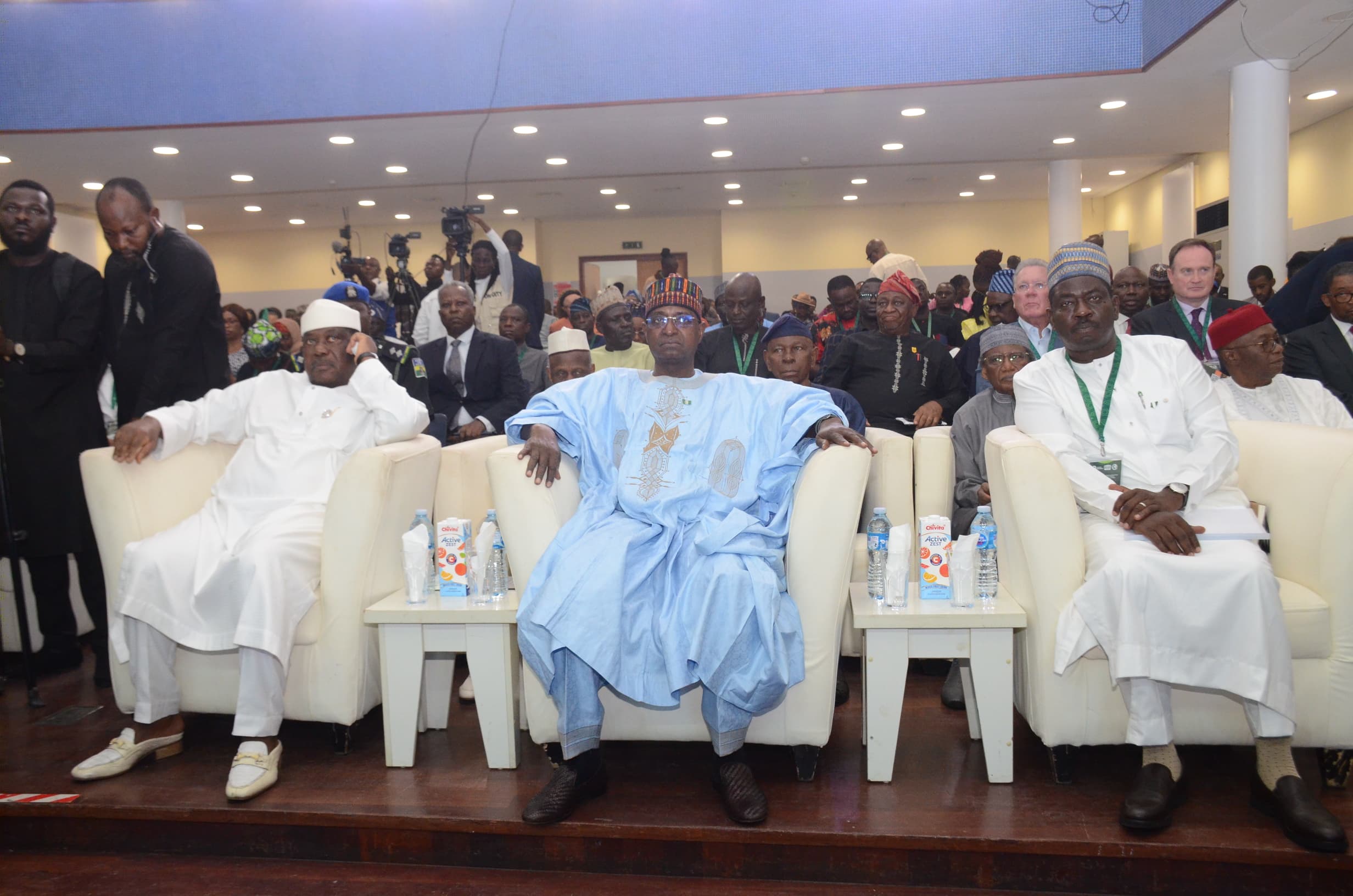
The Special Adviser to President Bola Ahmed Tinubu on Livestock Development and Co-Chair of the Presidential Livestock Reforms Implementation Committee, Prof. Attahiru M. Jega, OFR, made the case for the transformation at the 9th All Africa Conference on Animal Agriculture.

Jega, represented by Prof. D. J. U. Kalla, said Africa could no longer afford to treat livestock as a peripheral component of agriculture when the sector remains deeply connected to food, nutrition, employment, trade and rural livelihoods.
With the conference themed “Repositioning Animal Agriculture for Africa’s Food Security and Global Competitiveness,” stakeholders examined how the continent can move from merely possessing enormous livestock resources to extracting substantial economic value from them.
Jega said the livestock economy extends far beyond the production of cattle, sheep, goats, camels and poultry, describing it as a vast economic chain encompassing breeding, animal health, feed and forage production, water, transportation, processing, marketing and value addition.
«“Livestock is therefore not a peripheral component of African agriculture; it is a prime mover and fulcrum of inclusive economic transformation,” he said.»
From potential to profit
At the heart of the Federal Government’s reform agenda is a fundamental change in the way Nigeria approaches livestock production.
Jega said the country must move “from subsistence to productivity, from fragmentation to value-chain integration, and from potential to investment and competitiveness.”
That shift, he said, would require sustained investment in improved genetics, animal health, feed and forage, water infrastructure, research and innovation, processing, transportation and market development.
The objective is to ensure that increased livestock production does not stop at the farm gate but feeds into a value chain capable of generating higher incomes for farmers and pastoralists while creating opportunities for processors, traders, transporters and investors.
Africa sitting on biological wealth
Jega said the continent already possesses the livestock resources needed to build a globally competitive animal agriculture industry.
What is missing, he argued, is the infrastructure, investment, technology and value-chain integration required to convert that biological wealth into economic prosperity.
«“Africa has the livestock resources. Our task is to convert this biological wealth into nutritious food, decent jobs, resilient livelihoods and globally competitive enterprises,” he said.»
He called for stronger collaboration among governments, investors, researchers, farmers and other stakeholders, urging them to move beyond conferences and policy pronouncements towards partnerships that deliver measurable results.
For Nigeria, the livestock push comes at a critical point in the government’s economic diversification drive, as the country grapples with food inflation, unemployment, weak rural economies and heavy dependence on imports to satisfy growing demand for animal protein.
‘Africa must feed Africa’
Jega said Africa’s growing population and rising demand for animal protein made the development of its livestock industry an economic necessity rather than a policy option.
He urged governments across the continent to build stronger domestic food systems and place animal agriculture at the centre of their food-security strategies.
«“Africa must feed Africa—and animal agriculture must be at the fulcrum of that transformation,” he declared.»
He challenged participants at the conference to translate discussions into investment, partnerships and concrete commitments, stressing that policies and research would remain meaningless if they failed to improve productivity and incomes across the livestock value chain.
The Federal Government’s ambition is therefore bigger than increasing the number of animals produced in Nigeria. It is to build an industry around them—one capable of supplying affordable food, creating jobs, supporting rural communities, attracting capital and opening Nigeria to a larger share of the regional and global livestock market.
For a country endowed with enormous livestock resources but still importing significant quantities of animal products, the reform agenda presents a defining economic question: can Nigeria finally turn its livestock wealth from untapped potential into a productive national asset?