

The mystery surrounding the embattled Presidential Foreign Intervention Promotion Council (PFIPC) deepened on Thursday as the House of Representatives questioned how the names of President Bola Tinubu and some of the most powerful officials in his administration appeared on documents identifying them as members of the council’s governing board.
The question is at the heart of an ongoing investigation into how the organisation operated within the federal government environment, obtained official vehicle number plates and presented itself as a legitimate government institution before its status was challenged.
The House ad hoc committee investigating the PFIPC confronted the Corps Marshal of the Federal Road Safety Corps (FRSC), Shehu Mohammed, over the agency’s approval of seven number plates for vehicles linked to the organisation.
Committee Chairman, Yusuf Gagdi, said the documents submitted by the PFIPC contained warning signs that should have triggered a higher level of scrutiny.
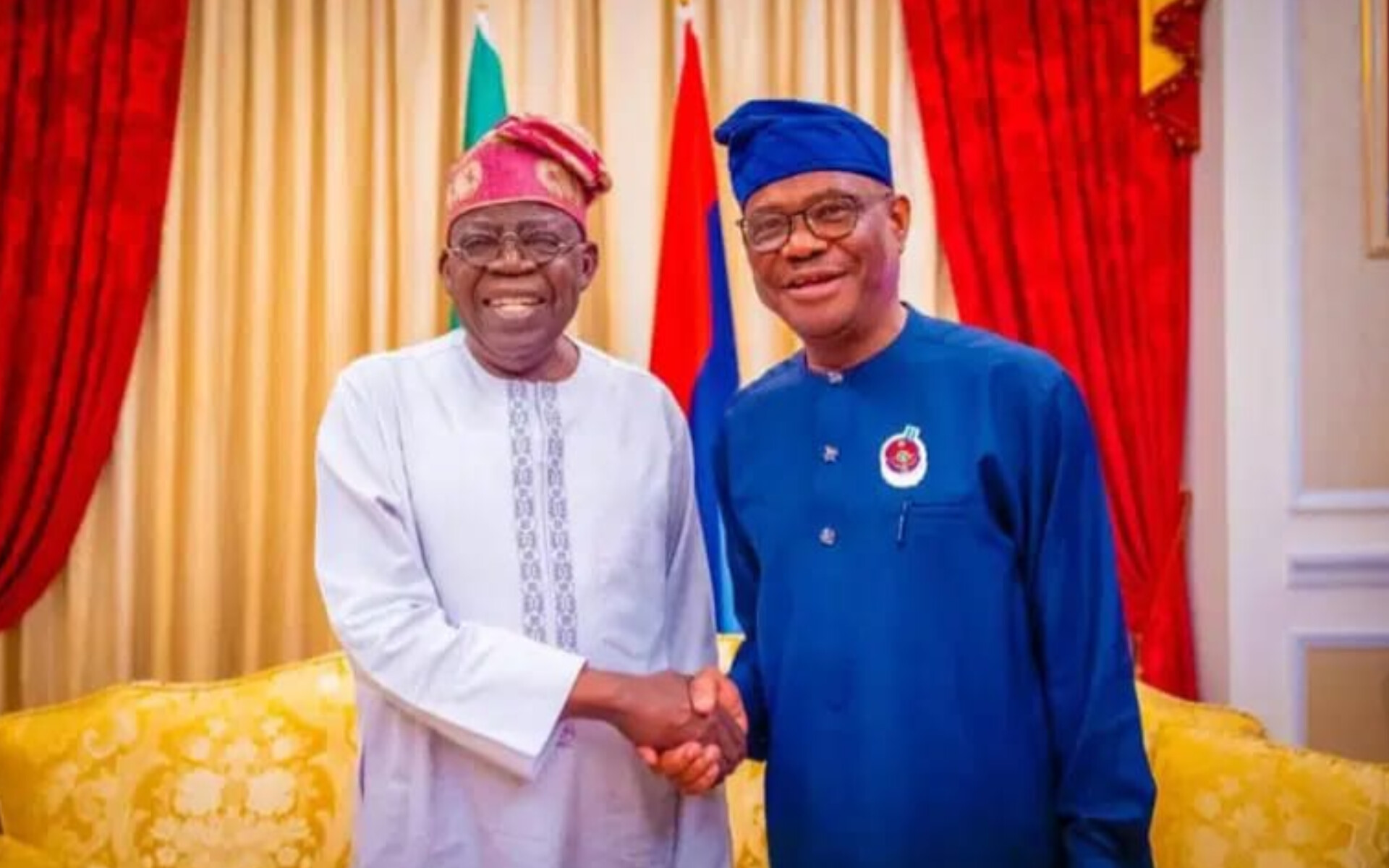
Among the most startling was a purported governing board list bearing the names of President Tinubu; Secretary to the Government of the Federation, George Akume; FCT Minister, Nyesom Wike; the Head of the Civil Service of the Federation; the Governor of the Central Bank of Nigeria; the Attorney-General of the Federation; and several ministers.
The list also allegedly included ministers responsible for finance, aviation, agriculture and food security, interior, budget and national planning, marine and blue economy, police affairs, transport, works and power.
For Gagdi, the sheer composition of the alleged board should have set off alarm bells.
Why, he asked, would the President and virtually the entire architecture of the Federal Government appear as members of the governing board of an organisation whose official status had not been independently established?
And why did the document not trigger direct verification with the Presidency or other relevant government authorities?
“We are trying to expose the leakages so that agencies can close these gaps going forward. It is not to indict anybody,” Gagdi told the hearing.
He also questioned why the FRSC accepted a purported mandate from the organisation despite alleged deficiencies in its official documentation and security features.
But Mohammed insisted that the FRSC did not simply take the PFIPC at face value.
According to him, the agency received the organisation’s application on April 4, 2025, followed by a reminder dated April 11. Both were signed by Prince Adeyemi Adeniyi.
The documents presented the PFIPC as a government-backed organisation, detailing its purported mandate, governing structure and vehicles for which official number plates were being sought.
The FRSC then checked the PFIPC website and visited its office at the Federal Secretariat Complex in Abuja.
The website’s use of a federal government domain, coupled with the physical presence of an office within the Federal Secretariat, created what Mohammed described as the impression that the PFIPC was a genuine federal institution.
The agency also verified the chassis numbers of the vehicles before approving the seven number plates.
But the façade eventually unravelled.
Mohammed told lawmakers that the FRSC was later surprised to discover that the PFIPC was not an authorised federal government agency.
The agency has since begun retrieving the official number plates issued to the organisation and reviewing its verification procedures.
The revelations have added fresh questions to a controversy already shadowed by allegations of impersonation, institutional lapses and competing claims of official backing.
The ICPC has recommended the prosecution of Adeniyi, who allegedly operated the PFIPC.
Adeniyi had claimed that his appointment was issued by Femi Gbajabiamila, Chief of Staff to President Tinubu. Gbajabiamila has denied the allegation.
The ICPC cleared the Presidency and the Central Bank of Nigeria of wrongdoing but identified institutional weaknesses across several government offices and agencies, including the offices of the SGF, Head of the Civil Service, Accountant-General of the Federation, Budget Office and NITDA.
But the House hearing has pushed the controversy into another territory.
The central question is no longer simply how a disputed organisation obtained government-looking documents, an office and official number plates.
It is this:
Who put the names of the President and senior members of his government on the PFIPC’s alleged governing board—and how did that document make its way through the machinery of government without being stopped?
Until that question is answered, the PFIPC controversy is unlikely to disappear.