

Political leaders have called for stronger democratic participation, national unity and greater respect for Nigeria’s electoral processes as the country prepares for future elections.
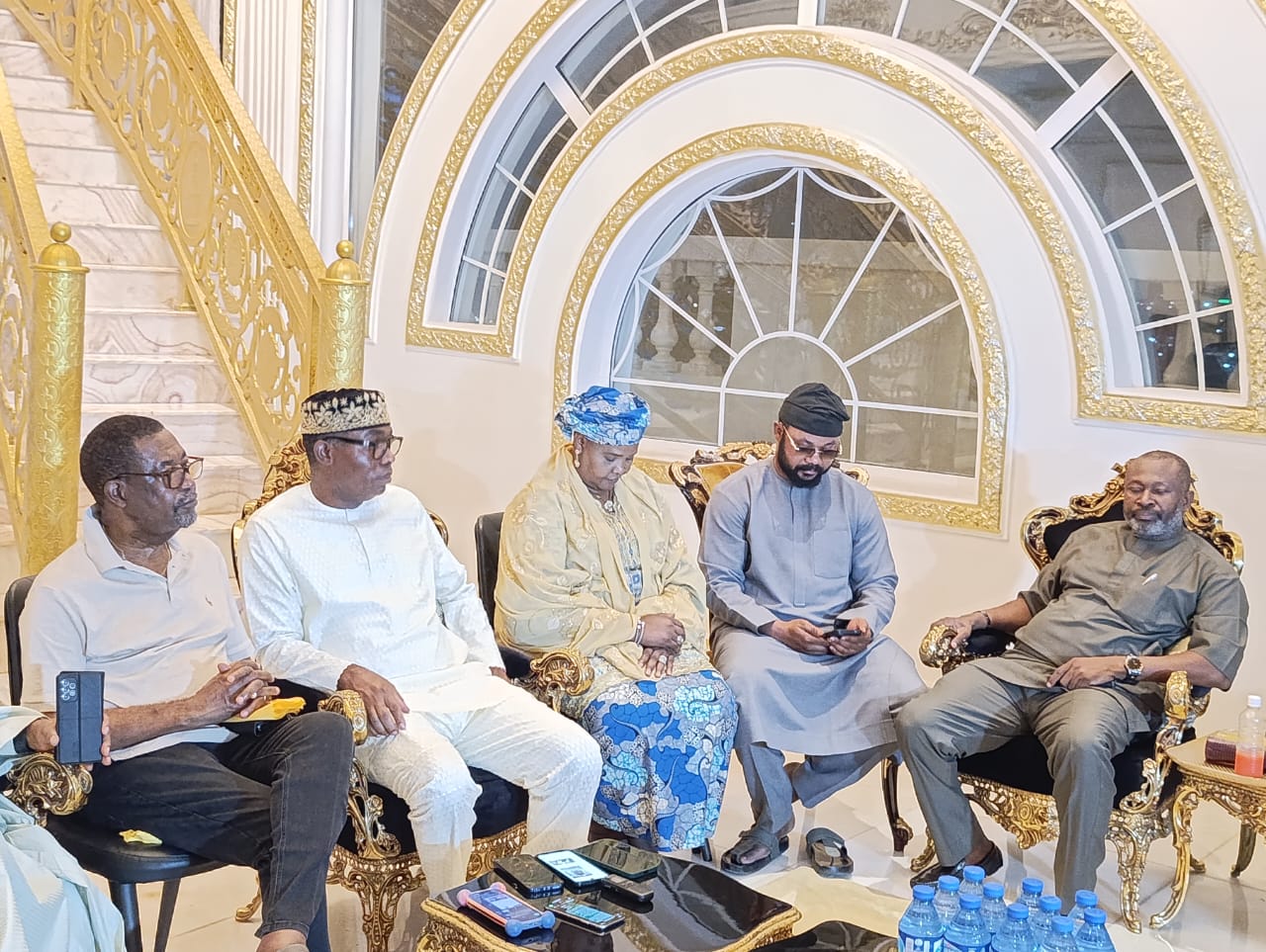
The call was made during a Ramadan Iftar (breaking of fast) gathering hosted by Lilian Adebayo, which brought together politicians, civil society representatives and members of the media in an atmosphere that blended spiritual reflection with conversations about Nigeria’s democratic future.
Speaking at the event, the National Chairman of the Social Democratic Party (Nigeria), 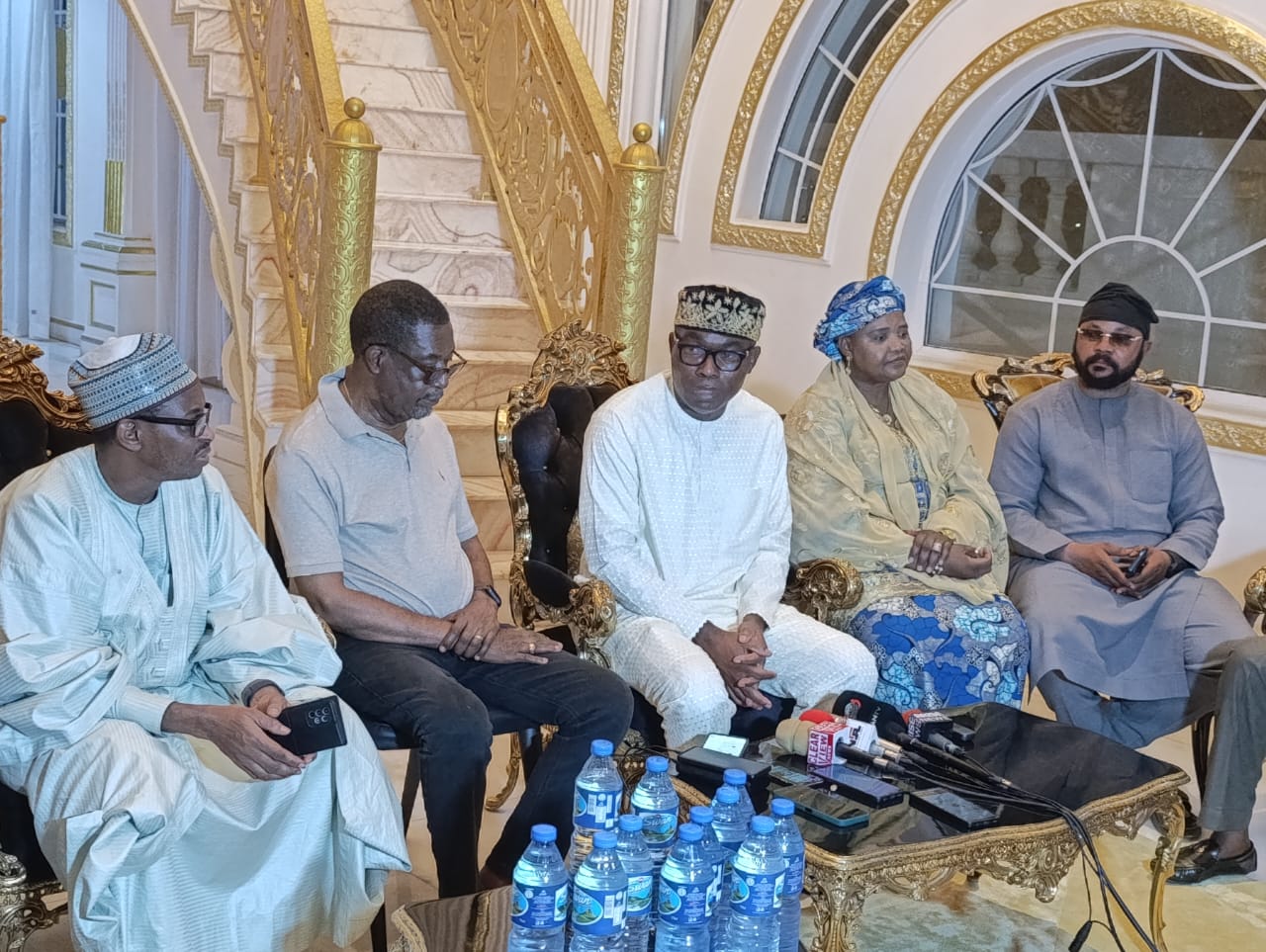 Sadiq Umar Gombe, emphasised that unity, religious tolerance and responsible political engagement remain essential for strengthening democratic institutions in the country.
He noted that Ramadan gatherings such as the Iftar create opportunities for political stakeholders to reflect on shared national values while fostering cooperation across political divides.
According to him, although several political actors attended the event, the gathering was fundamentally a social and religious engagement designed to encourage dialogue, understanding and a renewed commitment to national cohesion.
Gombe also acknowledged the vital role of the media in sustaining democratic governance, describing it as the “fourth estate of the realm” responsible for informing citizens and promoting accountability in public life.
Also speaking, the party’s presidential candidate in the 2023 general elections, Adewole Adebayo, stressed the need for deliberate policies that encourage broader citizen participation in governance and electoral processes.
He said the deeper lessons of Ramadan—particularly humility, discipline and accountability—should serve as guiding principles for political leaders and public officials.
Adebayo further noted that Nigeria’s religious and cultural diversity remains a powerful national asset that should inspire leaders to advance justice, tolerance and unity across the country.
He urged political institutions to create an enabling environment that motivates Nigerians to actively participate in elections, emphasising that strong voter participation is central to democratic legitimacy.
In his remarks, the Chairman of the Inter-Party Advisory Council, Yusuf Mamman Dantalle, called for critical adjustments to Nigeria’s electoral framework to broaden democratic participation.
Dantalle expressed concern that certain provisions—including indirect party primaries and the mandatory use of the National Identification Number in political processes—could limit broader engagement in politics if not carefully reviewed.
He urged political stakeholders, including leaders of the ruling party, to support reforms that would strengthen Nigeria’s multi-party democracy and make the political space more inclusive.
The IPAC chairman also called on the Independent National Electoral Commission to remain steadfast in enforcing electoral rules and standards, noting that public expectations for future elections remain high.
The gathering concluded with prayers for peace, unity and continued progress in Nigeria’s democratic journey, reflecting a shared commitment among participants to strengthen the nation’s democratic foundations