
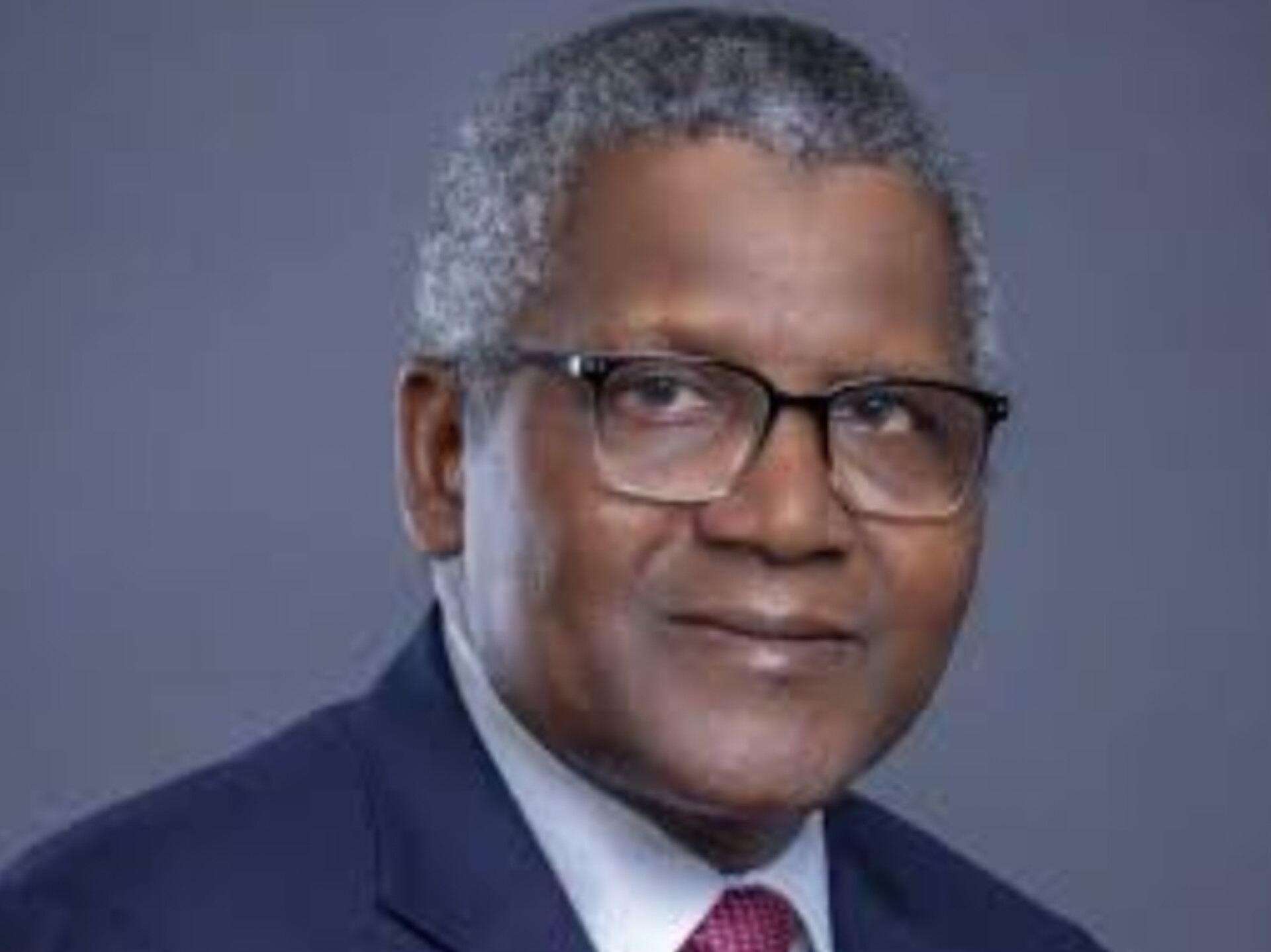
 Aliko Dangote

The ₦1 trillion education commitment by the Aliko Dangote Foundation is extraordinary by any standard. It is also deeply instructive. That a single private citizen can mount the largest education support programme in Nigeria’s history says as much about private capacity as it does about public failure.
The initiative, which aims to reach over 1.3 million students across all 774 local government areas, targets real pressure points in Nigeria’s education system: STEM access, technical skills, girls’ education and teacher quality. Its digital, merit-based design reflects lessons government itself has struggled to institutionalise.
Yet applause must be tempered with perspective. Scholarships, however vast, do not fix collapsing classrooms, uneven state commitment, weak curriculum relevance or the chronic underfunding of basic education. They keep students in school — but they do not reform the system that made exclusion normal.
The uncomfortable truth is this: Nigeria is increasingly dependent on philanthropy to do what public policy should guarantee. When private foundations step in at this scale, the risk is not generosity — it is complacency. Governments may celebrate intervention while postponing reform.
Dangote is right to frame this as investment, not charity. But no private intervention, however visionary, can substitute for sustained public responsibility. Education remains a public good. Its rescue cannot rely on exceptional individuals.
If this trillion-naira leap is to matter beyond headlines, it must provoke more than praise. It must force governments at all levels to ask why such intervention was necessary — and what structural failures made it so.
Nation-building through education will not be secured by generosity alone. It will be secured when access, quality and equity are no longer dependent on private rescue.