
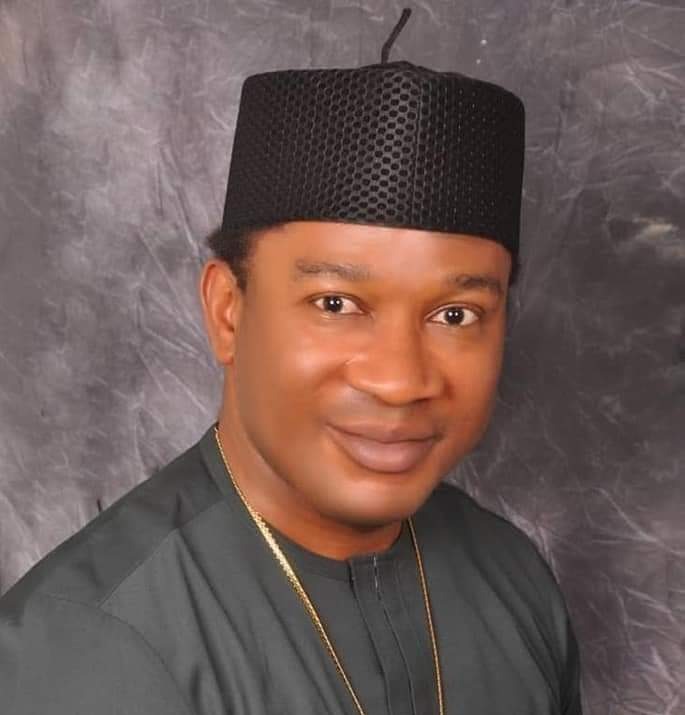

A fresh wave of criticism has greeted the Federal Government’s latest ambassadorial nominations as human rights advocate, Barrister Chukwudi Ezeobika, described the selections as a stark reflection of Nigeria’s worsening global reputation.
In a strongly worded statement posted Tuesday on his X handle, Ezeobika argued that the inclusion of figures such as Prof. Yakubu Mahmood and Reno Omokri highlights the government’s disregard for merit-based diplomacy and signals a troubling decline in Nigeria’s international posture.
According to him, while the nominees may possess academic and professional competence, their appointments symbolize a wider pattern of “misjudgment, misinformation, and misdirection” that has undermined the administration’s credibility at home and abroad.
“The image Nigeria projects today—one of a country losing moral and institutional coherence—is captured in these ambassadorial nominations,” he said.
“A nation that once commanded global respect is now fielding representatives who may only reinforce the failures of the current administration.”
Ezeobika stressed that ambassadorial assignments are strategic positions requiring individuals capable of rebuilding trust, engaging global partners, and driving economic diplomacy—not merely appointees who fit political or personal narratives.
He warned that the nominations risk weakening Nigeria’s diplomatic leverage at a time when the country is battling multiple crises, from economic instability to deteriorating international confidence.
“These roles are not decorative. They shape foreign policy direction, deepen international alliances, and influence investment. Poorly considered appointments can erode decades of diplomatic gains,” he added.
The lawyer’s remarks have amplified ongoing public concerns over the nomination process, which many civil society groups argue has become increasingly politicized. Analysts say the controversy exposes long-standing tensions between political loyalty and competence in federal appointments.
Observers also note that the growing backlash underscores Nigerians’ expectations for a foreign service anchored on professionalism, global awareness, and national interest rather than political expediency.
While the Federal Government has yet to issue an official response, the debate is expected to intensify as the nominations enter the next phase of legislative scrutiny. For many critics like Ezeobika, the ambassadorial list is more than a bureaucratic routine—it is a test of whether Nigeria is ready to rebuild its standing in a world where reputation is currency.