
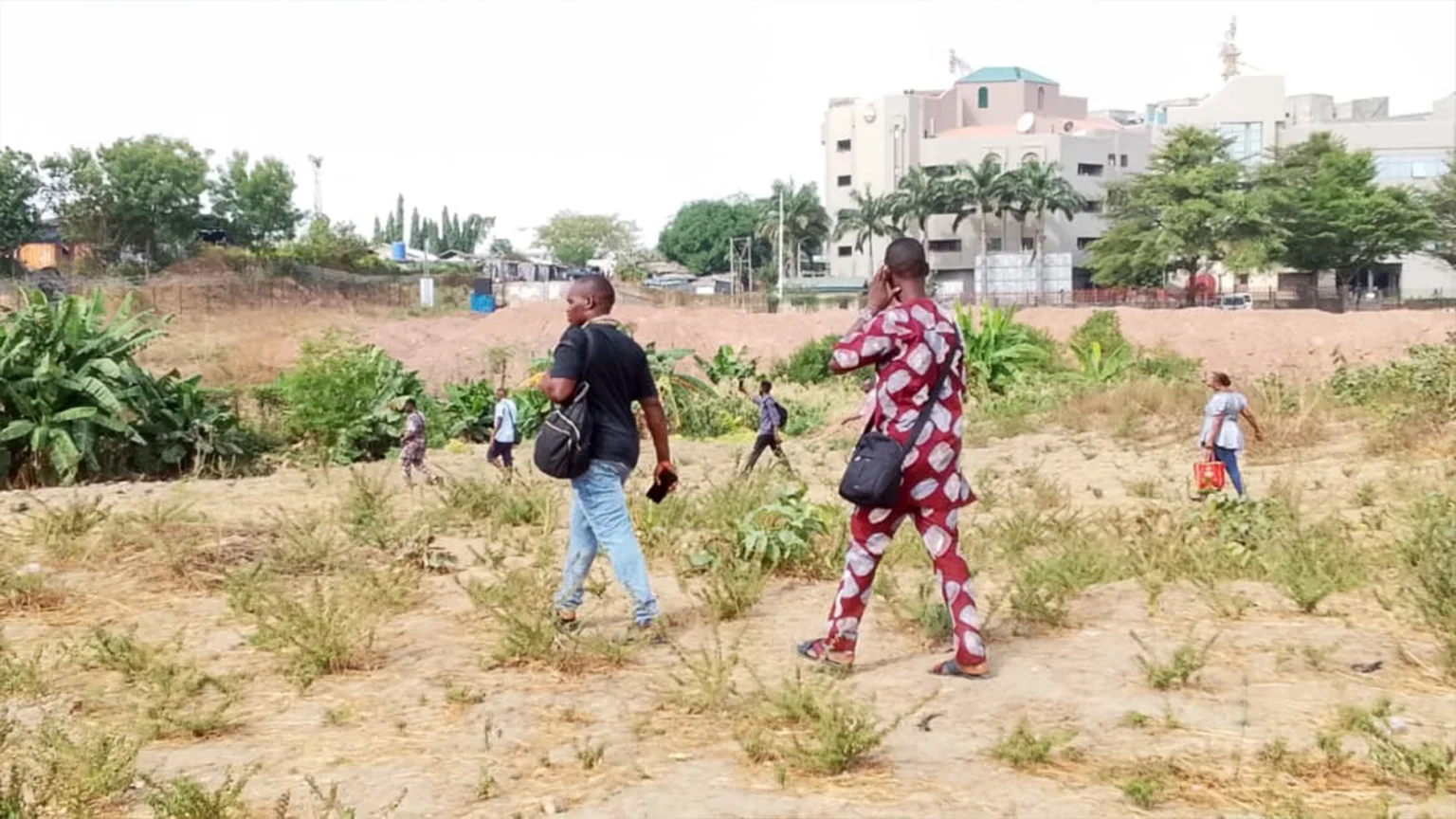

Abuja wore an unusual look on Friday—streets that typically hum with traffic and routine movement were subdued, as security barricades and road closures tied to the All Progressives Congress (APC) national convention forced commuters into an unexpected journey through bush paths and makeshift routes.
The disruptions followed a Federal Government directive restricting access around key areas, including the Federal Secretariat Complex and Eagle Square, in a bid to secure the venue for the high-profile political gathering. Civil servants within the immediate corridor were asked to work from home, but the impact quickly extended beyond the designated perimeter.
By dawn, checkpoints had sprung up across major routes leading into strategic districts such as Maitama and the Three Arms Zone. For many commuters, the usual routes to work simply disappeared.
What remained were narrow footpaths, uneven terrain, and improvised shortcuts—routes never meant for the daily flow of thousands of workers trying to keep to their schedules.
“I left home early thinking I would beat the traffic,” said Bright Obasi, a private sector employee. “Instead, I was turned back and forced to walk through a bush path. It’s exhausting and frustrating.”
For Toyin, a civil servant, the journey became a test of endurance. She trekked for over 30 minutes before reaching her office. “Not every civil servant works at the Secretariat,” she said. “The decision didn’t reflect the reality of where people actually work.”
Businessman Vincent Okoli described a similar experience, saying multiple roadblocks left him with no choice but to abandon his vehicle and proceed on foot. “You plan your day, then everything changes because of these restrictions,” he said.
While many residents expressed frustration, some within the political space defended the measures, describing them as necessary for a major party event. According to a member of the APC who spoke anonymously, the temporary inconvenience was part of ensuring security and order during the convention.
The Federal Government’s earlier circular had directed the closure of roads around the convention zone for two days, citing security and logistical requirements. But the reality on the ground revealed a broader impact—one that extended into the daily lives of ordinary residents and disrupted economic and administrative activities across parts of the city.
As Abuja gradually adjusts to the ripple effects of the convention, Friday’s experience has sparked renewed conversations about planning, coordination, and how major political events intersect with the everyday realities of citizens.
For many workers, the message is clear: while politics may command the stage, it is the people—navigating the consequences on foot—who often bear the weight of the decisions made above them.