
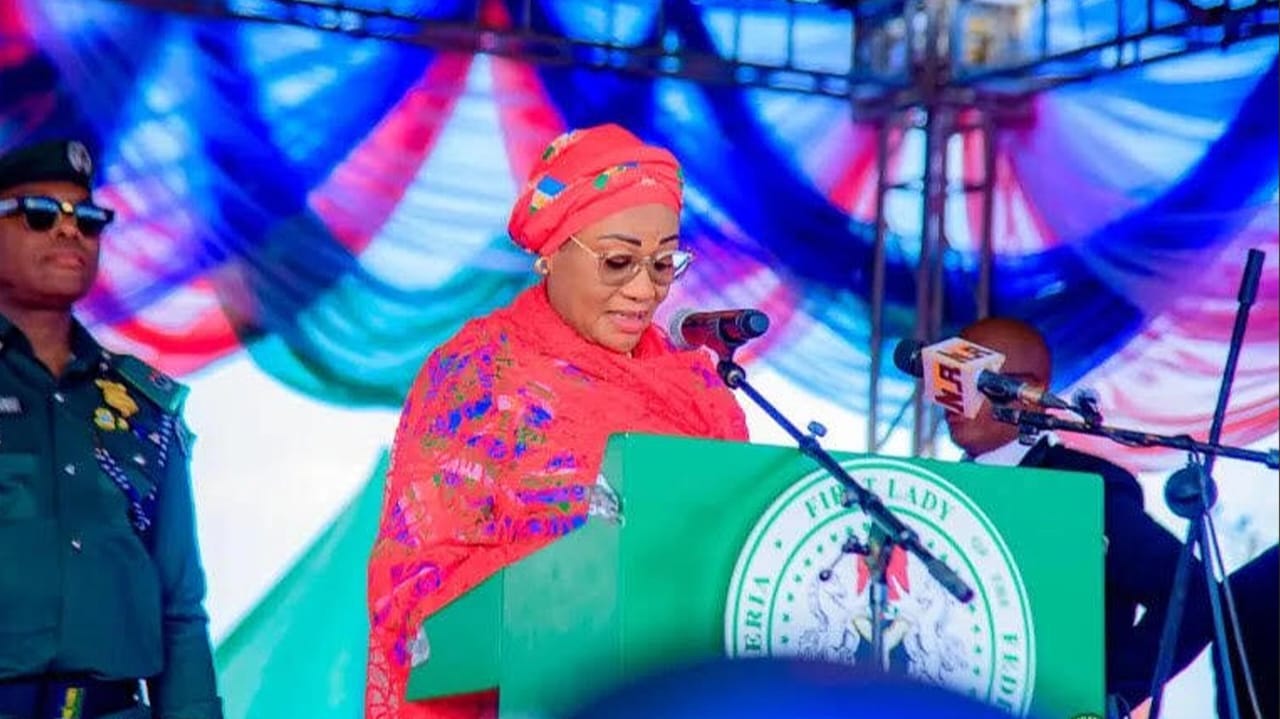


Nigeria’s First Lady, Oluremi Tinubu, has pushed back against criticism surrounding her recent comments on women empowerment, insisting that government-backed support programmes are designed to benefit a broad spectrum of small-scale traders and not just akara sellers.
The clarification follows public reactions to remarks she made while highlighting initiatives targeted at women in the informal sector, with critics accusing the administration of reducing economic empowerment to petty trading activities.
Responding to the controversy, the First Lady said the programme covers a wide range of beneficiaries, including tomato, pepper and vegetable sellers, as well as boli vendors and other market women operating small businesses across the country.
“I know they have been talking that I said akara. It’s not only akara. We also have tomato sellers, we have boli, and those selling pepper, selling vegetables in the market. We’ll continue to empower them,” she said.
Mrs. Tinubu maintained that the empowerment initiative is aimed at supporting women at the grassroots level by providing opportunities to strengthen and expand their businesses, regardless of the type of trade they engage in.
She also dismissed what she described as inaccurate portrayals of her comments, stressing that the administration would not be distracted by criticism from continuing programmes targeted at improving the livelihoods of women in the informal economy.
“We are not intimidated by all those wrong reports,” she added.
The remarks come amid ongoing public debate over economic empowerment strategies and the role of government in supporting small and medium-scale enterprises, particularly among women and low-income earners.
Supporters of the programme argue that many market women and informal traders remain critical drivers of local economies and require sustained assistance, while critics have called for broader economic policies capable of creating larger-scale employment and business opportunities.
Mrs. Tinubu, however, insisted that empowering grassroots traders remains an important component of efforts to improve household incomes and strengthen economic participation among women across the country.