
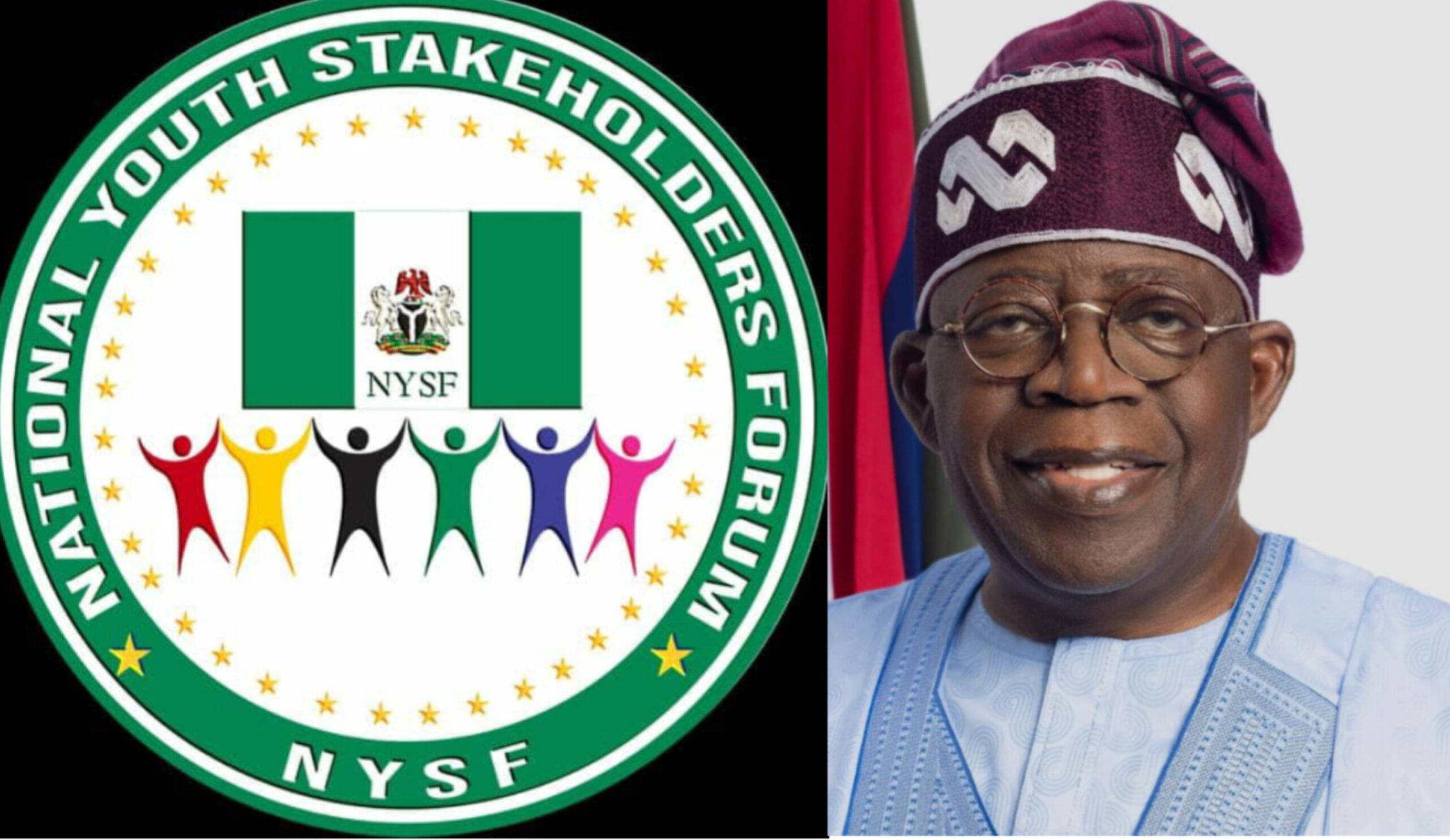

Nigerian youths have unveiled an expansive reform agenda ahead of the 2027 general elections, pressing for deep structural changes in governance, economic policy, and national security, in what is emerging as one of the most coordinated youth-driven policy pushes in recent years.
The proposals were presented at the maiden National Youth Conference organised by the National Youth Stakeholders’ Forum (NYSF) in Abuja, where youth leaders joined policymakers, traditional rulers, business leaders, and civil society actors in a high-level convergence focused on the future of youth participation in national development.
The conference, themed “The Future of Nigerian Youths and Expectations from Political Leaders: Demanding Accountability, Inclusion and Sustainable Development Ahead of the 2027 Elections,” became a platform for a unified youth position demanding not just consultation, but institutional power and measurable inclusion in governance.

At the centre of the charter is a demand for the creation of a National Youth Development Commission and a National Youth Trust Fund—described by participants as critical instruments to shift youth empowerment from fragmented programmes to a legally backed national framework.
The youths argued that only strong institutions can guarantee sustained access to entrepreneurship financing, skills development, innovation support, and large-scale job creation for Nigeria’s rapidly growing youth population.
Convener of the forum and President of the Yoruba Council Worldwide, HRM Aare Sooko Oladotun Hassan, said the gathering marked a shift from appeals to structured demands, insisting that Nigerian youths are no longer willing to remain on the margins of decision-making.
According to him, the country must move beyond symbolic representation to enforceable systems that guarantee youth participation in governance, accountability in leadership, and equitable access to national opportunities.
“We are not asking to inherit the future; we are demanding a role in shaping the present,” he declared.
The charter further proposes a National Youth Rights Act to legally entrench youth inclusion, protection, and equal opportunity within Nigeria’s governance architecture.
Security reforms also featured prominently, with delegates calling for a Police Marshal System that integrates youth structures into community policing frameworks in partnership with the Nigeria Police Force, aimed at tackling cultism, cybercrime, drug abuse, and rising insecurity through early intervention and community trust-building.
Participants also pushed for the translation of the Nigerian Constitution into major indigenous languages, describing civic exclusion as a barrier to democratic participation and accountability.
On the economy, the conference took a firm stance on youth unemployment, describing it as a structural crisis requiring urgent intervention. It called for a mandatory 30 per cent youth employment quota across public institutions and private firms executing government contracts.
To address rural underdevelopment and food insecurity, the forum proposed a National Agricultural Youth Scheme that would provide structured access to land, financing, modern equipment, agricultural inputs, and guaranteed off-take arrangements for young farmers nationwide.
Beyond youth-specific measures, the conference advanced broader national reforms, including a single seven-year presidential term based on geopolitical rotation, the establishment of a National Joint Regional Security Network, and a National Staple Commodities and Price Control Agency designed to stabilise food prices and essential living costs.
In the energy sector, the youths called for accelerated investment in local refining capacity, reduced dependence on imported fuel, and a comprehensive review of petroleum governance policies to increase benefits to host communities and strengthen local value chains.
National Chairman of NYSF, Mallam Jamilu Ahmad, described Nigeria’s youth population as the country’s most strategic but underutilised demographic asset, stressing that unlocking it requires deliberate investment in infrastructure, industrial expansion, and enterprise development.
He said youth inclusion is now central to Nigeria’s economic survival and long-term stability.
As part of its resolutions, the forum announced plans to formally present the Youth Charter on Accountability, Inclusion, Security and Sustainable Development to President Bola Ahmed Tinubu, positioning the document as a national framework for engagement ahead of 2027.
Former Kano State Governor, Ibrahim Shekarau, urged youths to match their demands with discipline, integrity, and leadership preparedness, noting that sustainable transformation requires both institutional reform and personal responsibility.
For participants, the conference signified more than a policy dialogue—it marked the emergence of a structured youth agenda seeking to redefine Nigeria’s governance priorities and reshape the political landscape ahead of 2027.