
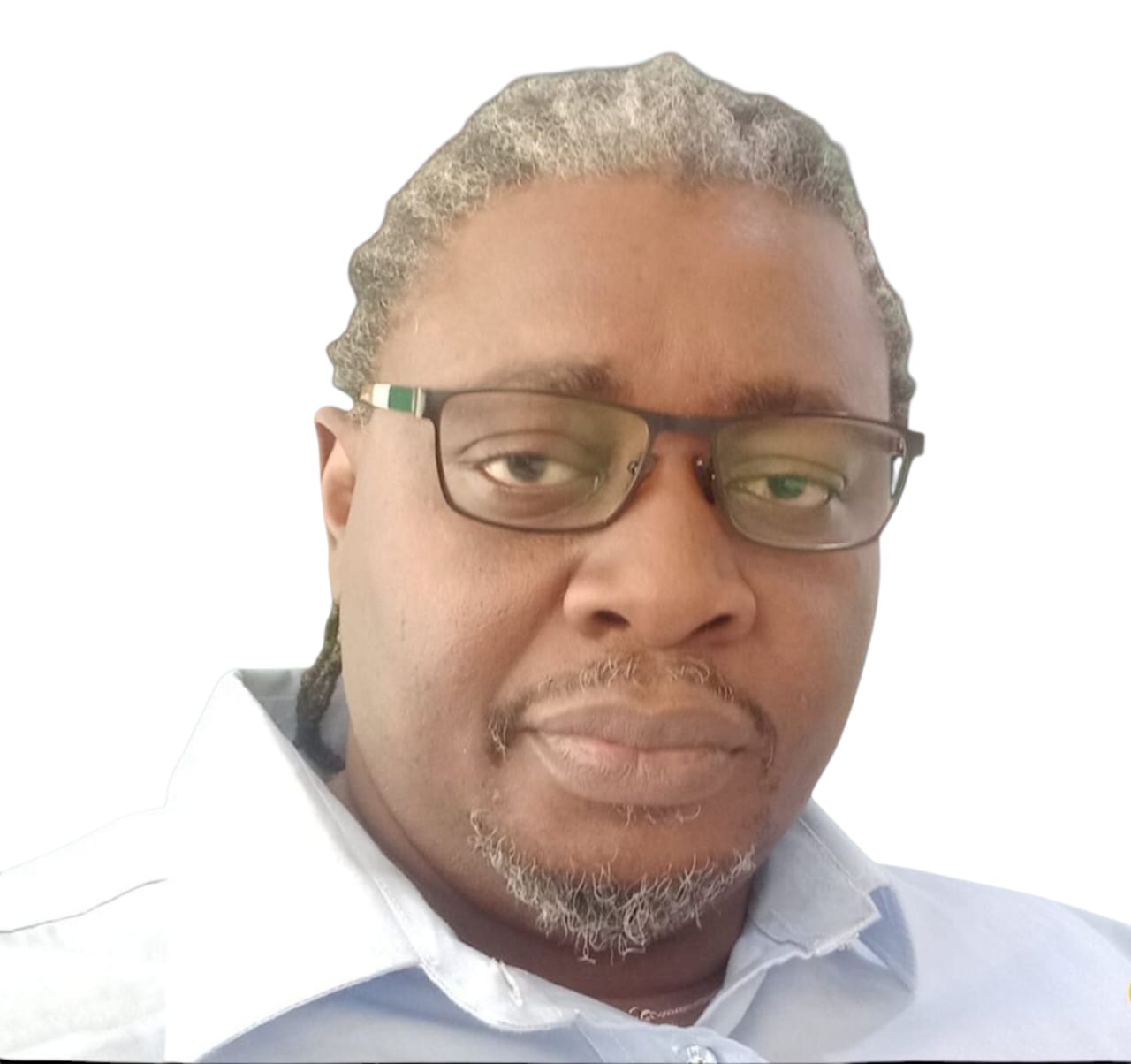
 ChikeOkongwu
ADC Leader: Nigeria’s Democracy “Unfinished” Without Disability Inclusion — Okogwu Demands Urgent Action

The National Leader of Persons with Disabilities (PWDs) in the African Democratic Congress (ADC), Chike Okogwu, has declared that Nigeria’s democracy remains fundamentally incomplete so long as millions of citizens with disabilities are excluded from governance, economic life, and basic public services.
In a Democracy Day message titled “Democracy Without Access is Democracy Denied,” released in Abuja, Okogwu said the true measure of any democratic system is how it treats its most vulnerable citizens, warning that persistent exclusion of PWDs exposes deep structural failures in Nigeria’s governance framework.
He said despite years of advocacy and legal reforms, meaningful inclusion has remained slow and largely cosmetic, with many barriers still firmly entrenched across public and private institutions.
According to him, inaccessible infrastructure, discrimination, and weak enforcement of disability laws continue to shut millions of Nigerians with disabilities out of equal participation in national life.
Okogwu also highlighted worsening economic pressures, noting that inflation and rising costs of basic needs have hit persons with disabilities and their families disproportionately hard, pushing many deeper into poverty.
He raised particular concern over insecurity, saying PWDs often suffer the most during violent attacks and forced displacement, yet national emergency systems remain largely unprepared and non-inclusive in their response.
On employment, he lamented that many qualified and educated persons with disabilities remain locked out of the labour market due to discriminatory recruitment practices and workplaces that are not adapted for inclusion.
He also pointed to Nigeria’s unstable electricity supply as a hidden but severe burden, explaining that many PWDs depend on assistive technologies and medical devices that require constant power to function.
In the health sector, Okogwu said accessibility gaps remain glaring, with many hospitals still physically inaccessible and essential services such as rehabilitation, assistive devices, and sign language interpretation either unavailable or unaffordable.
He further criticized the transport and aviation sectors, saying that despite limited progress, most public transport systems and infrastructure still fail to meet basic accessibility standards, restricting mobility and independence.
Okogwu warned that Nigeria’s fast-growing digital economy is also deepening exclusion, as government services, education, and employment opportunities move online without adequate accessibility features for persons with disabilities.
While acknowledging the Disability Act, he said weak enforcement has rendered many of its provisions ineffective, stressing that legislation without implementation cannot deliver justice.
The ADC leader called on government, political parties, the private sector, and civil society to move beyond symbolic gestures and adopt enforceable inclusion measures, including accessible infrastructure, inclusive education, social protection systems, disability-sensitive healthcare, and emergency response planning.
He said the ADC would prioritise full implementation of disability rights through targeted welfare programmes, inclusive employment policies, and strict accessibility standards across public institutions.
According to him, Nigeria’s estimated 30 million persons with disabilities are not asking for sympathy, but for dignity, equality, and full participation in national life.
He insisted that until inclusion becomes a lived reality, Nigeria’s democracy will remain “unfinished business.”