


By Amb. Anderson Osiebe
Nigeria’s political leadership often finds itself under intense public scrutiny, not just for policy decisions, but for symbolic actions that reflect empathy, responsibility, and presence.
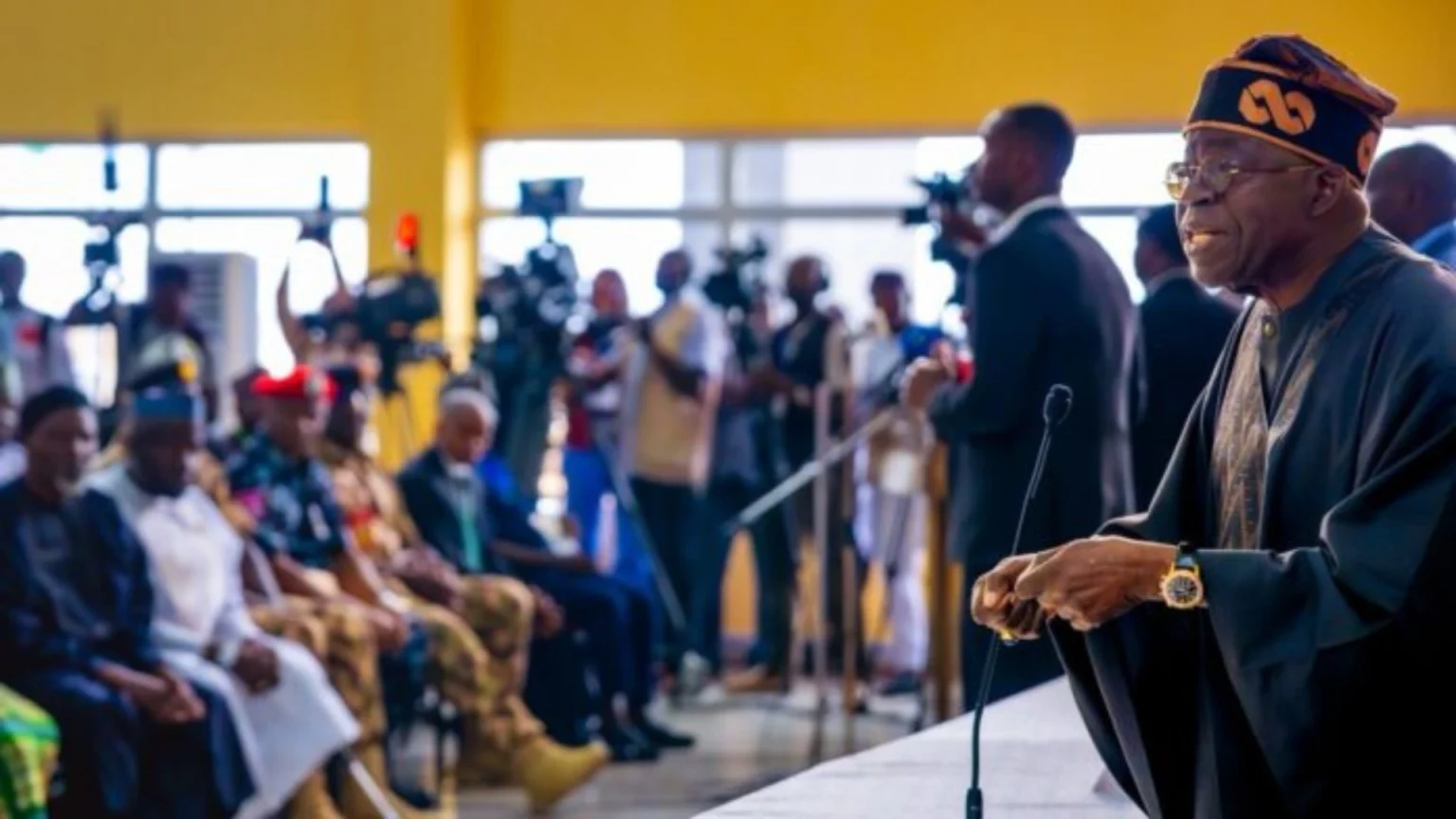
The recent brief stopover by President Bola Ahmed Tinubu at the Jos airport has sparked a wave of criticism, raising fundamental questions about what it truly means to be presidential in moments that demand more than optics.

Reports indicate that the President’s visit to Jos lasted barely ten minutes. An appearance so fleeting that it left many citizens, stakeholders, and observers questioning its purpose and sincerity.
At a time when Plateau State has been grappling with recurring security challenges and communal tensions, expectations were high that the President’s presence would signal solidarity, reassurance, and decisive leadership. Instead, the brevity of the visit conveyed the opposite.
Leadership, especially at the highest level, is not only about decision-making from the capital, it is also about physically showing up in times of distress, listening to affected communities, and demonstrating that governance is not distant, but responsive.
Presidential visits are never just routine, they are symbolic acts loaded with meaning. When a nation is hurting, every gesture matters.
A rushed airport stopover, devoid of meaningful engagement with victims, local leaders, or security agencies, risks being interpreted as a box-ticking exercise rather than a genuine intervention.
In political communication, perception is often as powerful as reality. A ten-minute visit, no matter the intent, projects a troubling image: that the gravity of the situation may not have been fully acknowledged at the highest level.

Being presidential goes beyond occupying office. It requires embodying the weight of national expectations. It demands empathy, visibility, and the willingness to connect with citizens, especially in moments of crisis.
Historically, leaders who have left lasting impressions during difficult times are those who stayed longer, listened deeply, and acted visibly. They walked among victims, engaged stakeholders, and reassured the nation through both words and presence.
In contrast, a fleeting visit risks reinforcing a growing perception of disconnect between leadership and the lived realities of ordinary Nigerians.
Unsurprisingly, the reaction from citizens and commentators has been swift and critical. Many views the short visit as emblematic of a broader concern about responsiveness and prioritization within the current administration.
For a government already navigating complex security challenges, such moments carry significant political weight. They shape public trust, influence narratives, and ultimately affect the credibility of leadership.
In a democracy, perception feeds legitimacy and legitimacy is sustained by visible, empathetic, and decisive leadership.
While symbolism matters, it must be backed by concrete action. Nigerians are not only asking for longer visits, they are demanding solutions.
The Jos airport stopover could have been an opportunity to reassure a troubled region, project strong leadership, and rebuild public confidence. Instead, its brevity has turned it into a case study in how not to be presidential.
In times like these, leadership is measured not by speed, but by depth of engagement, depth of empathy, and depth of commitment.
Nigeria does not just need a president who arrives; it needs one who stays, listens, and leads.
Amb. Anderson Osiebe, Executive Director, HallowMace Foundation Africa, Public Policy Expert and an Administrator writes from Abuja – Nigeria.
God Bless Nigeria!