
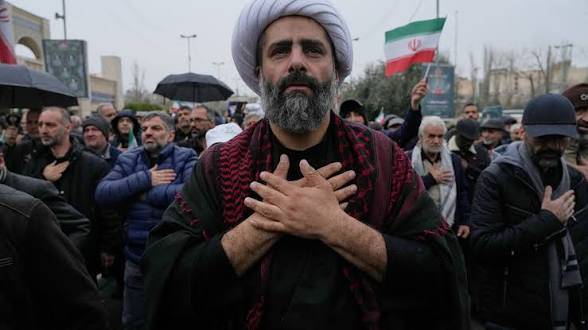

Three weeks into a deepening Middle East conflict, global tensions have spiked following a stark warning from Iran that it may extend retaliatory attacks to tourist and recreational sites worldwide—an escalation that has heightened fears far beyond the region.
Even as the threat widens, the United States is reinforcing its military posture, deploying additional warships and about 2,500 Marines to the region. The latest move brings the total number of U.S. troops in the Middle East to over 50,000, signaling sustained readiness despite mixed political messaging.
In a surprising twist, former U.S. President Donald Trump suggested that Washington could be nearing the end of its military campaign, stating the U.S. is “very close” to achieving its objectives. Yet, the administration’s request for an additional $200 billion to fund operations tells a more complicated story—one of a war effort that is far from winding down.
On the ground, hostilities continue unabated. Israel reported fresh missile launches from Iran early Saturday, while Saudi Arabia confirmed intercepting 20 drones targeting its oil-rich eastern corridor within hours.
The escalation follows Israeli strikes in Tehran during Nowruz, a major cultural celebration in Iran, further inflaming tensions. In retaliation, Tehran has intensified attacks on Gulf neighbors and sustained pressure on the Strait of Hormuz—a critical global oil route.
Iranian leadership has struck a defiant tone. Mojtaba Khamenei praised national resilience, while military spokesman Abolfazl Shekarchi warned that parks and tourist destinations across the world could become targets, signaling a potential shift toward broader, unconventional retaliation.
The ripple effects are already visible in global markets. Brent crude prices have surged to about $108 per barrel, up sharply from pre-conflict levels, stoking fears of prolonged economic strain.
In response, the United States has temporarily eased sanctions on Iranian oil exports in a bid to stabilize supply and curb rising fuel costs. However, analysts remain skeptical about the move’s real impact, noting that much of Iran’s oil trade already operates outside formal restrictions.
Meanwhile, Israeli strikes on Hezbollah positions in Beirut’s southern suburbs have triggered widespread destruction and displacement, with over one million people affected in Lebanon.
Casualties continue to climb across multiple fronts, with more than 1,300 deaths reported in Iran, alongside losses in Israel, the West Bank, and among U.S. personnel.
Despite claims of progress, the conflict shows no clear path to resolution. With intensifying attacks, expanding military deployments, and threats of global spillover, the crisis is evolving into a broader challenge—one that now threatens not just regional stability, but international security at large.