

Nigeria’s drive to overhaul its tax system gathered fresh momentum in Abuja as the Executive Chairman of the Nigeria Revenue Service (NRS), Mr Zacch Adedeji, called for full digital integration across revenue agencies at federal and sub-national levels.
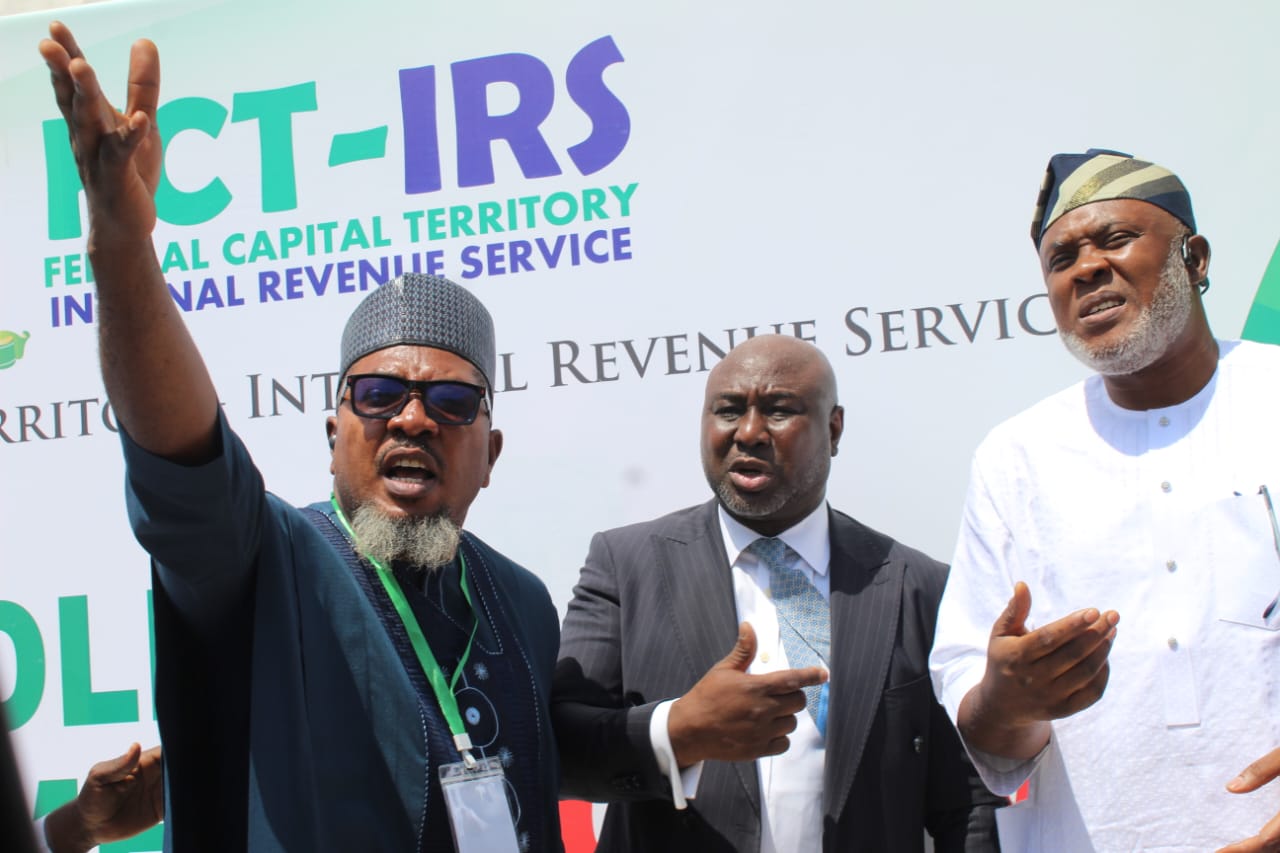
Speaking at the Stakeholder Engagement Forum organised by the Federal Capital Territory Internal Revenue Service (FCT-IRS), Adedeji said technology must become the foundation of Nigeria’s tax administration if the country is to plug leakages, simplify compliance and build public trust.
The NRS boss, represented by the Executive Secretary of the Joint Revenue Board, Mr Olusegun Philip Adesokan, described digital reform as non-negotiable under the nation’s new fiscal direction.
“Technology is central to efficiency, transparency and accountability,” he said, noting that harmonised revenue systems would eliminate duplication, strengthen data integrity and ensure seamless coordination among tax authorities.
Adedeji linked the push for digital transformation to broader fiscal reforms under President Bola Ahmed Tinubu, aimed at repositioning Nigeria’s revenue architecture for equity, sustainability and improved public finance management.
He commended the FCT-IRS for convening what he termed a timely engagement, stressing that stakeholder collaboration remains critical to redefining compliance culture and modernising tax administration nationwide.
According to him, a transparent and technology-driven tax ecosystem will accelerate infrastructure delivery and economic growth, particularly in the Federal Capital Territory (FCT).
In his address, Acting Executive Chairman of FCT-IRS, Michael Ango, said the forum marked a shift from traditional enforcement-heavy narratives toward partnership and shared responsibility.
“This is not a platform to recite obligations or revenue figures. It is an opportunity to align our vision with yours and build a collaborative framework for progress,” he said.
Ango emphasised that sustainable economic growth begins at the community level, arguing that national prosperity rests on the collective productivity and compliance of residents and businesses.
He said the Service is leveraging its statutory membership of the Joint Revenue Board to access national tax systems and digital infrastructure, positioning FCT-IRS to operate at global standards.
The FCT-IRS chief also tied revenue mobilisation directly to visible infrastructure expansion and improved security across the territory, describing recent development strides as deliberate outcomes of strengthened internally generated revenue.
“Taxation funds essential services, drives infrastructure and creates a cycle of economic growth and civic responsibility,” he noted.
He reiterated that voluntary compliance remains the Service’s preferred approach, with enforcement deployed strictly as a last resort.
Director of Taxpayers Services, Chinwe Ndu, described the engagement as a strategic platform to demystify new tax laws and enhance ease of doing business within the FCT.
“Tax thrives on collaboration rather than confusion. Our goal is to craft a framework that is both pragmatic and practicable,” she said.
The forum brought together policymakers, business leaders and industry stakeholders, reinforcing a shared understanding that technology, clarity and cooperation will define the next phase of Nigeria’s tax reform journey.