
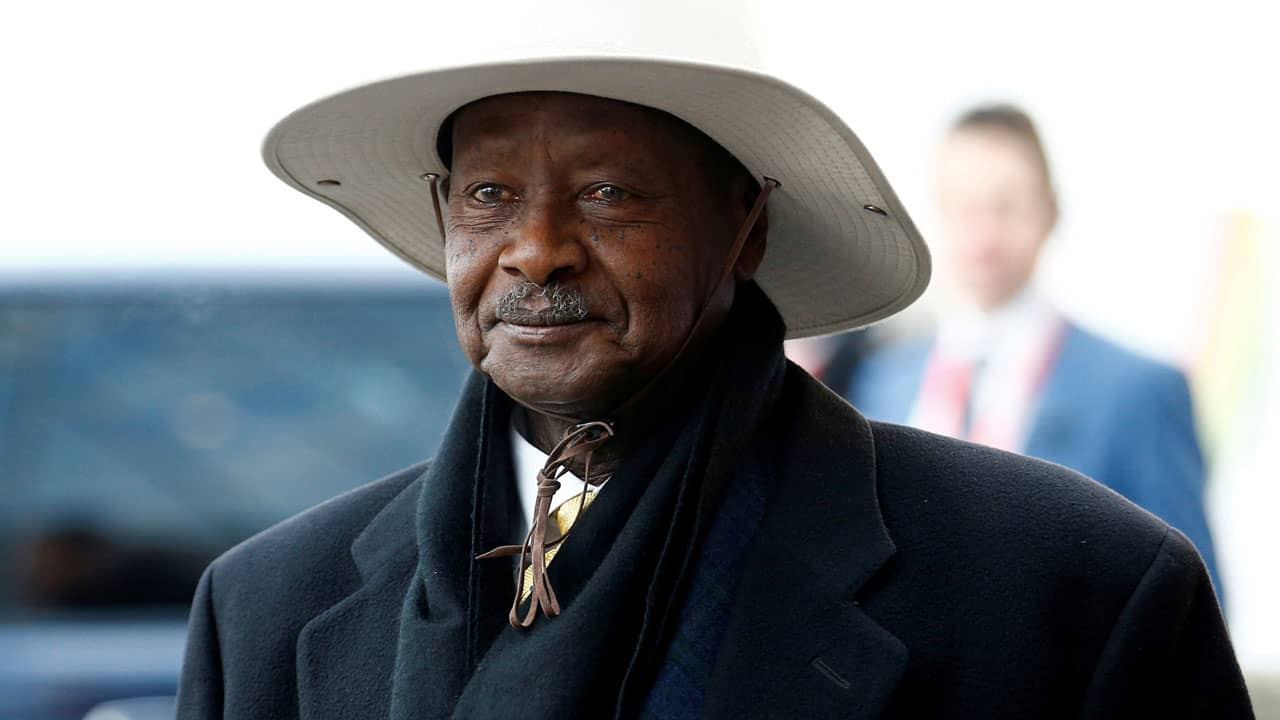
 YoweriMuseveni

Ugandan President Yoweri Museveni has been declared winner of the country’s presidential election, securing a seventh term in office amid allegations of intimidation, violence and restrictions on civic space.
According to Uganda’s Electoral Commission, Museveni, 81, won 71.65 per cent of the votes cast in Thursday’s election, extending his rule of the East African nation to nearly four decades. His closest challenger, opposition leader Bobi Wine—whose real name is Robert Kyagulanyi—polled 24.72 per cent.
The election was conducted under heightened security and an internet shutdown, with reports of arrests, abductions and election-related violence. African election observers said these actions created an atmosphere of fear and undermined public confidence in the process.
Museveni’s victory follows a tense campaign period marked by repeated confrontations between security forces and opposition supporters. While many Ugandans continue to credit the veteran leader with restoring stability after years of post-independence turmoil, critics argue that his long rule has been accompanied by democratic backsliding and persistent corruption allegations.
Opposition candidate Bobi Wine rejected the announced results, describing them as fraudulent. He claimed there was widespread ballot manipulation and said he went into hiding after security operatives allegedly surrounded his residence. Police authorities denied raiding his home but confirmed a security deployment in the area, citing concerns over public order.
African Union observer mission head and former Nigerian president Goodluck Jonathan said election observers found no evidence of large-scale ballot stuffing, but expressed concern over reports of intimidation, arrests and abductions targeting opposition figures and civil society groups.
“These actions instilled fear and eroded trust in the electoral process,” Jonathan said, adding that the internet shutdown disrupted effective election observation and fuelled suspicion, even though voting day itself was largely peaceful.
Uganda’s security officials defended the measures, saying they were necessary to prevent unrest similar to recent protests in parts of East Africa.
Museveni’s ruling National Resistance Movement (NRM) also appeared to secure a commanding lead in parliamentary races, according to provisional results, although vote counting was still ongoing.
Analysts had widely predicted Museveni’s re-election, citing his firm control over state institutions and the security apparatus. Opposition figures, including long-time challenger Kizza Besigye, have faced sustained pressure, with Besigye currently standing trial on treason charges.
The election outcome has once again sparked debate over democracy, governance and political freedoms in Uganda.