
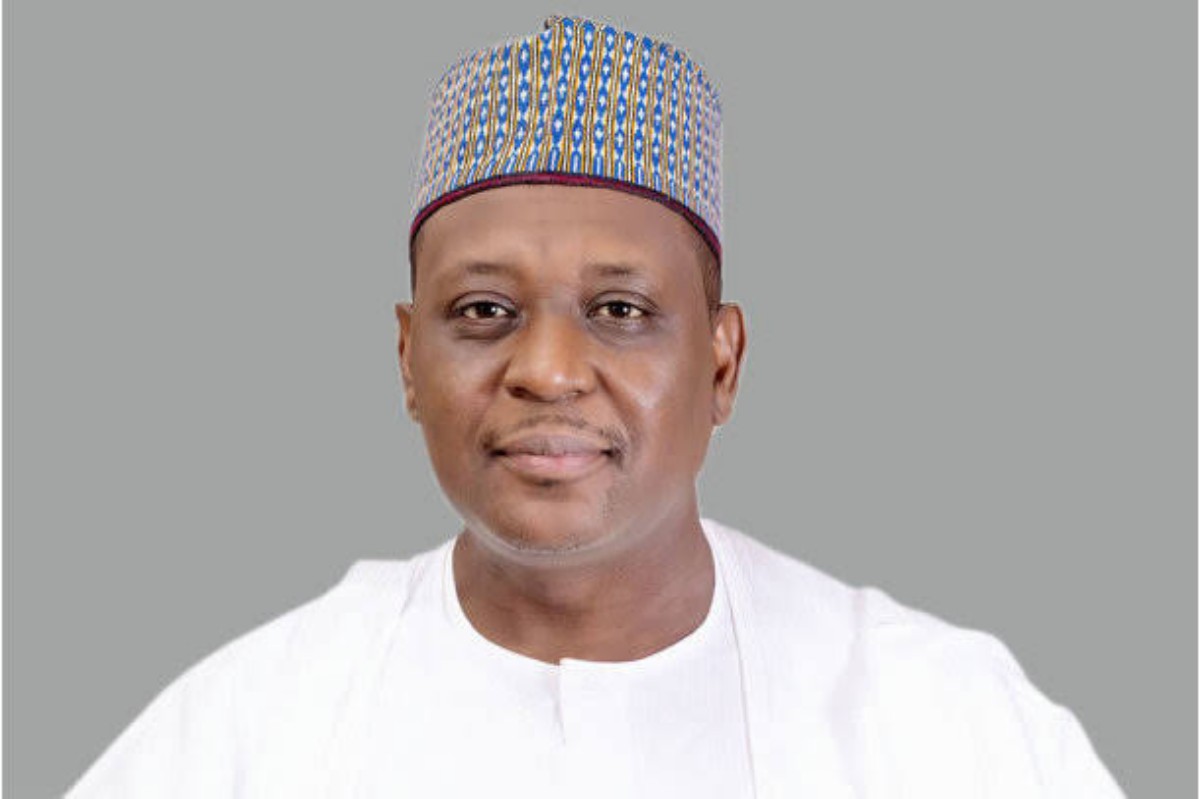
 Dr Muhammed Ali Pate


A civil society organisation, the Health Reform Initiative Nigeria (He-RIN), has kicked against the SNG Health Agreement signed between the Federal Ministry of Health and private partners, warning that the deal could undermine Nigeria’s local mosquito net manufacturing industry and weaken the country’s long-term health security.
In a joint statement issued on Wednesday by its Executive Director, Sunday Tobi, and Secretary, Abdul Musa, the group criticised the agreement, which established a partnership between Vestergaard and Harvestfield under the SNG Health platform for the supply of insecticide-treated mosquito nets.
He-RIN described the arrangement as a continuation of procurement practices that rely heavily on foreign-linked entities, arguing that similar models in the past failed to translate massive investments in malaria control into sustainable local capacity or significant reductions in malaria mortality.
The organisation alleged that SNG Health emerged from a framework involving the United Nations Office for Project Services (UNOPS), the Federal Ministry of Health and international partners, including the World Bank, which it said had historically dominated mosquito net procurement in Nigeria.
According to He-RIN, Nigeria’s persistent malaria burden reflects years of policy inconsistency and overdependence on imported mosquito nets, despite the presence of local manufacturers with existing production capacity and international certifications.
Citing the World Health Organization’s World Malaria Report, the group noted that Nigeria accounts for about 27 per cent of global malaria cases and 31 per cent of malaria-related deaths, with an estimated 184,000 deaths annually, mostly among children under five and pregnant women.
He-RIN said these grim statistics persist despite sustained funding from the Global Fund, World Bank, USAID and UN agencies, largely channelled into insecticide-treated nets, indoor residual spraying, diagnostics and antimalarial drugs.
The organisation also faulted Nigeria’s health financing structure, noting that budgetary allocations to the sector remain between four and six per cent, far below the 15 per cent benchmark set by the Abuja Declaration. It added that the 2024 health allocation of about ₦1.3 trillion represented just over five per cent of total government spending.
He-RIN further alleged that plans finalised in 2022 to support local mosquito net manufacturing through a competitive process were abandoned shortly after the current administration assumed office, leaving domestic producers idle and discouraging new investment.
The group argued that the SNG Health Agreement contradicts President Bola Ahmed Tinubu’s Renewed Hope Agenda, which prioritises local production, job creation and reduced dependence on imports.
According to He-RIN, supporting local manufacturers through access to contracts and financing would conserve foreign exchange, create jobs and strengthen Nigeria’s malaria response. It claimed that Nigerian firms were excluded from a proposed $100 million initiative aimed at boosting domestic mosquito net production.
The organisation also raised concerns over what it described as conflicts of interest within the health ministry and questioned the scientific basis for promoting a single mosquito net technology across Nigeria’s diverse ecological zones.
He-RIN called on President Tinubu to suspend the SNG Health Agreement and order a transparent review of malaria procurement policies, including a full accounting of the stalled $100 million local production initiative.
The group warned that continued sidelining of local manufacturers could erode industrial capacity, weaken health security and prolong Nigeria’s struggle against malaria.