
2027: ADC Reopens Opposition Coalition Talks to Unseat Tinubu
Party says united opposition remains best route to defeating APC; Abbas rallies support for President’s re-election

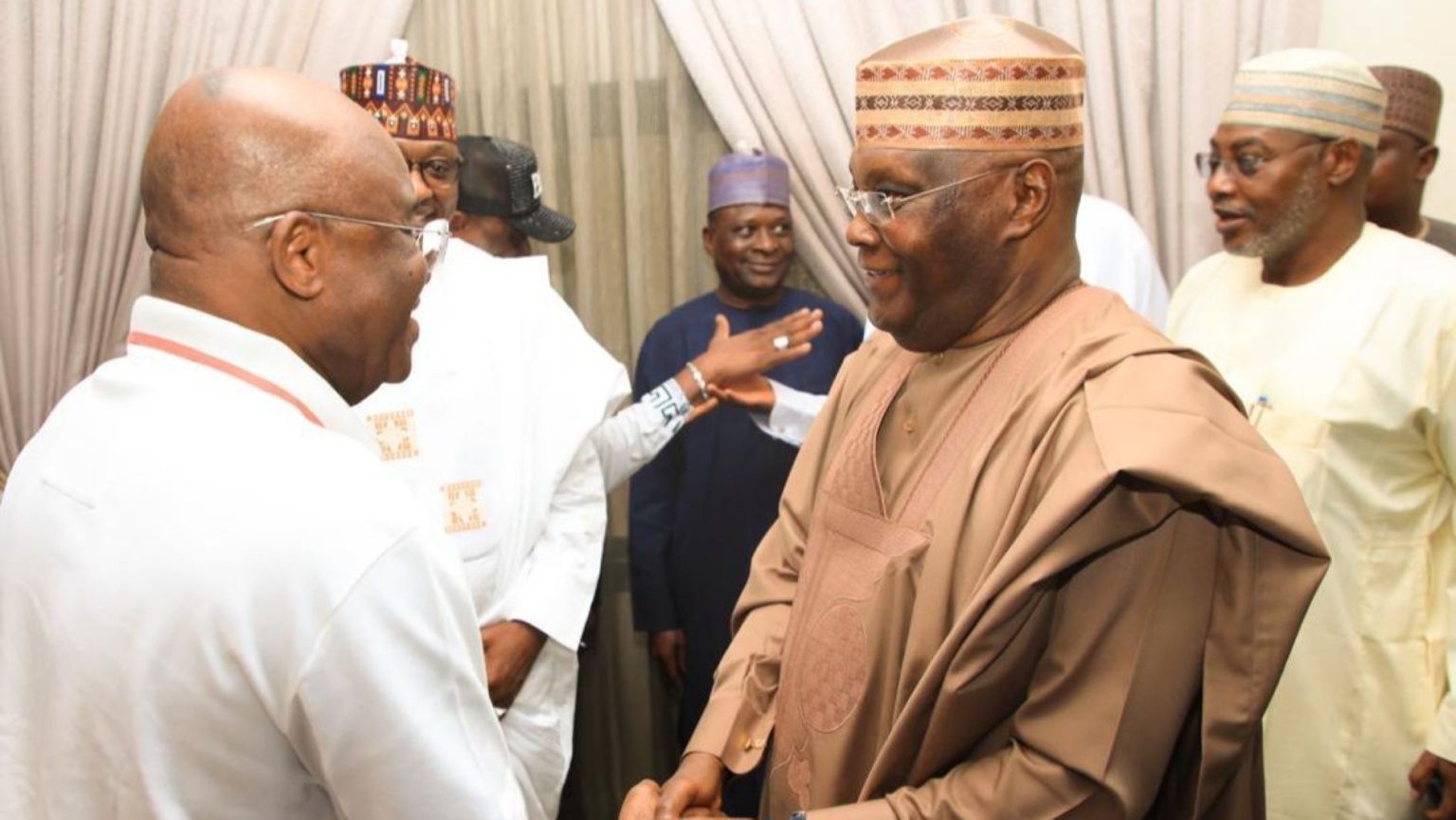
The African Democratic Congress (ADC) has reopened the possibility of rebuilding a broad opposition coalition ahead of the 2027 presidential election, insisting that a united opposition remains the strongest political vehicle for challenging President Bola Tinubu and the ruling All Progressives Congress (APC).
The development signals that despite setbacks and the withdrawal of key political figures from the earlier coalition arrangement, the opposition camp may not have abandoned efforts to forge a common platform for the 2027 contest.
ADC National Publicity Secretary, Bolaji Abdullahi, disclosed this while speaking on the party’s preparations for the 2027 elections and other national issues.

Abdullahi said the ADC remained convinced that fragmented opposition parties would struggle to defeat the governing APC, making the coalition project too important to be abandoned.
“We still have not given up the possibility. Don’t forget that we started this coalition building. And we still believe that the window has not closed for the possibility of building a coalition ahead of 2027 because we believe that the opposition stands a better chance if we are all working together,” he said.
His position comes despite the exit of Peter Obi and Rabiu Musa Kwankwaso from the earlier coalition arrangement, creating uncertainty over the shape and viability of the opposition alliance ahead of the presidential poll.
The ADC spokesman’s comments suggest that the party is keeping the door open for further negotiations with opposition forces and political interests willing to participate in a common effort to challenge the APC.
While the opposition weighs another attempt at consolidation, the ruling party is already building its case for Tinubu’s re-election.
The Speaker of the House of Representatives, Abbas Tajudeen, yesterday urged supporters of the President to intensify grassroots mobilisation for his second-term bid.
Speaking in Abuja while receiving the PBAT Door-to-Door Movement, Abbas argued that voting for another presidential candidate after the Tinubu administration would amount to reversing the policies and programmes already initiated by the government.

He said the APC would have little difficulty presenting Tinubu’s record to Nigerians, predicting that the President could secure more than 10 million votes if the re-election campaign was effectively driven by what he described as facts and figures.
According to the Speaker, the campaign would focus on demonstrating the achievements of the Tinubu administration since assuming office in 2023.
Meanwhile, National Chairman of the Peoples Redemption Party (PRP), Hakeem Baba-Ahmed, has offered a sharply different assessment of the administration, accusing northern political leaders of failing to resist what he described as the erosion of the region’s interests under Tinubu.
Speaking on Symfoni TV, Baba-Ahmed alleged that the President was transferring benefits and opportunities traditionally associated with the North to the South-West because northern political leaders had become aligned with his administration.
“Tinubu is taking away what the North owned to the South-West because the North is not resisting,” he said.
He attributed the alleged lack of resistance to the fact that many northern political leaders had joined the President’s political camp.
Baba-Ahmed also cited insecurity in the region, arguing that killings and other security challenges had continued despite the North’s significant representation within the APC.
He noted that of the 32 APC governors, 18 were from the North, while Bauchi State remained the only northern state with a governor outside the ruling party.
The PRP chairman also criticised Tinubu’s handling of concerns raised by Catholic bishops during their meeting with the President at the Presidential Villa, accusing the administration of being disconnected from the realities confronting Nigerians.
The competing narratives highlight the political battle already taking shape ahead of 2027: the opposition is exploring renewed unity to dislodge the APC, while the ruling party is preparing to defend Tinubu’s record and secure his re-election.
With the presidential contest still months away, the struggle over opposition unity, northern political loyalty and the Tinubu administration’s performance is set to become central to the 2027 campaign.